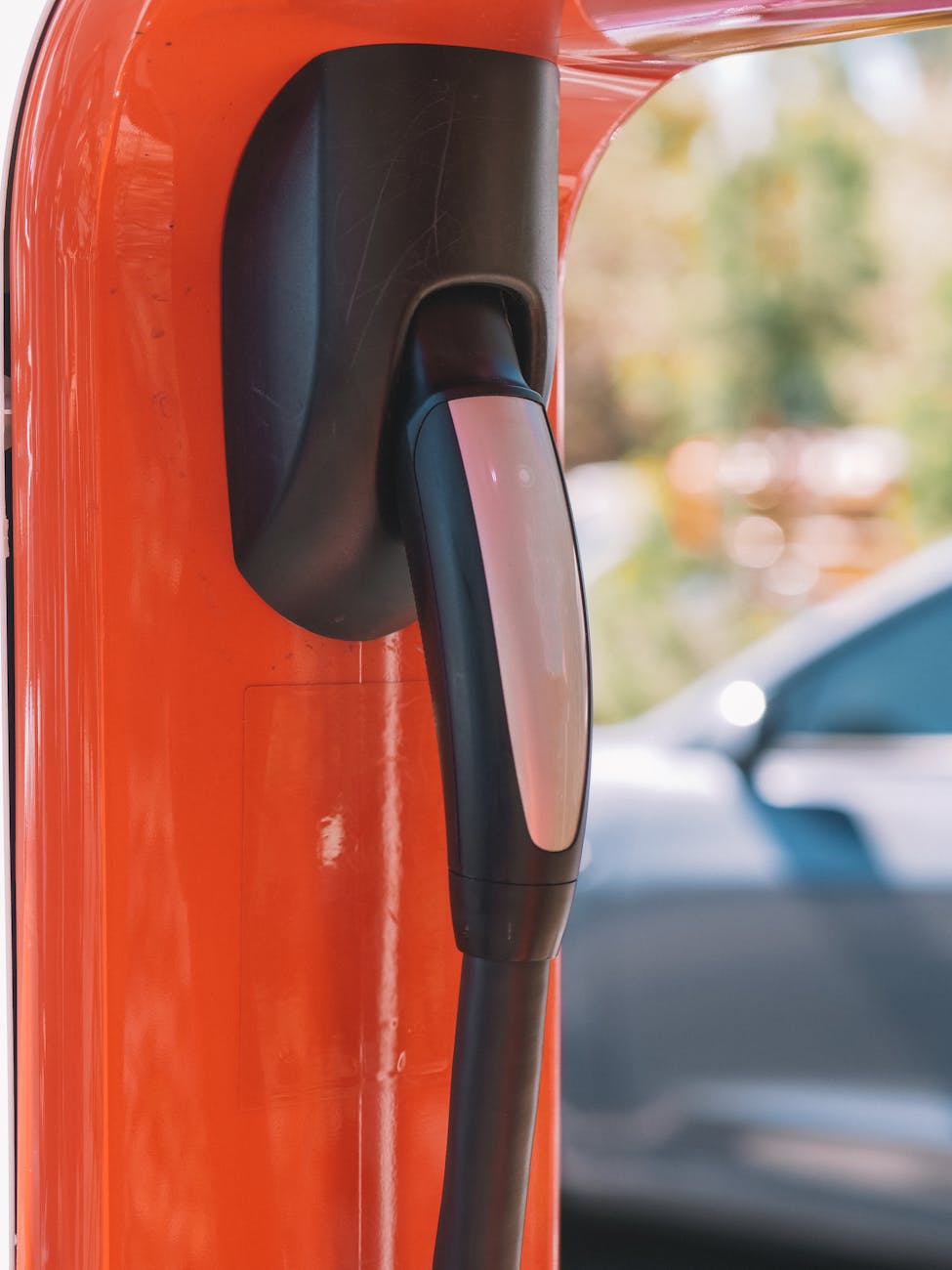
Introduction: Everyone Sees the EV Boom—But Few See the Real Opportunity
Gas prices spike again. News headlines talk about electric vehicles taking over. Your friends are switching to EVs, your city is adding charging stations, and suddenly it feels like everything is changing.
But here’s the question most people quietly wonder:
“Is there actually money in this… or is it just hype?”
Imagine this…
You own a small parking space, a retail store, or even a piece of land. Instead of it just sitting there, it becomes a place where EV drivers stop daily, plug in, and pay you.
No selling. No chasing customers. Just consistent usage.
Here’s the truth most people don’t realize:
The biggest money in the EV revolution isn’t just in cars—it’s in the charging infrastructure.
But is it really profitable in 2026?
Let’s break it down honestly—numbers, risks, and real-world potential—so you can decide if this business is worth your time and money.
Quick Answer: Is EV Charging Profitable in the U.S.?
👉 Yes—EV charging can be profitable, but only if done right.
Average Profit Potential:
- Level 2 chargers: $1,000 – $5,000/month per unit
- DC fast chargers: $5,000 – $20,000+/month per unit
👉 Profit depends heavily on:
- Location
- Traffic (usage)
- Electricity cost
- Pricing strategy
Why EV Charging Is Becoming a Big Business
1. EV Adoption Is Growing Fast
More EVs on the road = more demand for charging.
Every new EV owner needs:
- Home charging
- Public charging
- Fast charging for trips
👉 Demand is rising faster than infrastructure.
2. Charging Is a Recurring Revenue Model
Unlike selling a product once, charging stations generate income daily.
👉 What this means for you:
You’re building a long-term income stream, not a one-time sale.
3. Government Incentives Reduce Costs
The U.S. offers:
- Tax credits
- Rebates
- Utility incentives
👉 These can reduce setup costs by 30%–80%.
Cost Breakdown: What You Need to Invest
Level 2 Charging Setup
- Equipment: $500 – $5,000
- Installation: $2,000 – $10,000
👉 Total: $3,000 – $15,000
DC Fast Charging Setup
- Equipment: $20,000 – $100,000+
- Installation: $10,000 – $50,000
👉 Total: $30,000 – $150,000+
Revenue Potential: Real Numbers (U.S. Example)
Scenario 1: Level 2 Charger
- Users per day: 5–10
- Price per session: $10–$20
👉 Monthly revenue: $1,500 – $6,000
Scenario 2: DC Fast Charger
- Users per day: 15–40
- Price per session: $15–$40
👉 Monthly revenue: $7,000 – $30,000+
Expenses That Affect Profit
1. Electricity Cost
- $0.10 – $0.30 per kWh
2. Network Fees
Using platforms like ChargePoint or EVgo:
- 5% – 15% per transaction
3. Maintenance
- $200 – $1,000/year
4. Location Cost
- Rent or revenue sharing
Real Profit Example
Level 2 Charger
- Monthly revenue: $3,000
- Expenses: $1,500
👉 Profit: ~$1,500/month
DC Fast Charger
- Monthly revenue: $20,000
- Expenses: $10,000
👉 Profit: ~$10,000/month
ROI (Return on Investment)
Level 2
- Break-even: 6–12 months
DC Fast Charging
- Break-even: 1–3 years
What Makes an EV Charging Business Successful?
1. Location (Most Important)
High-traffic areas = more users = more profit
Best locations:
- Shopping centers
- Apartments
- Highways
- Office buildings
2. Charger Type
- Level 2 = lower cost, steady income
- DC fast = higher cost, higher returns
3. Pricing Strategy
Balance is key:
- Too high → fewer users
- Too low → lower profit
4. EV Growth in Your Area
More EV adoption = more demand
Pros & Cons of EV Charging Business
✅ Pros
- Recurring income
- Growing demand
- Government support
- Scalable business
- Low daily management
❌ Cons
- High upfront investment
- Location-dependent
- Profit takes time
- Electricity cost fluctuations
Is It Really Worth It in 2026?
Let’s be real.
This isn’t a “get rich overnight” business.
But here’s the truth most people ignore:
It’s one of the few industries where demand is almost guaranteed to grow.
What this means for you is powerful:
You’re not chasing customers—
Customers are coming to you as EV adoption increases.
Final Verdict: Should You Start an EV Charging Business?
If you want:
- Long-term income
- A future-proof investment
- A scalable business model
👉 Then yes—this is a strong opportunity in 2026.
But only if you:
- Choose the right location
- Control your costs
- Think long-term
Is EV charging a profitable business in 2026?
Yes, it can generate consistent monthly income, especially in high-traffic locations.
How much can you earn from EV charging stations?
You can earn between $1,000 and $10,000+ per month per charger, depending on usage.
How long does it take to make profit?
Most businesses break even within 6 months to 3 years.
Conclusion: The Opportunity Is Real—But Timing Matters
Imagine this…
Five years from now, EVs are everywhere. Charging stations are no longer optional—they’re essential.
The best locations? Already taken.
The question is:
Will you be someone still thinking about it…
please share and follow us for more