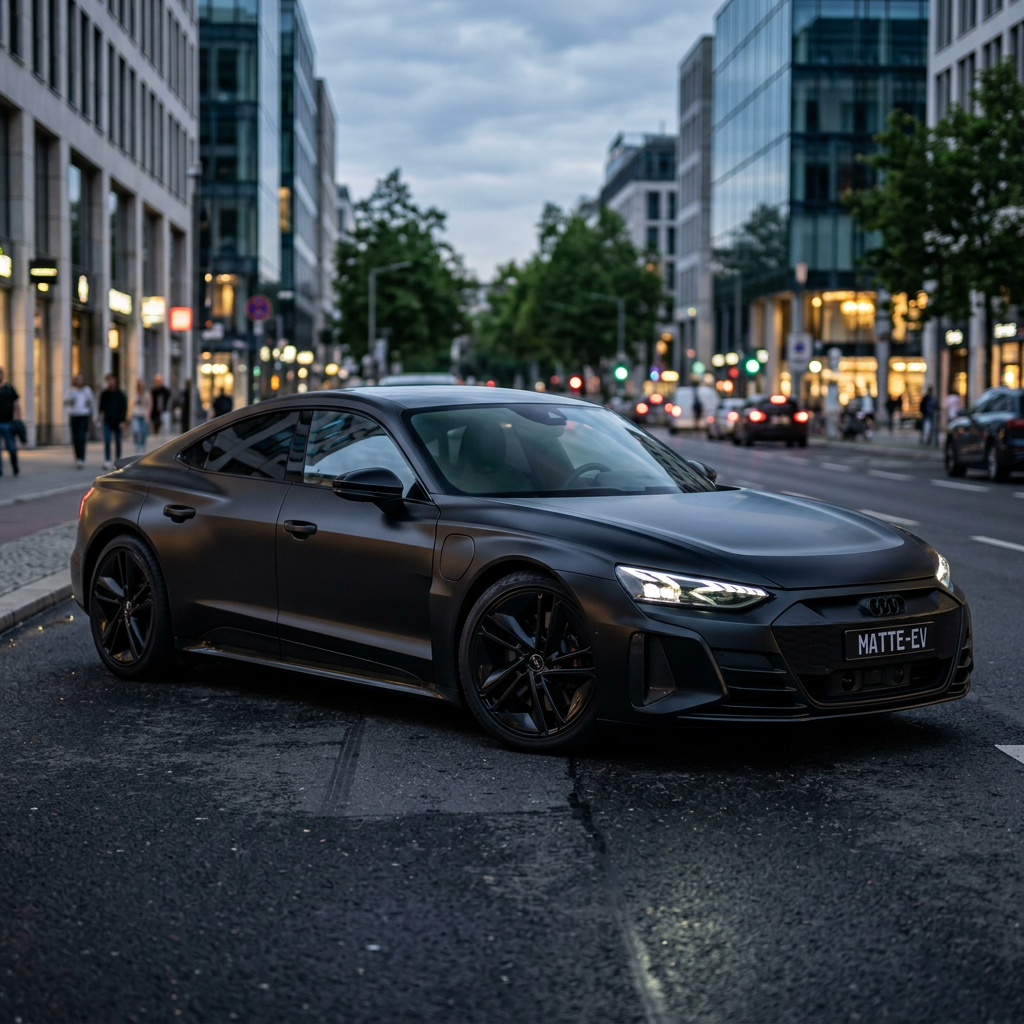
The EV Range Race Just Reached a New Level
For years, electric vehicle buyers have faced the same question before making the switch from gasoline: “What happens if I run out of battery?”
Range anxiety has been one of the biggest barriers preventing some drivers from fully embracing the electric future. Automakers have responded by pushing battery technology further than ever before, and now one company appears ready to make a statement that could redefine expectations for premium EVs.
Chinese EV giant BYD is preparing to launch a full-size luxury electric sedan that boasts something almost unimaginable just a few years ago—more than 1,000 kilometers (621+ miles) of driving range on a single charge.
If the vehicle delivers on its promise, it won’t simply be another luxury EV entering the market. It could become one of the most significant electric vehicle launches of the decade.
As competition intensifies among Tesla, Mercedes-Benz, Lucid, BMW, and emerging EV brands, BYD is stepping into the spotlight with a product designed to challenge assumptions about what an electric sedan can achieve.
And perhaps most importantly, it signals how quickly the global EV landscape is changing.
Why Everyone Is Talking About BYD
Not long ago, many American consumers had barely heard of BYD.
Today, that’s changing rapidly.
Founded in China, BYD has evolved from a battery manufacturer into one of the world’s most influential electric vehicle companies. In recent years, the company has achieved milestones that seemed impossible just a decade ago.
BYD has become one of the world’s largest producers of plug-in vehicles, frequently competing with or surpassing Tesla in global EV sales.
What makes the company especially interesting is its vertical integration strategy.
Unlike many automakers that rely heavily on suppliers, BYD manufactures many of its own key components, including:
Batteries
Electric motors
Power electronics
Semiconductors
Vehicle platforms
This level of control helps the company reduce costs, improve efficiency, and accelerate innovation.
Now BYD appears ready to use those advantages in the premium luxury sedan segment.
A Full-Size Luxury EV Designed to Make Headlines
The upcoming luxury sedan isn’t aimed at budget-conscious buyers.
Instead, BYD is targeting drivers who want:
Exceptional comfort
Advanced technology
Long-distance capability
Premium interior materials
Flagship-level performance
The vehicle is expected to compete with some of the most sophisticated electric sedans currently available.
That includes models often compared in conversations about luxury EV leadership:
Tesla Model S
Lucid Air
Mercedes-Benz EQS
BMW i7
Porsche Taycan
However, BYD’s biggest weapon may not be luxury features alone.
It’s range.
The 1,000 KM Range Claim Explained
Whenever an automaker announces a range figure above 1,000 kilometers, people immediately pay attention.
That’s because crossing the 1,000-kilometer threshold represents a psychological milestone for electric vehicles.
For perspective:
1,000 kilometers equals approximately 621 miles.
Many EVs currently sold in North America offer between 250 and 400 miles of range.
Only a handful of premium EVs exceed 500 miles under specific testing standards.
A luxury sedan capable of traveling more than 600 miles could fundamentally change how consumers think about EV ownership.
Imagine driving from:
Los Angeles to San Francisco without worrying about charging.
New York to Pittsburgh with substantial battery reserve remaining.
Dallas to Houston multiple times before needing a recharge.
While real-world results will vary depending on weather, driving habits, speed, and road conditions, the symbolic impact is enormous.
Consumers often buy based on confidence, not just necessity.
And a vehicle promising over 1,000 kilometers of range sends a very clear message: range anxiety is becoming less relevant.
What Technology Makes This Possible?
Achieving more than 1,000 kilometers of driving range isn’t simply a matter of installing a larger battery.
Automakers must optimize multiple areas simultaneously.
Advanced Battery Technology
BYD has invested heavily in battery innovation.
Its well-known Blade Battery technology has gained attention for safety, durability, and energy efficiency.
The company’s battery expertise gives it a significant advantage because energy density improvements directly influence vehicle range.
A more efficient battery can store more usable energy without dramatically increasing size or weight.
Aerodynamic Efficiency
Range isn’t only about battery capacity.
Air resistance becomes one of the biggest enemies of efficiency at highway speeds.
Luxury EV manufacturers increasingly focus on:
Streamlined body shapes
Active aerodynamic systems
Flush door handles
Optimized wheel designs
Even small aerodynamic improvements can translate into meaningful range gains.
Lightweight Engineering
Reducing vehicle weight remains critical.
Every pound removed from a vehicle contributes to improved efficiency.
Modern EV platforms often incorporate:
Aluminum components
High-strength steel
Composite materials
Advanced structural designs
Intelligent Energy Management
Software now plays a major role in EV efficiency.
Smart energy management systems continuously optimize:
Battery temperature
Motor performance
Regenerative braking
Climate control usage
These improvements may sound minor individually, but together they can significantly extend driving range.
Luxury Buyers Want More Than Range
While the 1,000-kilometer headline grabs attention, luxury customers expect far more than a large battery.
The premium EV market has evolved.
Consumers now demand an experience.
Sophisticated Interior Design
Modern luxury buyers increasingly prioritize comfort and technology over traditional engine prestige.
Expected premium features include:
High-quality leather alternatives
Large digital displays
Ambient lighting
Advanced sound systems
Executive rear-seat accommodations
Advanced Driver Assistance
Luxury EV shoppers increasingly expect intelligent driving technologies.
Potential features may include:
Adaptive cruise control
Highway assist systems
Automated parking functions
Enhanced safety monitoring
AI-powered vehicle intelligence
Performance Expectations
Luxury no longer means sacrificing speed.
Electric drivetrains deliver instant torque, creating acceleration levels that once belonged exclusively to supercars.
Even large luxury sedans can now offer breathtaking performance while remaining quiet and comfortable.
Why This Launch Matters for the Global EV Industry
The significance of this vehicle extends beyond BYD itself.
It reflects broader trends shaping the future of transportation.
EV Competition Is Accelerating
For consumers, increased competition is good news.
When manufacturers compete aggressively, buyers benefit through:
Better technology
Lower prices
Faster innovation
Improved quality
The luxury EV segment has become one of the industry’s most competitive battlegrounds.
Battery Innovation Is Moving Faster Than Expected
Only a few years ago, a 300-mile EV was considered exceptional.
Today, manufacturers are discussing vehicles capable of exceeding 600 miles.
This rapid pace of innovation suggests battery technology may continue improving throughout the decade.
Global Brands Are Becoming More Influential
The automotive industry is becoming increasingly global.
Consumers are paying less attention to where a vehicle originates and more attention to what it offers.
Performance, quality, technology, and value now drive purchasing decisions more than ever.
Could This Challenge Tesla’s Dominance?
Tesla remains one of the most recognizable names in the electric vehicle market.
However, competition is stronger than ever.
BYD’s upcoming luxury sedan highlights how the EV landscape is evolving.
Tesla’s success helped establish modern electric vehicles as desirable products rather than niche alternatives.
Now competitors are building upon that foundation.
The luxury EV customer of 2026 has more choices than ever before.
Brands are differentiating themselves through:
Longer range
Faster charging
Better interiors
Unique software ecosystems
Competitive pricing
Rather than one company dominating every category, the future EV market may become increasingly diversified.
Potential Challenges BYD Still Faces
Despite impressive technology, success isn’t guaranteed.
Several hurdles remain.
Brand Recognition in the United States
Many American consumers are still unfamiliar with BYD compared to Tesla, BMW, Mercedes-Benz, or Ford.
Building trust takes time.
Regulatory and Market Conditions
Trade policies, tariffs, and certification requirements can influence market entry strategies.
Global automakers must navigate complex regulatory environments.
Consumer Perception
Luxury vehicle buyers often value heritage and prestige.
Convincing traditional luxury customers to embrace a newer brand requires exceptional execution.
What Consumers Really Want From Future EVs
Interestingly, surveys increasingly show that buyers aren’t asking for just one thing.
They want a combination of:
Long range
Fast charging
Affordable ownership costs
Advanced technology
Reliability
Safety
Luxury comfort
The upcoming BYD sedan appears designed to address several of these priorities simultaneously.
If successful, it could become a blueprint for future premium electric vehicles.
What This Means for American EV Buyers
Even if this specific model doesn’t immediately reach every market, its impact could still be significant.
Competition drives innovation.
When one automaker raises expectations, competitors respond.
That means future EV buyers may benefit from:
Better batteries
Longer driving range
Faster charging networks
Improved software
More affordable premium vehicles
In many ways, consumers become the biggest winners.
Looking Ahead: The Future of Long-Range Electric Vehicles
The next phase of EV development won’t focus solely on replacing gasoline vehicles.
It will focus on surpassing them.
Automakers are now competing to create electric vehicles that are:
More convenient
More efficient
More intelligent
More comfortable
More desirable
A luxury sedan capable of exceeding 1,000 kilometers of range represents a glimpse into that future.
Whether BYD becomes the dominant player or simply accelerates industry-wide innovation, the message is clear.
Electric vehicles are evolving faster than many predicted.
And the gap between today’s EVs and tomorrow’s EVs is shrinking rapidly.
Final Thoughts
The announcement of a full-size luxury electric sedan with over 1,000 kilometers of range isn’t just another EV headline.
It’s a symbol of how quickly the automotive industry is transforming.
A few years ago, such numbers sounded unrealistic. Today, they are becoming part of serious product discussions among major automakers.
For consumers, that’s exciting.
For competitors, it’s a challenge.
And for the EV industry as a whole, it’s another reminder that the future of transportation is arriving faster than expected.
Whether you’re a dedicated EV enthusiast, a technology lover, or someone considering your first electric vehicle, one thing is becoming increasingly obvious: the era of compromise is fading.
Long-range electric luxury is no longer a distant dream.
It’s becoming reality.
Frequently Asked Questions
What is the claimed range of BYD’s upcoming luxury electric sedan?
BYD’s upcoming flagship electric sedan is expected to offer more than 1,000 kilometers (approximately 621 miles) of driving range under applicable testing standards.
Which vehicles could compete with BYD’s luxury electric sedan?
Potential competitors include the Tesla Model S, Lucid Air, Mercedes-Benz EQS, BMW i7, and other premium electric luxury sedans.