Introduction: The One Question Every EV Owner Eventually Asks
You’ve made the switch—or you’re seriously thinking about it. No more gas stations, no more unpredictable fuel prices. It feels like a smarter, cleaner way to drive.
But then a new question hits you:
“Where am I actually going to charge my car… and how easy will it be?”
Imagine this…
You’re on a road trip. Battery is running low. You pull into a charging station—only to find it’s full, slow, or not even compatible with your car.
That moment? That’s what scares a lot of people about EVs.
Here’s the truth most people don’t realize:
Your EV experience depends just as much on the charging network as it does on the car itself.
And in the U.S., not all charging networks are created equal.
Let’s break down the top EV charging networks in the U.S., compare Tesla Supercharger vs others, and help you choose what actually works for your lifestyle.
Quick Answer: Which EV Charging Network Is Best?
If you want the short version:
- Best overall experience: Tesla Supercharger
- Best for non-Tesla drivers: ChargePoint
- Best for fast charging expansion: Electrify America
- Best flexible business & public use: Blink Charging
👉 What this means for you is simple:
Your “best” network depends on your car, location, and how you drive.
Why EV Charging Networks Matter More Than You Think
Charging networks are not just about plugging in—they define:
- How fast you charge
- How easy it is to find stations
- How reliable your trips are
- How much you pay
👉 In simple terms:
They control your EV lifestyle.
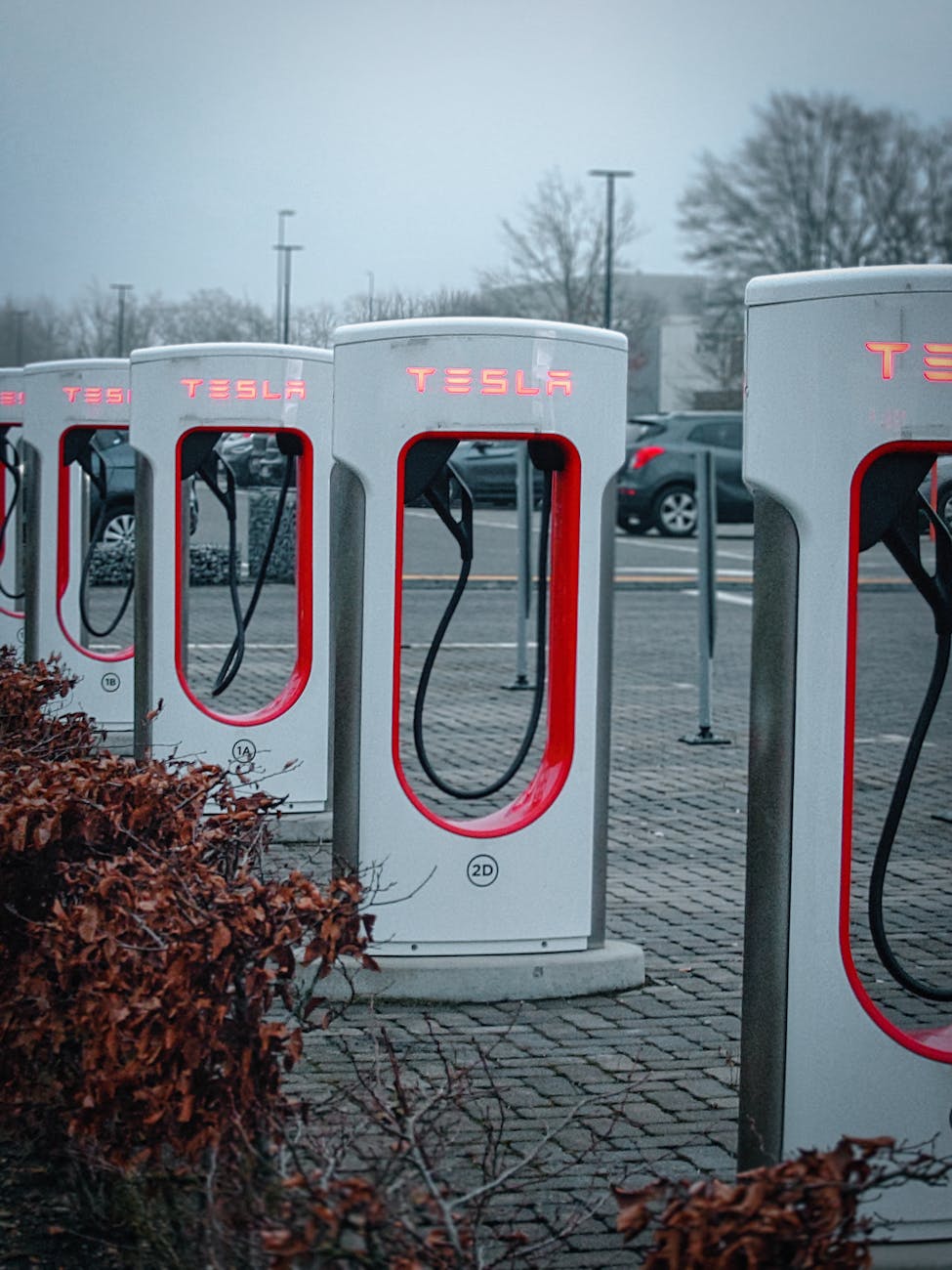
1. Tesla Supercharger – The Gold Standard
What Makes It Different?
Tesla Supercharger is widely considered the most reliable and seamless charging network in the U.S.
Key Features:
- Ultra-fast charging (15–30 minutes)
- Easy navigation through Tesla app
- Plug-and-charge simplicity
Real-World Experience
Imagine pulling into a station, plugging in, and walking away—no apps, no confusion, no waiting.
That’s the Tesla experience.
Pros
- Fastest and most reliable
- Large nationwide network
- Seamless integration with Tesla vehicles
Cons
- Mostly designed for Tesla vehicles
- Limited access for non-Tesla drivers (though expanding)
2. ChargePoint – The Most Flexible Network
What Makes It Unique?
ChargePoint is one of the largest networks, with chargers everywhere—from malls to offices.
Key Features:
- Massive network coverage
- Level 2 + DC fast charging
- User-friendly app
Real-World Example
You go shopping, park your car, plug in—and come back to a charged vehicle.
👉 Charging fits into your lifestyle, not the other way around.
Pros
- Widely available
- Works with most EVs
- Flexible pricing
Cons
- Charging speeds vary
- Reliability depends on location
3. Electrify America – Fast Charging Powerhouse
What Makes It Stand Out?
Electrify America focuses on high-speed DC fast charging.
Key Features:
- Ultra-fast charging (similar to Tesla)
- Strong highway presence
- Growing network
Real-World Scenario
You’re on a long drive. You stop for 20–30 minutes, grab coffee, and your car is ready to go.
Pros
- Fast charging speeds
- Great for road trips
- Expanding rapidly
Cons
- App/payment issues reported sometimes
- Station reliability can vary
4. Blink Charging – Business-Friendly Network
What Makes It Different?
Blink Charging focuses on commercial and public charging solutions.
Key Features:
- Flexible ownership models
- Level 2 + DC fast chargers
- Strong presence in urban areas
Pros
- Good for businesses
- Multiple pricing models
- Growing infrastructure
Cons
- Smaller network compared to others
- Not always the fastest option
Side-by-Side Comparison
| Feature | Tesla Supercharger | ChargePoint | Electrify America | Blink Charging |
|---|---|---|---|---|
| Speed | Very Fast | Medium–Fast | Very Fast | Medium |
| Coverage | High | Very High | Growing | Moderate |
| Ease of Use | Excellent | Good | Good | Moderate |
| Best For | Tesla owners | All EVs | Road trips | Businesses |
Cost Comparison: What Will You Pay?
Tesla Supercharger
- $0.25 – $0.50 per kWh
ChargePoint
- $0.20 – $0.40 per kWh (varies by location)
Electrify America
- $0.30 – $0.50 per kWh
Blink Charging
- $0.20 – $0.45 per kWh
👉 What this means for you:
Prices are similar—but convenience and speed make the real difference.
Which Network Should You Choose?
If You Own a Tesla
👉 Go with Tesla Supercharger
It’s the easiest and most reliable option.
If You Own a Non-Tesla EV
👉 Use a mix of:
- ChargePoint (daily use)
- Electrify America (long trips)
If You Run a Business
👉 Consider Blink or ChargePoint for flexibility and partnerships.
Pros & Cons of EV Charging Networks
✅ Pros
- Convenient charging options
- Growing infrastructure
- Multiple choices for users
- Faster charging technology
❌ Cons
- Not all stations are reliable
- Charging speed varies
- App/payment systems can be confusing
Is Tesla Still the Best?
Let’s be honest.
Right now, Tesla still leads in:
- Reliability
- Ease of use
- Network quality
But here’s the truth most people ignore:
Other networks are catching up fast.
What this means for you is powerful:
You don’t need a Tesla to enjoy a great EV experience anymore.
Final Verdict: Tesla vs Others
If you want the simplest, most seamless experience:
👉 Tesla wins.
If you want flexibility and broader compatibility:
👉 ChargePoint + Electrify America combo is your best bet.
If you’re thinking business:
👉 Blink and ChargePoint offer strong opportunities.
Conclusion: Your Charging Network Defines Your EV Experience
Imagine this…
You’re driving without worrying about range. Charging feels natural—like parking your car.
That’s what the right network gives you.
The question isn’t just “Which network is best?”
It’s “Which one fits your life?”
Because once you choose the right one…
Everything about EV ownership becomes easier.
Which EV charging network is cheapest?
Costs are similar across networks, but ChargePoint often offers competitive pricing depending on location.
Can non-Tesla cars use Tesla Superchargers?
Some locations now support non-Tesla EVs, but availability is still expanding.
Which EV charging network is best in the U.S.?
Tesla Supercharger is considered the best for reliability, while ChargePoint is best for overall accessibility.