Introduction: The Shift You Can Feel—But Can’t Fully See Yet
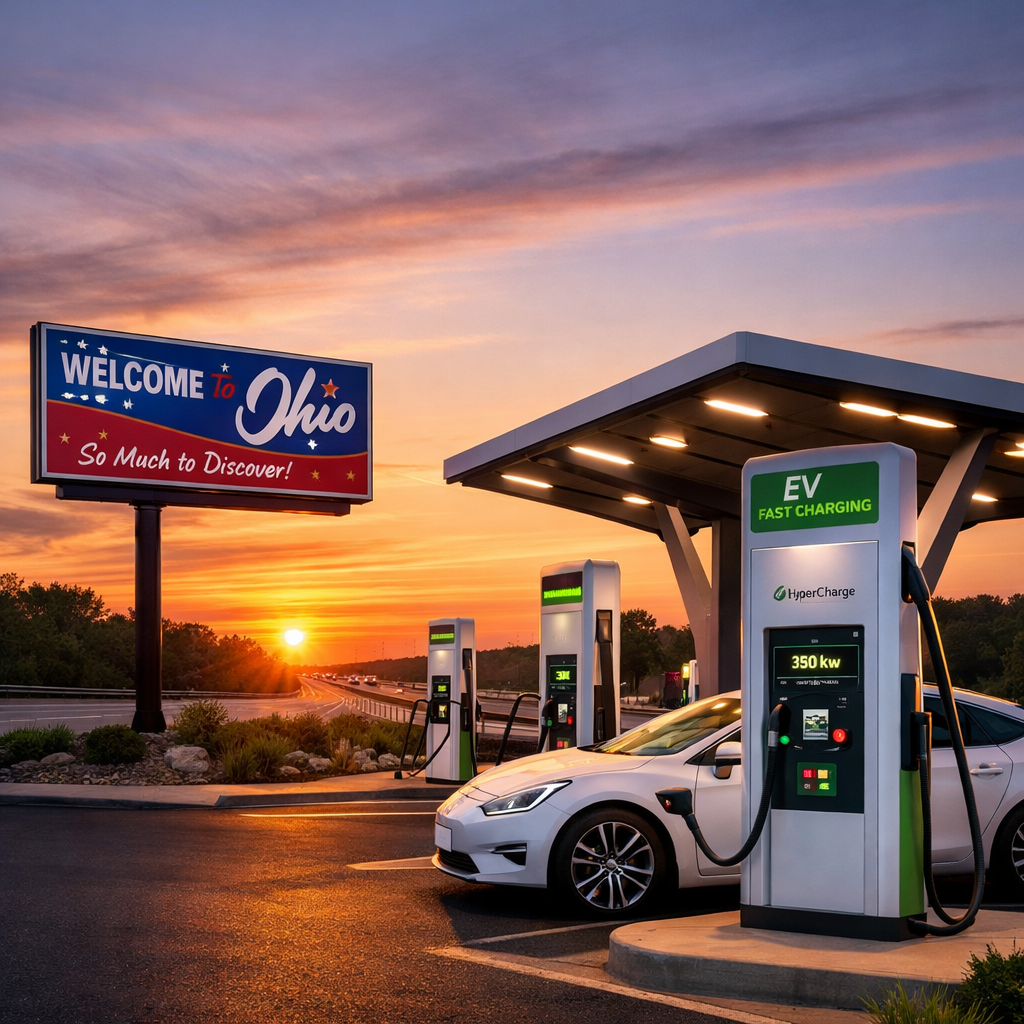
Gas prices rise again, and you feel it instantly. Every trip costs more. Every refill feels like a reminder that something has to change.
At the same time, electric vehicles are everywhere—on highways, in neighborhoods, even in your friend’s driveway.
But there’s one question most people are quietly asking:
“Can the charging infrastructure actually keep up?”
Imagine this…
You’re driving across the country in your EV. No stress. No searching for stations. Charging is as easy and fast as grabbing a coffee.
Sounds ideal, right?
Here’s the truth most people don’t realize:
The future of EVs doesn’t depend on cars—it depends on charging infrastructure.
And between 2026 and 2030, that infrastructure is about to transform faster than most people expect.
Let’s break down what’s coming—and what it means for you.
The Current State of EV Charging in the U.S. (2026 Snapshot)
Right now, the U.S. is in a transition phase.
- EV adoption is rising quickly
- Charging stations are expanding—but unevenly
- Urban areas are better covered than rural regions
Major players like Tesla Supercharger, Electrify America, and ChargePoint are leading the way.
But gaps still exist.
👉 What this means for you:
The system works—but it’s not fully optimized yet.
What Will Change by 2030? (Big Trends)
1. Massive Expansion of Charging Stations
The U.S. government and private companies are investing billions into EV infrastructure.
What to Expect:
- Charging stations in every major highway corridor
- Increased availability in small towns
- Charging integrated into daily life (malls, offices, apartments)
👉 Imagine this…
Charging becomes as common as parking your car.
2. Ultra-Fast Charging Becomes the Standard
Right now, fast charging takes 20–40 minutes.
By 2030?
- Charging times could drop to 10–15 minutes
- Technology improvements will reduce waiting time dramatically
👉 What this means for you is simple:
EV charging will start to feel like gas refueling.
3. Charging at Home Gets Smarter
Home charging will evolve beyond basic setups.
Future Features:
- Smart scheduling (charge when electricity is cheapest)
- Solar integration
- AI-based energy optimization
👉 Imagine waking up every day with a fully charged car—at the lowest possible cost.
4. Vehicle-to-Grid (V2G) Technology
This is one of the biggest upcoming changes.
EVs won’t just consume energy—they’ll give it back.
How It Works:
- Your car stores electricity
- You can sell excess power back to the grid
👉 What this means for you:
Your car could become a source of income, not just a cost.
5. Standardization Across Networks
Right now, charging networks can feel fragmented.
But that’s changing.
- More universal connectors
- Cross-network compatibility
- Easier payment systems
👉 No more confusion about which charger works with your car.
Real-World Example: A Day in 2030
Let’s make this real.
You wake up. Your EV is fully charged—optimized overnight when electricity was cheapest.
You drive to work. The parking lot has built-in chargers.
Later, you take a road trip. You stop for 15 minutes, grab coffee, and your car is ready.
No stress. No planning. No range anxiety.
👉 That’s the direction we’re heading.
Cost Trends: Will Charging Get Cheaper?
Current Costs (2026)
- Home charging: $5–$20 per full charge
- Public fast charging: $10–$40
Future Expectations
- Lower electricity costs with smart grids
- More competition → better pricing
- Renewable energy integration
👉 What this means for you:
Charging will likely become cheaper and more efficient over time.
Business Opportunities in EV Charging Infrastructure
This isn’t just about consumers—it’s a massive business opportunity.
Key Opportunities:
- Charging station ownership
- EV charging franchises
- Battery swapping models
- Software & energy management
👉 Example:
A small business owner installs chargers and earns recurring income daily.
Challenges That Still Need to Be Solved
Let’s be honest—not everything is perfect.
❌ Current & Future Challenges:
- Grid capacity limitations
- Rural infrastructure gaps
- High upfront costs
- Maintenance and reliability issues
But Here’s the Reality
These challenges are being actively solved through:
- Government investment
- Private innovation
- Technological advancement
Pros & Cons of Future EV Infrastructure
✅ Pros
- Faster charging
- More locations
- Lower costs over time
- Cleaner energy use
- Better user experience
❌ Cons
- Initial expansion costs
- Infrastructure lag in some areas
- Technology transition period
Is the Future of EV Charging Worth Believing In?
Let’s address the real doubt.
Some people still think:
- “It’s not ready yet”
- “Charging is too slow”
- “Infrastructure isn’t enough”
Here’s the truth most people ignore:
We’re not waiting for the future—we’re already building it.
What this means for you is powerful:
If you understand where things are going, you can:
- Make smarter buying decisions
- Invest early
- Stay ahead of the curve
Final Verdict: What Should You Do Now?
If you’re considering:
- Buying an EV
- Starting an EV-related business
- Investing in this space
👉 The answer is clear:
The infrastructure is improving—and it’s not slowing down.
FAQs (People Also Ask)
1. Will EV charging infrastructure improve by 2030?
Yes, the U.S. is investing heavily, and charging will become faster, more accessible, and more reliable.
2. How fast will EV charging be in the future?
Charging times could drop to 10–15 minutes for significant battery levels.
3. Is EV charging infrastructure enough in the U.S. today?
It’s improving, but still expanding—especially in rural areas.
Conclusion: You’re Watching a System Being Built in Real Time
Imagine this…
Five years from now, charging your EV feels as normal as charging your phone. No stress. No planning. Just part of your daily life.
That future isn’t far away.
The question is:
Will you wait until everything is perfect…
Or move forward while the opportunity is still growing?
Because right now, between 2026 and 2030, you’re not late.
You’re early enough to benefit from one of the biggest shifts in transportation history.