Introduction
According to ongoing situation yes its a smart financial move to install home ev chargers.
Picture this: it’s a cold Monday morning. You’re already running late, your coffee’s getting cold, and your gas tank is nearly empty—again. You stop at the gas station, watch the numbers climb past $60… $70… $80… and think, “There has to be a smarter way.”
If you’ve been considering switching to an electric vehicle (EV), you’re not alone. With rising fuel prices, increasing cost of living, and a growing push toward clean energy in the United States, more Americans are asking a crucial question:
Is installing a home EV charger actually worth it?
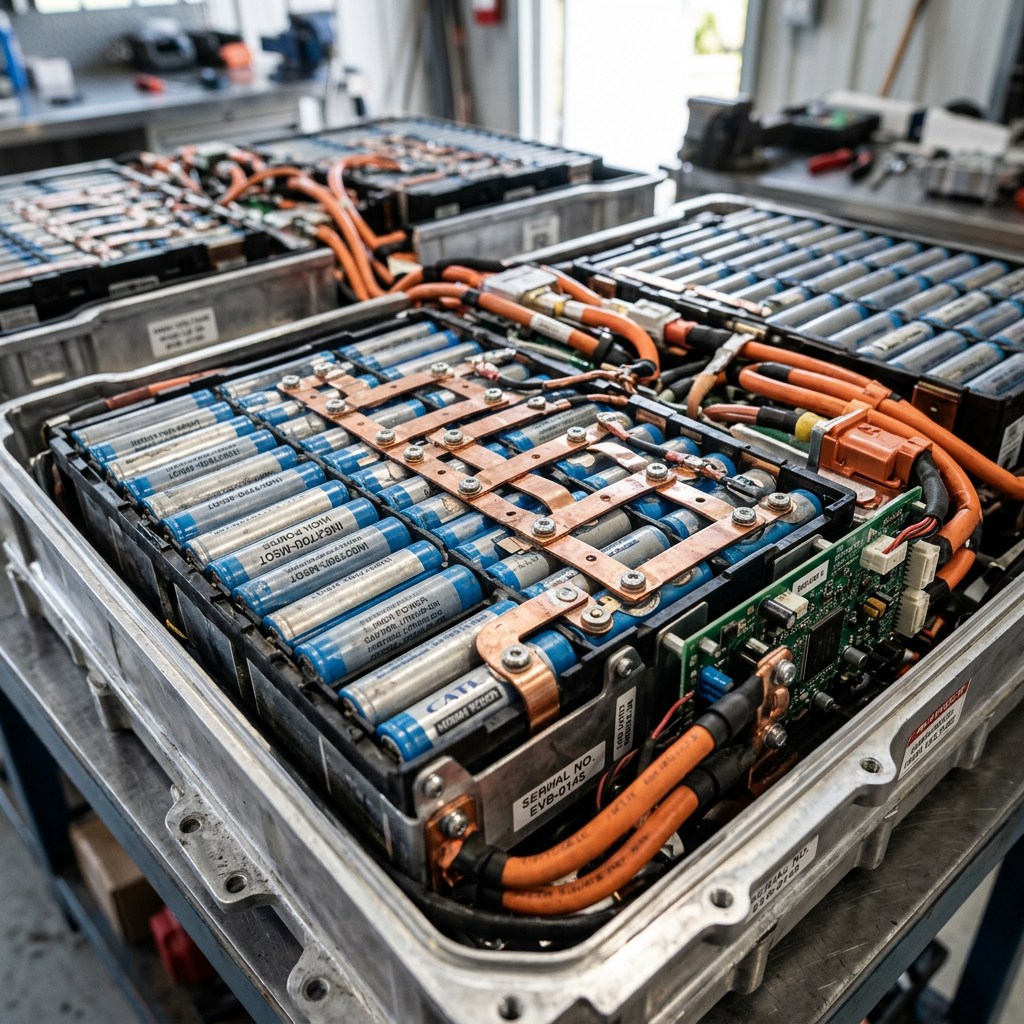
At first glance, it might seem like a luxury upgrade. But dig deeper, and it could be one of the smartest financial and lifestyle decisions you make in 2026.
Let’s break it down—real costs, installation process, long-term savings, and whether it truly pays off.
What Is a Home EV Charger?
Before we dive into numbers, let’s simplify things.
A home EV charger is a device installed in your garage or driveway that allows you to charge your electric car at home—just like charging your phone overnight.
Types of EV Chargers
Level 1 Charger (Basic Option)
- Uses standard 120V outlet
- No installation required
- Very slow charging (3–5 miles per hour)
Level 2 Charger (Most Popular in the U.S.)
- Uses 240V outlet (like a dryer)
- Requires professional installation
- Charges 20–40 miles per hour
👉 Bottom line: If you want convenience and real savings, Level 2 is the “smart choice.”
How Much Does It Cost to Install a Home EV Charger?
Let’s talk numbers—the part most people care about.
Upfront Costs Breakdown (U.S. Average)
| Item | Estimated Cost |
|---|---|
| Level 2 Charger Unit | $400 – $800 |
| Installation (Electrician) | $500 – $2,000 |
| Electrical Panel Upgrade (if needed) | $1,000 – $3,000 |
| Permits & Inspection | $100 – $300 |
Total Cost Range:
👉 $900 to $3,500+
That’s not cheap—but here’s where it gets interesting.
Hidden Savings: Tax Credits & Rebates (U.S.)
Many Americans don’t realize this:
Federal Tax Credit
- Covers 30% of installation cost
- Up to $1,000 back
State & Utility Rebates
Depending on where you live:
- California: Up to $1,500 rebates
- New York: Charger incentives + reduced electricity rates
- Texas: Utility discounts for EV owners
👉 These incentives can reduce your real cost dramatically.
Charging at Home vs Public Charging: Which Saves More?
Let’s compare real-life scenarios.
Public Charging Costs (U.S.)
- Fast charging stations: $0.30 – $0.60 per kWh
- Full charge: $15 – $30
- Monthly cost: $200 – $400 (depending on driving)
Home Charging Costs
- Average electricity rate: $0.12 – $0.18 per kWh
- Full charge: $8 – $15
- Monthly cost: $80 – $150
Annual Savings:
👉 $1,000 – $2,500 saved per year
Yes, you read that right.
Real-Life Example: Jake from Texas
Jake, a 32-year-old remote worker, switched from a gas SUV to an EV in 2025.
Before:
- Gas: $250/month
- Time wasted at gas stations
After installing home charger:
- Electricity: $110/month
- Charging overnight while sleeping
👉 Savings: $140/month = $1,680/year
His charger paid for itself in less than 2 years.
The Convenience Factor (This Is Huge)
Money matters—but convenience is where EV chargers truly shine.
What You Gain:
- No more gas station stops
- Wake up to a fully charged car
- Charge during off-peak (cheaper rates)
- Less stress during busy days
It’s not just about saving money—it’s about saving time and mental energy.
Are There Any Downsides?
Let’s keep it real. It’s not perfect.
1. High Upfront Cost
Yes, installation can feel expensive initially.
2. Older Homes May Need Upgrades
If your electrical panel is outdated, costs can increase.
3. Renters Face Limitations
If you don’t own your home, installation may not be possible.
How Long Does It Take to Break Even?
Let’s do simple math.
- Average installation cost (after incentives): $1,500
- Average yearly savings: $1,200
👉 Break-even time: 1 to 2 years
After that, it’s pure savings.
Who Should Definitely Install a Home EV Charger?
You should install one if:
- You drive daily (commute or work trips)
- You plan to keep your EV for 3+ years
- You own your home
- You want long-term savings
You may skip it if:
- You rarely drive
- You rely on workplace charging
- You live in an apartment
Smart Tips Before Installing
1. Check Your Electrical Panel
Avoid surprise costs by getting it inspected first.
2. Choose a Trusted Electrician
Safety matters—don’t go cheap here.
3. Compare Charger Brands
Look for:
- Smart app features
- Energy tracking
- Scheduling options
4. Charge During Off-Peak Hours
Some U.S. utilities offer lower nighttime rates—huge savings.
Long-Term Financial Benefits
Here’s what most people underestimate:
1. Increased Home Value
Homes with EV chargers are becoming more attractive in the U.S. market.
2. Lower Transportation Costs
Over 5 years:
- Gas car: $12,000–$18,000 fuel cost
- EV with home charging: $4,000–$7,000
👉 Savings: $8,000+
3. Protection from Gas Price Spikes
Gas prices are unpredictable—but electricity is more stable.
Emotional Reality: Why This Decision Matters
Think about your daily routine.
Less stress.
More control over your expenses.
No more watching gas prices rise every week.
Installing a home EV charger isn’t just a financial decision—it’s a lifestyle upgrade.
It gives you control in a world where costs keep rising.
Conclusion: Is It Worth It?
Yes—if you’re serious about saving money and upgrading your lifestyle.
A home EV charger:
- Pays for itself in 1–2 years
- Saves thousands over time
- Adds unmatched convenience
It’s not just about driving electric—it’s about living smarter.
If you’re already considering an EV, installing a home charger isn’t an extra expense…
👉 It’s the best investment you can make in your daily life.
How much does it cost to install a home EV charger in the U.S.?
Most homeowners spend between $900 and $3,500, depending on installation complexity. Tax credits can reduce this significantly.
Is charging an EV at home cheaper than public charging?
Yes. Home charging is typically 50–70% cheaper, saving you up to $2,000 per year.
How long does it take to recover the installation cost?
Most people break even in 1–2 years, depending on driving habits and electricity rates.
please email us to know more about ev vehicles