Introduction
Here we will let you know about difference between electric and hybrid cars.
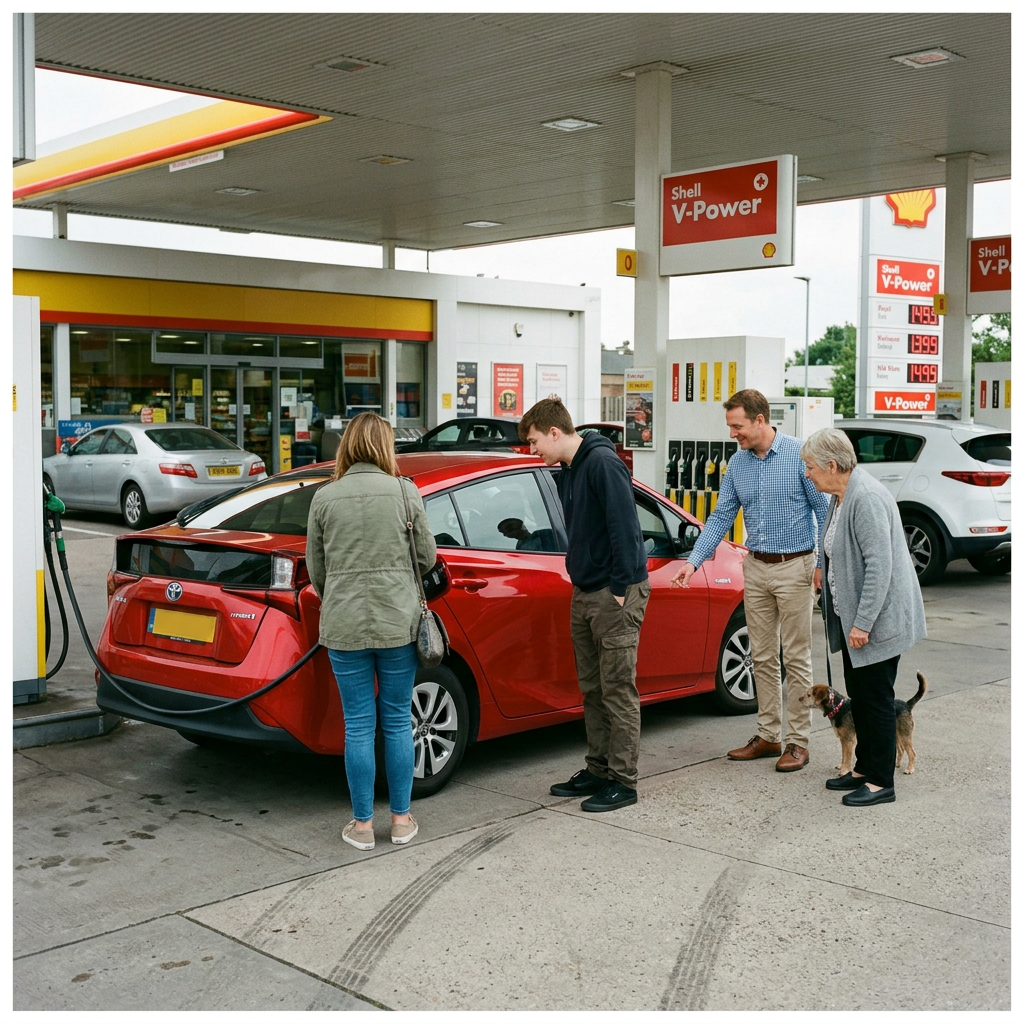
Picture this: You’re standing at a gas station in California or Texas, watching the numbers climb past $60… $70… maybe even $90 to fill your tank. You sigh, swipe your card, and think, “There has to be a better way.”
You’re not alone.
Across the United States, rising fuel prices, increasing insurance costs, and a higher cost of living are pushing people to rethink how they drive. Whether you’re commuting to work, doing Uber on the side, or planning road trips, your car is one of your biggest monthly expenses.
That’s where the big question comes in:
Should you switch to an electric car (EV) or go for a hybrid?
Both promise savings. Both claim to be the “smart choice.” But when it comes to real money—your money—things aren’t always that simple.
In this guide, we’ll break it all down:
- Real cost comparisons (purchase, fuel, maintenance)
- Practical daily use in the U.S.
- Hidden expenses nobody talks about
- And finally… which one actually saves you more in 2026
Let’s get into it.
Understanding the Basics: Electric vs Hybrid Cars
Before we talk about money, let’s quickly clarify what you’re choosing between.
What Is an Electric Vehicle (EV)?
An electric car runs entirely on electricity. No gas. No engine oil. Just a battery and motor.
Examples:
- Tesla Model 3
- Ford Mustang Mach-E
- Chevrolet Bolt
You charge it at home or public charging stations.
What Is a Hybrid Car?
A hybrid uses both:
- A gasoline engine
- An electric motor
It switches between the two automatically to save fuel.
Examples:
- Toyota Prius
- Honda Accord Hybrid
- Hyundai Elantra Hybrid
No need to plug in (unless it’s a plug-in hybrid).
Upfront Cost: Which One Hits Your Wallet Harder?
Electric Cars: Higher Initial Price
EVs are still more expensive upfront.
- Average EV price (U.S. 2026): $40,000–$55,000
- Some premium models: $60,000+
Even with federal tax credits (up to $7,500), you’re still paying more initially.
Hybrid Cars: Budget-Friendly Entry
Hybrids are more affordable.
- Average hybrid price: $25,000–$35,000
- Many options under $30K
Real-Life Example
Let’s say:
- Hybrid sedan: $28,000
- Electric sedan: $42,000
Even after a $7,500 tax credit, EV = ~$34,500
That’s still $6,500 more upfront
👉 Winner (Upfront Cost): Hybrid
Fuel vs Electricity Costs: Where You Really Save
This is where things get interesting.
Gas Costs for Hybrids
Let’s assume:
- Gas price: $3.80/gallon (U.S. average range)
- Hybrid mileage: 50 MPG
Driving 12,000 miles/year:
- Gas needed: 240 gallons
- Annual cost: ~$912
Electricity Costs for EVs
Let’s assume:
- Electricity cost: $0.15/kWh
- EV efficiency: 3–4 miles per kWh
Driving 12,000 miles/year:
- Electricity needed: ~3,500 kWh
- Annual cost: ~$525
Savings Comparison
- Hybrid fuel: ~$912/year
- EV charging: ~$525/year
👉 EV saves about $400 per year
But Wait… Public Charging Costs More
If you rely on fast chargers:
- Cost can rise to $0.30–$0.50/kWh
That can double your charging cost.
👉 Winner (Fuel Savings): EV (if charging at home)
Maintenance Costs: The Silent Money Saver
Electric Cars: Minimal Maintenance
EVs have fewer moving parts:
- No oil changes
- No transmission repairs
- Less brake wear (regenerative braking)
Average maintenance cost:
- $300–$500 per year
Hybrid Cars: Still Needs Maintenance
Hybrids still have:
- Engine oil
- Transmission
- Exhaust system
Average maintenance cost:
- $600–$900 per year
Battery Replacement Concern
- EV battery: $8,000–$15,000 (rare within 8–10 years)
- Hybrid battery: $2,000–$5,000
Most warranties cover 8 years / 100,000 miles.
👉 Winner (Maintenance): EV
Insurance Costs: The Hidden Expense
This is something many buyers overlook.
Electric Cars: Higher Insurance
Why?
- Expensive battery repairs
- Higher vehicle value
- Limited repair shops
Average EV insurance:
- $1,800–$2,500/year
Hybrid Cars: Moderate Insurance
Average hybrid insurance:
- $1,400–$1,900/year
👉 EV can cost $300–$600 more annually
👉 Winner (Insurance): Hybrid
Charging vs Gas Stations: Real-Life Practicality
EV Charging Reality in the U.S.
Pros:
- Charge at home overnight
- No gas station visits
Cons:
- Charging takes time (30 min–8 hours)
- Not all areas have reliable chargers
- Apartment living = challenge
Hybrid Convenience
Pros:
- Fill up in 5 minutes
- No charging stress
- Perfect for long-distance driving
Cons:
- Still dependent on gas prices
👉 Winner (Practicality): Hybrid (especially in 2026)
Depreciation: Which Car Holds Value Better?
EV Depreciation
EVs lose value faster due to:
- Rapid technology upgrades
- Battery concerns
- New models entering market
Average depreciation (5 years):
- 50–60%
Hybrid Depreciation
Hybrids are more stable:
- Proven technology
- High demand
Average depreciation:
- 40–50%
👉 Winner (Resale Value): Hybrid
Tax Credits & Incentives in the U.S.
Electric Vehicles
- Federal tax credit: Up to $7,500
- State incentives (California, New York, etc.): $1,000–$5,000+
Hybrid Vehicles
- Standard hybrids: Usually no federal credit
- Plug-in hybrids: Some incentives available
👉 Winner (Incentives): EV
5-Year Total Cost Comparison (Real Numbers)
Let’s break it down clearly.
Hybrid Car (5 Years)
- Purchase: $28,000
- Fuel: $4,560
- Maintenance: $3,500
- Insurance: $8,000
Total: ~$44,060
Electric Car (5 Years)
- Purchase (after credit): $34,500
- Charging: $2,625
- Maintenance: $2,000
- Insurance: $10,000
Total: ~$49,125
Final 5-Year Difference
- Hybrid saves: ~$5,000
👉 Surprised? Most people are.
When an Electric Car Makes More Financial Sense
An EV becomes the smarter financial choice if:
- You charge at home regularly
- You drive a lot (15,000+ miles/year)
- You qualify for full tax credits
- You plan to keep the car 8–10 years
In these cases, fuel savings can outweigh the higher upfront cost.
When a Hybrid Is the Smarter Money Move
A hybrid wins if:
- You want lower upfront cost
- You live in an apartment or city without charging
- You drive moderate distances
- You prefer low risk and flexibility
For most Americans in 2026, this is the reality.
Emotional Reality: It’s Not Just About Money
Let’s be honest for a moment.
Buying a car isn’t just numbers—it’s peace of mind.
- EVs feel futuristic, clean, and exciting
- Hybrids feel safe, reliable, and practical
If you’ve ever worried about:
- “What if I run out of charge?”
- “What if I can’t find a charger?”
- “What if repair costs explode?”
Then a hybrid quietly removes that stress.
But if you love innovation, saving fuel, and going green, an EV feels like stepping into the future.
Conclusion: So… Which One Saves More Money?
If we’re talking purely about money in 2026:
👉 Hybrid cars are still the better financial choice for most Americans.
They:
- Cost less upfront
- Have lower insurance
- Offer practical convenience
- Hold value better
However…
👉 Electric cars win in the long run—if used correctly.
They:
- Save on fuel
- Reduce maintenance
- Benefit from incentives
Final Takeaway
- Want maximum savings today? → Go Hybrid
- Want long-term efficiency + future tech? → Go Electric
At the end of the day, the smartest choice isn’t what’s trending—it’s what fits your life, your city, and your daily routine.
Because real savings don’t come from hype…
They come from decisions that work for you.
Are electric cars cheaper than hybrids in the U.S.?
Not initially
Which car is better for long-distance driving in the U.S.?
Hybrid cars are better for long trips because they don’t rely on charging infrastructure. You can refuel quickly at any gas station, making them more convenient for road travel.
Do electric cars really save money in the long run?
Yes, but only under the right conditions. If you charge at home, drive frequently, and keep the car for many years, EVs can save thousands in fuel and maintenance compared to gas or hybrid vehicles.
follow us for more informations.