Introduction: The Moment That Hits Every American Driver
It usually starts the same way.
You’re pulling into a gas station after a long day—maybe after work, maybe after dropping the kids off, maybe just running errands. You glance at the price board. $4.19… $4.49… sometimes even higher depending on where you live.
You sigh, grab the pump, and tell yourself: “It is what it is.”
But here’s the truth most people don’t realize in 2026: gas prices are only the tip of the iceberg.
Owning a gas-powered car in America today comes with a long list of hidden costs—costs that quietly drain your bank account month after month, year after year. And when you finally add it all up, the number can feel shocking.
This article isn’t here to scare you. It’s here to open your eyes.
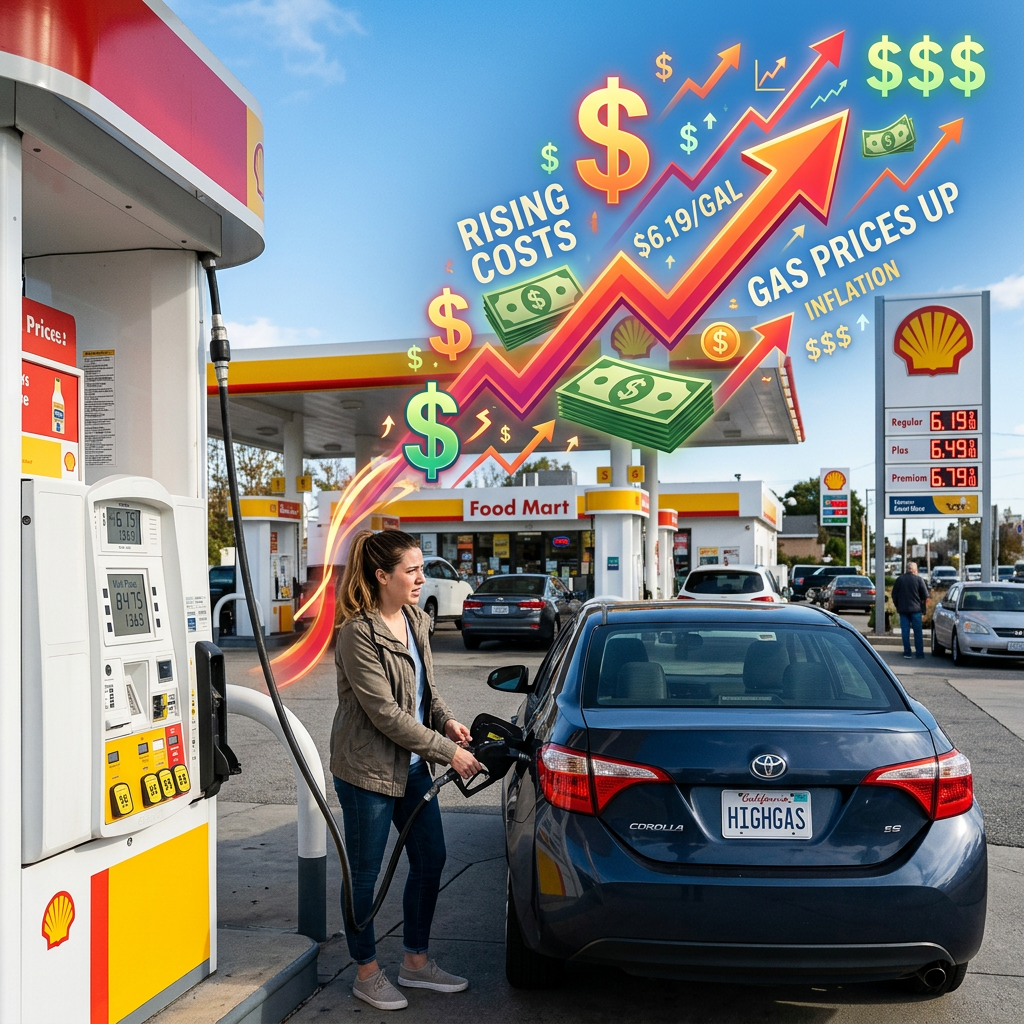
Because once you see the real cost of owning a gas car, you’ll never look at your vehicle the same way again.
The Real Cost of Gas Isn’t Just at the Pump
Fuel Prices Are Still Unpredictable
Gas prices in the U.S. have always been volatile—but in 2026, that unpredictability is even more frustrating.
One week you’re paying $3.80 per gallon. The next, it jumps past $4.50.
For the average American driver:
- Average miles driven per year: 13,500 miles
- Average fuel economy: 25 MPG
- Average gas price (2026 estimate): $4.20/gallon
That means:
Annual fuel cost = ~$2,268
And that’s just for an average car.
If you drive an SUV or truck? You could easily be spending $3,000–$4,500 per year on gas alone.
But again—this is just the beginning.
Maintenance Costs That Quietly Add Up
Oil Changes, Engine Repairs, and Wear & Tear
Gas cars have hundreds of moving parts. That means more things that can break, wear out, or need replacing.
Here’s what most drivers pay annually:
- Oil changes (3–4 times/year): $150–$400
- Brake pads & rotors: $300–$800
- Transmission servicing: $200–$500
- Engine-related repairs: $500–$1,500+
Average yearly maintenance cost: $900–$1,500
Now think about this:
These aren’t luxury upgrades. These are mandatory expenses just to keep your car running.
Miss an oil change? You risk engine damage.
Ignore brake issues? You risk your safety.
It’s a constant cycle of spending just to maintain the status quo.
Depreciation: The Silent Wealth Killer
Your Car Is Losing Value Every Single Day
This is one of the most overlooked costs of owning a gas car.
The moment you drive a new car off the lot, it loses 10–20% of its value instantly.
Within 5 years?
- Most gas cars lose 50–60% of their value
Let’s say you bought a car for $30,000.
After 5 years, it might only be worth $12,000–$15,000.
That’s a loss of up to $18,000.
And here’s the painful part:
You don’t feel this loss daily—but it’s happening silently in the background.
Insurance Costs Are Rising Faster Than You Think
Why Gas Cars Are Becoming More Expensive to Insure
Insurance premiums in the U.S. have been steadily increasing, especially for gas-powered vehicles.
Why?
- Higher repair costs for older engines
- Increased accident rates
- Rising parts and labor costs
Average insurance cost in 2026:
- $1,800–$2,500 per year
For younger drivers (18–25), it can easily exceed $3,000/year.
That’s another major expense most people just accept without questioning.
The Hidden Cost of Time and Stress
Standing at the Pump… Again and Again
Let’s talk about something money can’t fully measure: your time.
- Average fill-up time: 10–15 minutes
- Frequency: once per week
That’s roughly:
10–13 hours per year spent just refueling
Now add:
- Time spent at repair shops
- Time dealing with breakdowns
- Time comparing gas prices
It all adds up.
And then there’s stress.
That low-fuel warning light.
That strange engine noise.
That fear of a sudden repair bill.
These aren’t just inconveniences—they affect your daily peace of mind.
Environmental Costs That Turn Into Financial Costs
Emissions Are No Longer Just an Environmental Issue
Gas cars produce emissions that are increasingly being regulated across the U.S.
What does that mean for you?
- Higher registration fees in some states
- Emissions testing costs
- Potential future taxes or penalties
Some cities are already discussing stricter rules on gas vehicles.
This isn’t just about the environment anymore—it’s about your wallet.
The Opportunity Cost: What You Could Have Done Instead
The Money You’re Losing Could Be Working for You
Let’s break it down:
Average yearly cost of owning a gas car:
- Fuel: $2,500
- Maintenance: $1,200
- Insurance: $2,000
- Depreciation: $3,000
Total: ~$8,700 per year
Now imagine investing even half of that annually.
Over 5 years, that could grow into tens of thousands of dollars.
Instead, that money is being spent just to keep your car on the road.
That’s the real hidden cost: missed opportunities.
Gas Cars vs. Alternatives: The Eye-Opening Comparison
Electric and Hybrid Vehicles Are Changing the Game
While gas cars continue to drain money, alternatives are becoming more attractive.
Electric vehicle (EV) advantages:
- No gas costs
- Lower maintenance
- Tax incentives (in some states)
- Lower cost per mile
Hybrid vehicles:
- Better fuel efficiency
- Reduced fuel expenses
- Lower emissions
Even if the upfront cost is higher, the long-term savings can be significant.
This is why more Americans in 2026 are starting to rethink their choices.
Real-Life Example: Two Drivers, Two Outcomes
Jake vs. Michael
Jake (Gas Car Owner):
- Drives a mid-size SUV
- Annual cost: ~$9,200
- Constant maintenance visits
- Frustrated with gas price spikes
Michael (Hybrid Owner):
- Drives a fuel-efficient hybrid
- Annual cost: ~$5,800
- Fewer maintenance issues
- Less stress about fuel
After 5 years:
- Jake spends: $46,000+
- Michael spends: $29,000+
That’s a difference of $17,000.
Same country. Same roads. Different financial outcomes.
Why Most People Still Don’t Realize These Costs
It Feels Normal—But It’s Not Cheap
The biggest reason these costs go unnoticed?
Because they’re spread out.
- A little gas here
- A repair there
- Insurance once a month
Individually, they don’t seem overwhelming.
But together?
They form a massive financial drain that most people never calculate.
How to Reduce the Hidden Costs (Without Drastic Changes)
Smart Moves You Can Start Today
You don’t have to switch cars overnight. But you can start saving.
Here’s how:
- Drive more efficiently (smooth acceleration, steady speed)
- Keep tires properly inflated
- Avoid unnecessary trips
- Compare insurance providers yearly
- Stay consistent with maintenance to avoid big repairs
Even small changes can save hundreds to thousands per year.
Conclusion: The Truth Most Drivers Ignore
Owning a gas car in America in 2026 isn’t just about filling up your tank.
It’s about:
- Constant maintenance
- Rising insurance costs
- Silent depreciation
- Lost time and peace of mind
- Missed financial opportunities
And when you finally see the full picture, one thing becomes clear:
The real cost of a gas car is far higher than most people ever realize.
This doesn’t mean you need to panic or make a rushed decision.
But it does mean you should be aware.
Because awareness is where smart financial decisions begin.
And in today’s world, making the smart choice isn’t just about convenience—
It’s about protecting your future.
How much does it really cost to own a gas car per year in the U.S.?
On average, owning a gas car in 2026 costs between $8,000–$10,000 per year, including fuel, maintenance, insurance, and depreciation.
What is the biggest hidden cost of owning a gas car?
The biggest hidden cost is depreciation, followed closely by fuel and maintenance. These costs are often overlooked but can total thousands of dollars annually.