Introduction
If you’ve filled up your gas tank lately, you already know the pain. Watching the total climb past $70… $80… even $100—just to keep your car running for a week—feels like a punch to your wallet.
Now imagine this instead: you wake up, unplug your car from your garage, and drive all week for less than $15 in electricity.
That’s not a dream anymore—it’s reality for millions of Americans switching to electric vehicles (EVs).
In 2026, EVs aren’t just about saving the environment—they’re about saving money, reducing stress, and upgrading your lifestyle. With federal tax credits, lower maintenance costs, and rising gas prices, more people across the U.S. are making the switch.
So which electric cars are Americans actually buying?
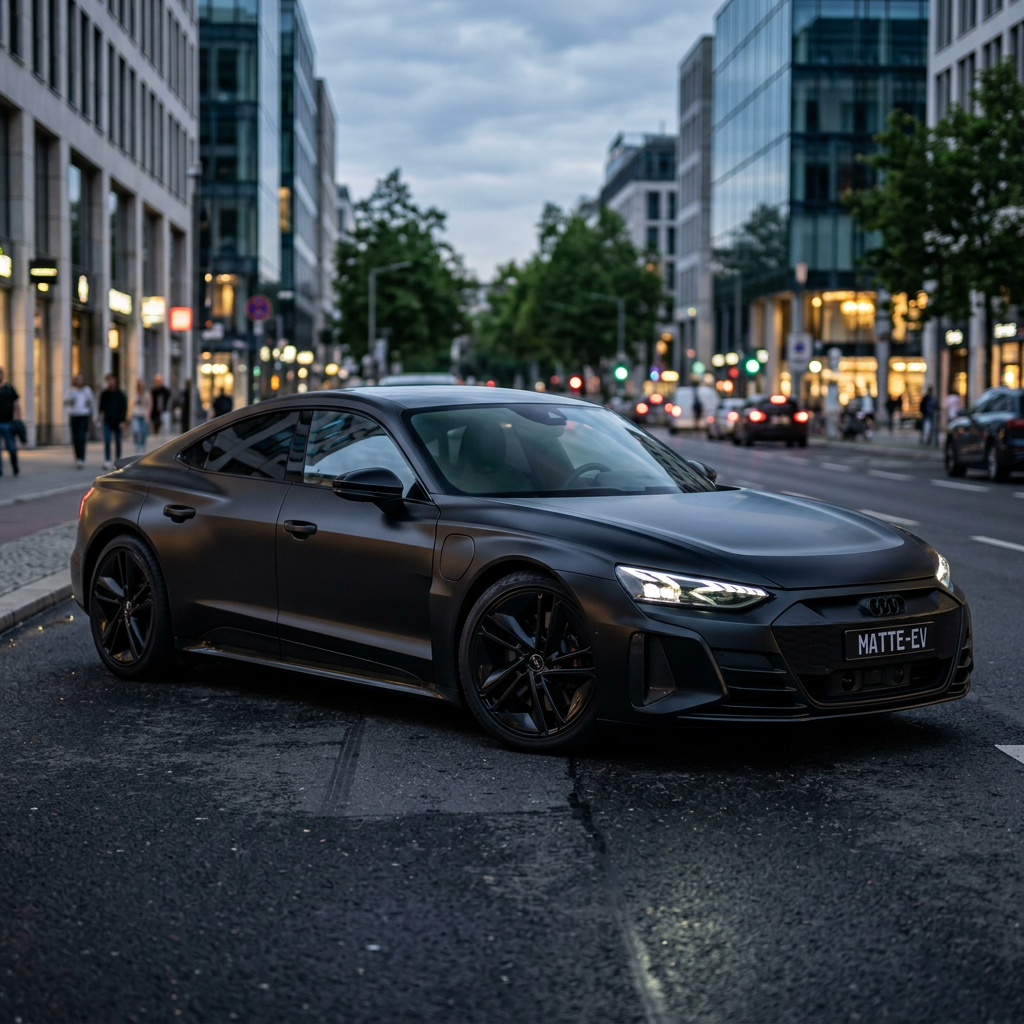
Let’s break down the 10 bestselling EVs of 2026—the models that are dominating U.S. roads and helping drivers make smarter financial decisions.
Why EVs Are Booming in the U.S. Right Now
Before we jump into the list, here’s why EVs are exploding in popularity:
- Gas prices remain unpredictable ($3.50–$5.50 per gallon in many states)
- Federal tax credits up to $7,500
- Lower maintenance costs (no oil changes, fewer moving parts)
- Charging at home is cheaper than gas
- Tech features feel like driving the future
For many Americans aged 18–45, buying an EV isn’t just about transportation—it’s about financial freedom and lifestyle upgrade.
The 10 Bestselling EVs of 2026 in the U.S.
1. Tesla Model Y
The undisputed king of EV sales in America.
The Model Y continues to dominate because it hits the sweet spot: affordability, range, and practicality.
Why it sells so well:
- Range: ~330 miles
- Starting price: ~$44,000
- Access to Tesla Supercharger network
- Minimalist interior + advanced autopilot
Real-life example:
A California commuter driving 15,000 miles/year can save $1,500–$2,000 annually compared to a gas SUV.
2. Tesla Model 3
Still one of the most popular EVs for first-time buyers.
Why Americans love it:
- Lower entry price (~$38,000)
- Sleek design
- High-tech driving experience
Cost advantage:
- Electricity cost per mile: ~$0.04
- Gas car equivalent: ~$0.12–$0.15 per mile
That’s 3x cheaper driving cost.
3. Ford F-150 Lightning
America loves trucks—and now it loves electric trucks too.
Why it’s booming:
- Same rugged feel as traditional F-150
- Can power your home during outages
- Huge tax incentives for businesses
Perfect for:
- Contractors
- Small business owners
- Outdoor lifestyle lovers
4. Chevrolet Bolt EV
One of the most budget-friendly EVs in America.
Why it’s a bestseller:
- Price after incentives: ~$20,000–$25,000
- Range: ~259 miles
- Extremely low running costs
Ideal for:
- Students
- City commuters
- First-time EV buyers
5. Hyundai Ioniq 5
Futuristic design meets practicality.
Why it stands out:
- Ultra-fast charging (10% to 80% in ~18 minutes)
- Spacious interior
- Smooth driving experience
Lifestyle upgrade:
Feels like driving a luxury car—without luxury fuel costs.
6. Kia EV6
The sporty sibling of the Ioniq 5.
Why people choose it:
- Quick acceleration (0–60 in ~4.5 seconds)
- Stylish, aggressive design
- Long range (~310 miles)
Perfect for:
Drivers who want performance + efficiency.
7. Rivian R1T
The adventure truck of the future.
Why it’s trending:
- Built for off-road adventures
- Premium features
- Unique design
Real-world appeal:
Great for camping, road trips, and outdoor enthusiasts.
8. Volkswagen ID.4
A practical, family-friendly EV.
Why it’s popular:
- Comfortable ride
- Simple controls
- Competitive pricing (~$40,000)
Best for:
Families switching from gas SUVs.
9. Nissan Ariya
A quiet, comfortable, and refined EV.
Why buyers love it:
- Premium interior
- Smooth driving experience
- Reliable brand trust
Ideal for:
Daily commuters who want comfort over flash.
10. Chevrolet Equinox EV
One of the newest breakout hits of 2026.
Why it’s skyrocketing:
- Affordable pricing (~$30,000 range)
- Strong range (~300 miles)
- Trusted Chevy brand
Big advantage:
Brings EV ownership into the mainstream middle class.
EV vs Gas Car: Real Cost Comparison (U.S. Perspective)
Let’s break it down in real numbers.
Annual Cost Comparison (Average Driver – 15,000 miles)
| Expense Type | Gas Car | EV |
|---|---|---|
| Fuel/Electricity | $2,200–$3,000 | $500–$800 |
| Maintenance | $800–$1,200 | $300–$500 |
| Total Yearly Cost | $3,000–$4,200 | $800–$1,300 |
👉 Annual Savings: $2,000–$3,000
Over 5 years? That’s up to $15,000 saved.
Hidden Benefits Most Buyers Don’t Think About
1. No More Gas Station Stress
You charge at home. No lines. No price spikes.
2. Lower Maintenance
No oil changes, no engine repairs, fewer breakdowns.
3. Tax Credits & Incentives
- Federal credit: up to $7,500
- State incentives vary (California, New York, Colorado offer more)
4. Higher Resale Value (for top models)
Especially brands like Tesla and Rivian.
Which EV Is Right for You?
Here’s a quick breakdown:
- Budget buyers: Chevrolet Bolt EV, Chevrolet Equinox EV
- Daily commuters: Tesla Model 3, Nissan Ariya
- Families: Tesla Model Y, Volkswagen ID.4
- Truck lovers: Ford F-150 Lightning, Rivian R1T
- Performance seekers: Kia EV6
Conclusion
The shift to electric vehicles in America isn’t coming—it’s already here.
And it’s not just about being eco-friendly anymore.
It’s about:
- Saving thousands of dollars every year
- Reducing daily stress
- Driving smarter, cleaner, and more efficiently
Whether you’re tired of gas prices, looking to cut monthly expenses, or just want a modern driving experience, one thing is clear:
The best-selling EVs of 2026 aren’t just popular—they’re practical, powerful, and financially smart choices.
Which electric car is the best value for money in the U.S. (2026)?
The Chevrolet Bolt EV and Chevrolet Equinox EV offer the best value due to their low price, strong range, and high savings on fuel and maintenance.
Are EVs really cheaper than gas cars in the long run?
Yes. Even if the upfront cost is slightly higher, EVs are cheaper over time due to:
Lower fuel costs
Reduced maintenance
Government incentives
How much can I save by switching to an EV in the U.S.?
Most Americans save $2,000–$3,000 per year on fuel and maintenance. Over time, this adds up to significant financial benefits.