Introduction: Why This Moment Feels Different for American Drivers
If you’ve filled up your gas tank lately, you already know the feeling.
You stand there watching the numbers climb—$40… $60… $80—and wonder how something as basic as driving to work became this expensive. Add rising rent, groceries, and insurance costs, and suddenly every dollar matters more than ever.
For millions of Americans, the dream isn’t just owning a car anymore—it’s owning a smart, cost-efficient car that doesn’t drain your bank account every month.
That’s exactly why a new kind of hybrid car is creating serious buzz across the U.S.
This isn’t the same hybrid you’ve seen over the last decade. It’s faster, smarter, more affordable long-term—and in many cases, it could cut your yearly driving costs in half.
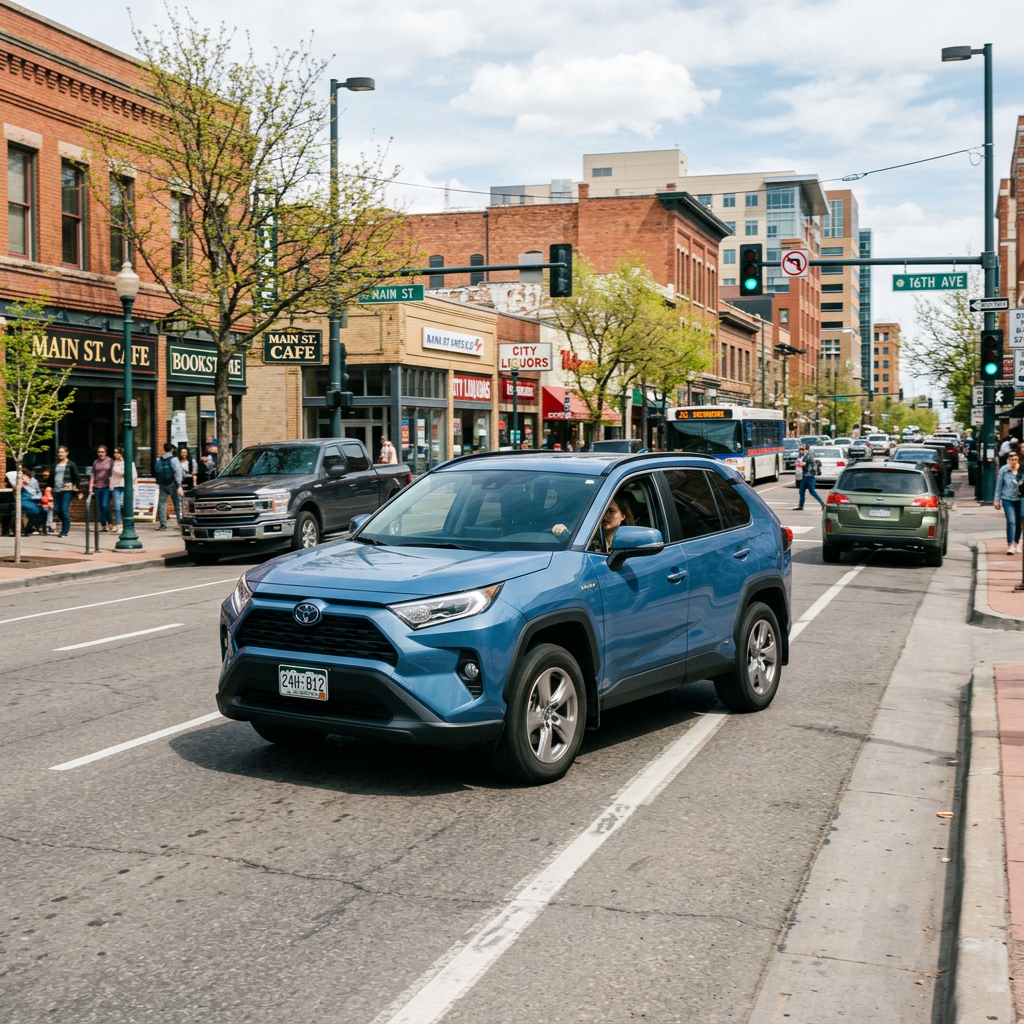
Let’s break down what’s coming, why it matters, and whether it’s the right financial move for you.
What Makes This “New Hybrid” Different From Old Hybrids?
Traditional hybrids were simple: a gas engine + a battery that helped improve fuel efficiency.
But this new generation? It’s a completely different game.
1. Plug-In + Self-Charging Combo
Modern hybrids combine:
- Plug-in capability (like an EV)
- Self-charging system (like classic hybrids)
This means:
- You can drive 30–60 miles on electricity alone
- Then switch to gas seamlessly for longer trips
👉 For many Americans, that covers daily commutes without using a drop of gas
2. EV-Like Driving Without Range Anxiety
One of the biggest fears with electric vehicles is running out of charge.
These new hybrids eliminate that fear.
- Battery runs out? Gas engine takes over instantly
- No charging station nearby? No problem
- Long road trip? You’re covered
This is why many experts are calling them the “perfect transition car” for the U.S. market.
3. Smarter Energy Management
New hybrid systems use AI-based optimization to:
- Switch between battery and gas automatically
- Maximize fuel efficiency
- Reduce wear and tear
The result? Better mileage and lower maintenance costs
Why This Matters Right Now in the U.S.
Gas Prices Aren’t Going Away Anytime Soon
Even though prices fluctuate, the long-term trend is clear: fuel isn’t getting cheaper.
- Average U.S. gas price (recent years): ~$3.50–$5.00/gallon
- Annual fuel cost (average driver): $1,500–$2,500
That’s a huge chunk of your yearly budget.
Cost of Living Is Rising Everywhere
From New York to Texas to California:
- Rent is up
- Groceries are up
- Insurance premiums are up
People aren’t just looking for convenience anymore—they’re looking for financial survival strategies.
A smarter car isn’t a luxury anymore. It’s a financial decision.
How Much Money Can You Actually Save? (Real Breakdown)
Let’s compare a typical gas car vs. a new hybrid.
Scenario: Average U.S. Driver
- Drives ~12,000 miles/year
- Gas price: $4/gallon
Traditional Gas Car
- Mileage: 25 MPG
- Fuel used: 480 gallons/year
- Total cost: $1,920/year
New Hybrid (Plug-In Type)
- Electric driving: ~50% of miles
- Gas usage reduced significantly
Estimated yearly costs:
- Electricity: ~$400–$600
- Gas: ~$600–$800
👉 Total: ~$1,000–$1,400/year
Annual Savings
- You save roughly $600–$1,000 per year
Over 5 years?
👉 That’s $3,000–$5,000 saved
And that’s just fuel.
Hidden Savings Most People Don’t Think About
1. Lower Maintenance Costs
Hybrids:
- Use brakes less (regenerative braking)
- Put less stress on engines
Result:
- Fewer repairs
- Longer lifespan
👉 Savings: $300–$700/year
2. Tax Credits and Incentives
Depending on your state and income:
- Federal tax credits (up to $7,500 for some models)
- State rebates
Even if you qualify for partial benefits, that’s instant savings.
3. Higher Resale Value
Hybrids are in demand.
That means:
- Better resale prices
- Faster selling time
Real-Life Example: A Young Professional in the U.S.
Let’s say Sarah, 29, lives in California.
- Commutes 20 miles daily
- Pays ~$4.50/gallon
She switches to a new hybrid.
Before:
- Monthly fuel cost: ~$220
- Yearly: ~$2,640
After:
- Monthly cost: ~$100
- Yearly: ~$1,200
👉 Savings: $1,440/year
She uses that money to:
- Pay down student loans
- Invest
- Travel
That’s not just savings—that’s lifestyle upgrade.
Are These Hybrids Expensive Upfront?
Short answer: Yes… but not as much as you think.
Typical Price Range
- New hybrid models: $28,000–$45,000
Compared to:
- Gas cars: $25,000–$40,000
So yes, you may pay:
👉 $2,000–$5,000 more upfront
But Here’s the Smart Financial Perspective
When you factor in:
- Fuel savings
- Tax credits
- Maintenance savings
That extra cost can pay itself back in:
👉 2–4 years
After that, it’s pure savings.
Hybrid vs Electric vs Gas: What’s the Smart Choice?
| Feature | Gas Car | Electric Car | New Hybrid |
|---|---|---|---|
| Fuel Cost | High | Very Low | Low |
| Range | High | Limited (charging needed) | High |
| Charging Required | No | Yes | Optional |
| Upfront Cost | Medium | High | Medium |
| Flexibility | Medium | Low | High |
👉 For most Americans today, the new hybrid offers the best balance.
Who Should Seriously Consider Buying This New Hybrid?
1. Daily Commuters
If you drive to work every day:
- You’ll maximize electric usage
- Save the most money
2. Budget-Conscious Families
With rising expenses, cutting fuel costs is huge.
3. First-Time Car Buyers
A hybrid is a future-proof choice.
4. People Not Ready for Full EVs
If charging feels inconvenient, this is the perfect middle ground.
Potential Downsides (Let’s Be Honest)
No car is perfect.
1. Higher Initial Cost
You’ll still pay more upfront than a gas car.
2. Charging Helps (But Isn’t Mandatory)
To get full benefits:
- You’ll need access to home or public charging
3. Not Fully Electric
If your goal is zero emissions, this isn’t the final step.
What Experts Are Saying
Auto industry analysts are calling this shift:
👉 “The most practical evolution in personal transportation for the U.S.”
Why?
Because it solves real problems:
- Cost
- Convenience
- Reliability
Without forcing people into major lifestyle changes.
The Bigger Picture: This Is More Than Just a Car
This new hybrid isn’t just about saving gas.
It represents:
- Smarter spending
- Financial awareness
- A shift toward efficiency
In a time when every dollar matters, small decisions like this can change your long-term financial health.
Conclusion: Is This the Smartest Car Choice in America Right Now?
Let’s be real.
Most people don’t care about horsepower or fancy features anymore.
They care about:
- Saving money
- Reducing stress
- Making smarter financial choices
And that’s exactly where this new hybrid shines.
It gives you:
- Lower fuel costs
- Flexibility for long trips
- Peace of mind in uncertain times
For many Americans, this isn’t just a car upgrade.
👉 It’s a life upgrade.
If you’re thinking about your next vehicle, this might be the smartest move you make this decade.
Is a hybrid better than a fully electric car?
For many Americans, yes. Hybrids offer flexibility, no range anxiety, and lower upfront costs compared to fully electric vehicles.
Do I need to charge a hybrid car every day?
No
Are new hybrid cars worth it in the U.S. in 2026?
Yes