Introduction
Here we will give a complete guide on getting tax credit in u.s which will save your time and money as well.
Let’s be real for a second.
You’ve probably felt that moment at the gas pump—watching prices climb while your budget quietly screams. Groceries are up. Rent is up. Everything feels expensive. And now you’re thinking about upgrading your car… but the idea of spending $30,000–$50,000? That’s stressful.
But what if you could instantly save up to $7,500 on an electric vehicle?
Not a coupon. Not a gimmick.
A real federal tax credit designed to help Americans like you make a smarter, cleaner, and more affordable choice.
The problem?
Most people either don’t understand how it works… or miss out completely.
This beginner-friendly, step-by-step guide will show you exactly how to claim the $7,500 EV tax credit in 2026, avoid common mistakes, and maximize your savings.
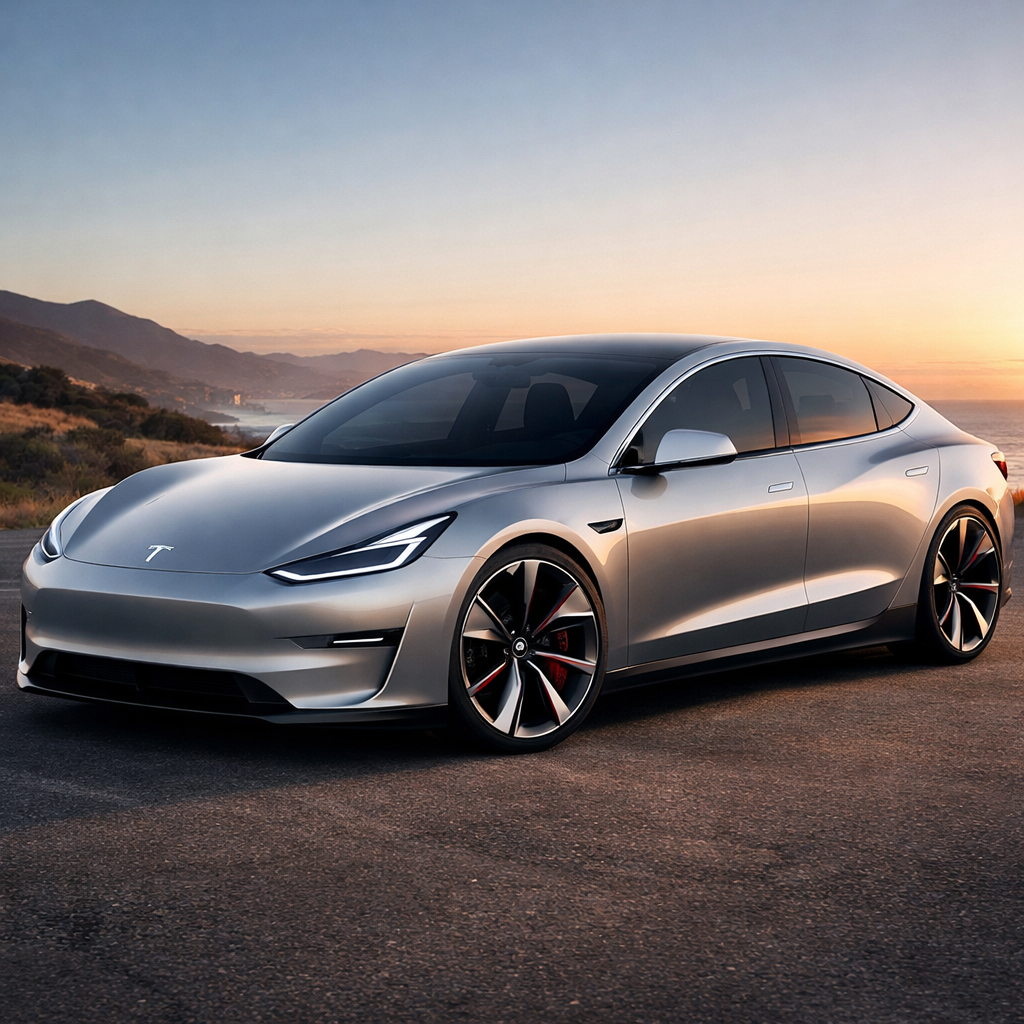
What Is the $7,500 EV Tax Credit?
The Electric Vehicle (EV) Tax Credit is part of the Inflation Reduction Act, designed to encourage Americans to switch to clean energy vehicles.
Key Highlights:
- Worth up to $7,500 in savings
- Applies to new electric vehicles (EVs)
- Available as a tax credit or point-of-sale discount (2024 onward)
👉 In simple terms:
You either pay less upfront at the dealership or get money back when filing taxes.
Why This Tax Credit Matters (Real-Life Impact)
Let’s say you’re buying an EV worth $40,000.
- With tax credit: $32,500 effective cost
- Without tax credit: You pay full price
👉 That’s a huge difference, especially when you’re managing:
- Rent or mortgage
- Student loans
- Monthly bills
For many Americans aged 18–45, this credit can be the deciding factor between “maybe later” and “let’s do it now.”
Step-by-Step Guide to Claim the $7,500 EV Tax Credit (2026)
Let’s break this down into simple, actionable steps.
Step 1: Check If You Qualify (Income Limits)
Not everyone qualifies. Your income matters.
2026 Income Limits:
- Single: Up to $150,000
- Head of household: Up to $225,000
- Married filing jointly: Up to $300,000
👉 If your income is above these limits, you won’t be eligible.
Pro Tip:
You can use either your current year income OR previous year income—whichever is lower.
Step 2: Choose an Eligible Electric Vehicle
Not all EVs qualify for the full $7,500.
Requirements:
- Final assembly must be in North America
- Must meet battery sourcing rules
- MSRP limits:
- Sedans: up to $55,000
- SUVs/trucks: up to $80,000
Popular Eligible EVs (Example):
- Tesla Model 3 / Model Y
- Ford Mustang Mach-E
- Chevrolet Bolt EV
👉 Always confirm eligibility before buying—it can change.
Step 3: Decide How You Want to Claim the Credit
Here’s where things get interesting.
Option 1: Instant Discount (Best Option)
Since 2024, you can transfer the credit to the dealer.
👉 That means:
- You get $7,500 off instantly
- No waiting for tax season
Example:
- Car price: $40,000
- After credit: $32,500 at purchase
Option 2: Claim on Your Taxes
If you don’t use the dealer option:
- You claim the credit when filing taxes
- You’ll need to fill out IRS Form 8936
👉 Important:
This is a non-refundable credit, meaning:
- You only get back what you owe in taxes
Step 4: Verify the Dealer Is Registered
Not all dealerships participate.
Before buying:
- Ask if they support EV tax credit transfer
- Confirm they are IRS-registered
👉 If they’re not, you may miss the instant discount option.
Step 5: Collect Required Documents
To avoid issues later, keep:
- Purchase agreement
- Vehicle VIN
- Dealer certification
- Proof of income
👉 These are essential for tax filing or verification.
Step 6: File Correctly (If Claiming Later)
If you didn’t take the upfront discount:
- File IRS Form 8936 with your tax return
- Include:
- Vehicle details
- Purchase date
- VIN
👉 Mistakes here can delay or reduce your credit.
Real-Life Example: How Much You Actually Save
Let’s make this real.
Scenario:
John (age 29, Texas) buys an EV.
- Car price: $42,000
- Eligible tax credit: $7,500
Outcome:
- New price: $34,500
- Annual maintenance savings: ~$800
- Fuel savings: ~$1,200/year
👉 Total savings in 5 years:
$13,000+
That’s not just savings—that’s financial breathing room.
Hidden Costs to Watch Out For
Let’s keep it honest—there are a few things to consider.
1. Charging Setup
- Home charger: $500–$2,000
- Installation varies by state
2. Electricity Costs
Still cheaper than gas, but:
- Rates vary by location
- Peak hours may cost more
3. Insurance
Some EVs have:
- Slightly higher insurance premiums
👉 Always compare quotes before buying.
Pro Tips to Maximize Your EV Savings
1. Combine State Incentives
Many states offer additional rebates:
- California: Up to $2,000+
- New York: Up to $2,000
👉 Stack these with the federal credit.
2. Buy at the Right Time
Tax credit rules can change.
👉 Best strategy:
- Buy when the vehicle is fully eligible
- Confirm before signing
3. Consider Used EV Credit
Budget tight?
- Used EV credit: up to $4,000
- Lower income limits apply
👉 Great option for first-time buyers.
EV vs Gas Car: Long-Term Cost Advantage
Let’s compare total ownership.
Gas Car (5 Years)
- Fuel: $8,000+
- Maintenance: $6,000
👉 Total: ~$14,000
Electric Car (5 Years)
- Charging: $3,000
- Maintenance: $3,000
👉 Total: ~$6,000
Savings:
👉 $8,000+ over 5 years
Add the $7,500 tax credit, and the EV becomes a clear winner.
Emotional Truth: Why This Decision Matters
This isn’t just about cars.
It’s about:
- Reducing monthly stress
- Making smarter financial choices
- Building a future with fewer money worries
When you stop overspending on gas and maintenance, you start gaining something bigger:
👉 Control over your life and money
And honestly… that feeling is priceless.
Conclusion: Is the $7,500 EV Tax Credit Worth It?
Absolutely—if you use it correctly.
The $7,500 EV tax credit isn’t just a government incentive.
It’s a powerful financial tool that can:
- Lower your upfront cost
- Reduce long-term expenses
- Help you transition to a smarter lifestyle
But here’s the key:
👉 Knowledge = Savings
Most people lose this opportunity simply because they don’t understand it.
Now you do.
So if you’re planning to buy a car in 2026, don’t just think about price—
think about total value, long-term savings, and smart decisions.
Because the best investments aren’t always stocks or crypto…
Sometimes, it’s simply choosing the right car.
please follow us to get more informations on electric vehicle
Can I combine federal and state EV incentives?
Yes.
Can I get the full $7,500 EV tax credit in 2026?
Yes, but only if the vehicle meets all eligibility requirements, including battery sourcing and assembly rules, and your income is within limits.
Is the EV tax credit refundable?
No.