Introduction
It’s Friday evening. You’re stuck in traffic after a long workday, watching your fuel gauge drop faster than your patience. You glance at the glowing gas station sign—$4.89 per gallon—and feel that familiar frustration.
You’re not alone.
Across the United States, millions of people are rethinking how they drive, how they spend, and how they live. With rising gas prices, increasing living costs, and growing environmental awareness, one question keeps popping up:
Is it finally time to switch to an electric car?
The answer is becoming clearer every year.
Electric vehicles (EVs) are no longer just a futuristic idea—they’re already reshaping American roads, wallets, and lifestyles. And if you’re between 18 and 45, trying to make smarter financial decisions while upgrading your daily life, this shift matters more than you think.
Let’s explore why electric cars aren’t just a trend…
👉 They’re the future of driving in America.
The Shift Is Already Happening
EV Adoption Is Exploding in the U.S.
A few years ago, EVs felt like something only tech enthusiasts or early adopters cared about. Today, they’re everywhere.
- Over 1 million EVs sold annually in the U.S.
- Major automakers investing billions of dollars in electric technology
- Charging stations expanding rapidly across highways and cities
From California to Texas, EVs are becoming part of everyday life—not just a niche choice.
Why Americans Are Moving Away from Gas Cars
The Hidden Costs of Gas Vehicles
At first glance, gas cars seem familiar and convenient. But when you look closer, the costs add up quickly:
- Gas: $150–$300/month
- Oil changes: $50–$100 every few months
- Engine maintenance: costly repairs over time
- Unexpected breakdowns
👉 Over 5 years, many drivers spend $10,000–$20,000 just on fuel and maintenance.
And that’s not even counting the stress of fluctuating gas prices.
Electric Cars = Real Money Savings
Lower Fuel Costs (Huge Advantage)
Charging an EV is significantly cheaper than filling up a gas tank.
- Average electricity cost: $0.12–$0.18 per kWh
- Monthly charging cost: $80–$150
- Gas equivalent: $200–$400/month
👉 Annual savings: $1,000–$2,500
Fewer Maintenance Costs
Electric cars have:
- No engine oil
- No spark plugs
- Fewer moving parts
That means:
👉 Less maintenance
👉 Fewer repairs
👉 More peace of mind
Over time, this saves thousands of dollars.
Tax Credits & Incentives (U.S. Advantage)
The U.S. government is actively encouraging EV adoption.
- Federal tax credit: up to $7,500
- State incentives: additional savings depending on location
👉 This makes EVs more affordable than ever before.
Real-Life Example: Sarah from California
Sarah, a 28-year-old marketing professional, switched to an EV in 2024.
Before:
- Gas: $280/month
- Maintenance: $1,200/year
After:
- Charging: $120/month
- Maintenance: minimal
👉 Total yearly savings: $2,000+
But here’s what she values most:
“I don’t think about gas anymore. That stress is gone.”
The Convenience Factor: A Lifestyle Upgrade
Charging at Home Feels Like Magic
Imagine this:
You plug in your car at night.
You wake up.
Your car is fully charged.
No gas stations. No waiting. No hassle.
👉 That’s the everyday reality of EV owners.
Quiet, Smooth, and Modern Driving Experience
Electric cars feel different—in a good way.
- Instant acceleration
- Silent driving
- Smooth handling
It’s not just transportation anymore—it’s an experience.
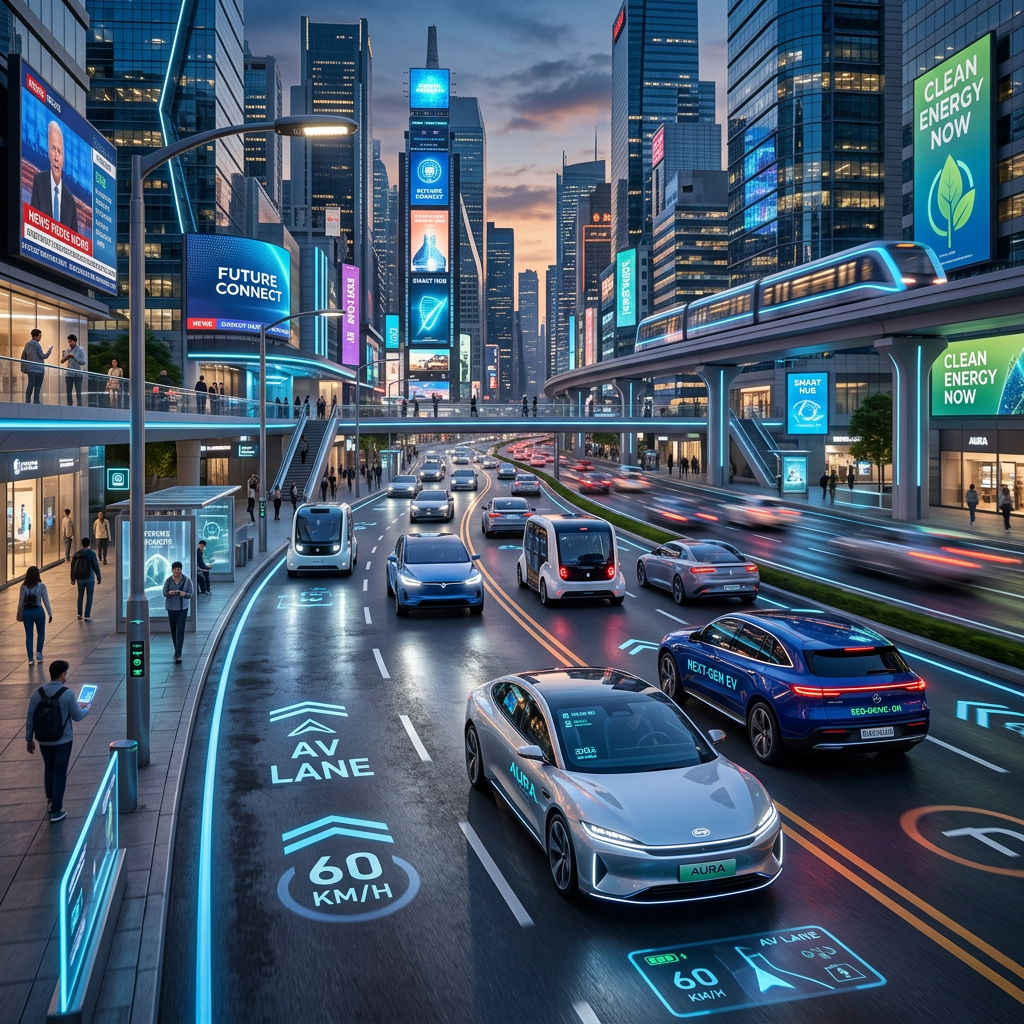
The Future Vision: What Driving Will Look Like in 2030
Let’s fast-forward a few years.
Gas Stations Become Less Relevant
As EV adoption grows:
- Charging stations will outnumber gas pumps
- More homes will have EV chargers
- Businesses will offer free charging to attract customers
Smart Cities + Smart Cars
Electric vehicles will connect with:
- Smart grids
- Renewable energy sources (solar, wind)
- AI-powered traffic systems
👉 Driving will become cleaner, smarter, and more efficient.
Energy Independence for Americans
With EVs:
- You rely less on oil prices
- You can even charge using solar panels at home
👉 That’s real freedom.
Environmental Impact (Without Being Overwhelming)
Let’s be honest—most people switch to EVs for savings and convenience.
But there’s a bigger picture.
- Zero tailpipe emissions
- Reduced air pollution
- Cleaner cities for future generations
Even small changes add up when millions of drivers switch.
Are Electric Cars Really for Everyone?
EVs Are Perfect If You:
- Drive daily (commute or errands)
- Want to save money long-term
- Prefer convenience and modern tech
- Plan to keep your car for several years
EVs Might Not Be Ideal If You:
- Take frequent long road trips in remote areas
- Don’t have access to charging (yet)
- Prefer lower upfront costs
But even these limitations are shrinking fast.
Common Myths About Electric Cars (Debunked)
“EVs Are Too Expensive”
Truth:
With incentives and savings, EVs can be cheaper over time.
“Charging Takes Too Long”
Truth:
- Home charging = overnight convenience
- Fast chargers = 20–40 minutes
“Battery Replacement Is Too Costly”
Truth:
- Most batteries last 8–15 years
- Warranties cover major issues
The Emotional Shift: Why This Matters
This isn’t just about cars.
It’s about control.
Control over your money.
Control over your daily routine.
Control over your future.
Every time you skip a gas station, every time you save money, every time your car feels smoother and smarter—you’re reminded:
👉 You made the right choice.
Electric Cars vs Gas Cars: Quick Comparison
| Feature | Electric Cars | Gas Cars |
|---|---|---|
| Fuel Cost | Low ($80–$150/month) | High ($200–$400/month) |
| Maintenance | Minimal | Expensive |
| Driving Experience | Smooth & quiet | Noisy |
| Environmental Impact | Low | High |
| Long-Term Savings | High | Low |
Conclusion: The Future Is Already Here
Electric cars are no longer a “maybe someday” idea.
They are:
- A smart financial decision
- A lifestyle upgrade
- A step toward a better future
Yes, there’s an upfront cost.
Yes, there’s a learning curve.
But the rewards?
👉 Lower expenses
👉 Less stress
👉 More freedom
If you’re looking for a way to save money, simplify your life, and stay ahead of the curve, electric cars aren’t just the future…
They’re your next smart move.
Are electric cars really cheaper than gas cars in the U.S.?
Yes. While upfront costs can be higher, EVs save $1,000–$2,500 annually on fuel and maintenance, making them cheaper long-term.
Is it hard to find charging stations in the U.S.?
Not anymore. Charging infrastructure is expanding rapidly, and most EV owners charge conveniently at home.
get more information by following us …..