Introduction: Why This Opportunity Feels Different Right Now
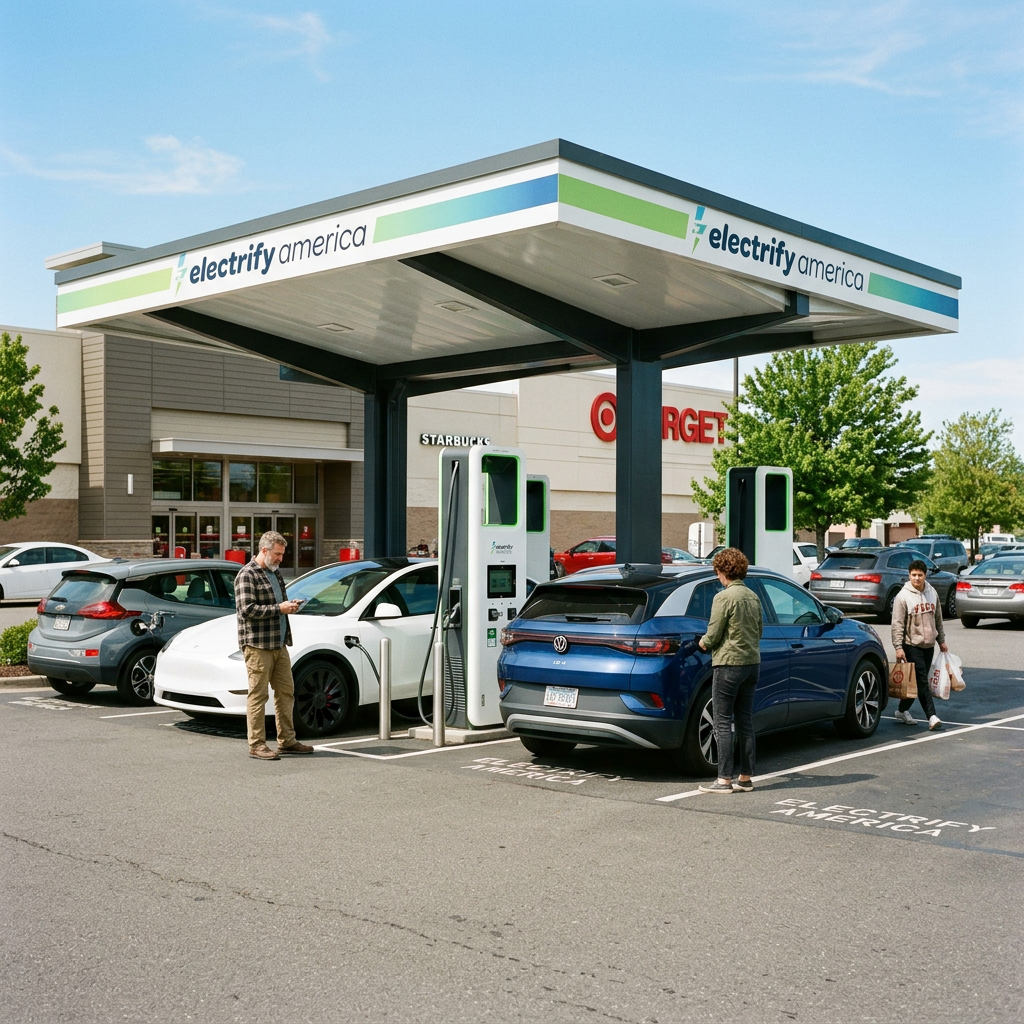
Gas prices spike, fall, and spike again. Every time it happens, people rethink how they drive, what they buy, and where they spend their money. Meanwhile, electric vehicles are quietly becoming the new normal across America.
Now imagine this…
You’re not just saving money by driving electric—you’re earning from it. Every time someone plugs in their car at your station, you generate income. No chasing clients, no selling products door-to-door. Just a growing stream of EV drivers who need your service.
Here’s the truth most people don’t realize:
The biggest opportunity in the EV revolution isn’t just owning an electric car—it’s owning the infrastructure behind it.
And that’s exactly what an EV charging station business offers.
What Is an EV Charging Station Business?
An EV charging station business is simple in concept:
You install electric vehicle chargers at a location (home, parking lot, commercial space), and drivers pay to charge their vehicles.
Think of it like owning a gas station—but cleaner, quieter, and increasingly in demand.
Types of EV Chargers (You Need to Know This First)
- Level 1 Charger
- Slow (8–20 hours for full charge)
- Mostly home use
- Level 2 Charger (Most common for business)
- Medium speed (4–8 hours)
- Ideal for homes, offices, malls
- DC Fast Charger (Level 3)
- Ultra-fast (20–60 minutes)
- Best for highways, commercial hubs
👉 If you’re serious about business, Level 2 and DC fast chargers are where the money is.
Why Start an EV Charging Business in the U.S.?
The U.S. EV market is exploding—and it’s still early.
Key Reasons This Business Makes Sense:
- EV adoption is rising every year
- Government incentives support infrastructure
- Charging demand is growing faster than supply
- Recurring income model (like rent or subscription)
What this means for you is simple:
You’re entering a market that hasn’t peaked yet.
Step-by-Step: How to Start an EV Charging Station Business
1. Choose the Right Location (This Can Make or Break You)
Location is everything.
The best-performing EV charging stations are placed where people already spend time:
- Shopping malls
- Apartment complexes
- Office buildings
- Highways and rest stops
- Hotels and restaurants
👉 Example:
A charger in a busy shopping center can generate more revenue than one on an empty roadside—even if both have the same equipment.
2. Decide Your Business Model
There are 3 main ways to earn:
Pay-Per-Use
Customers pay per kWh or per session.
Subscription Model
Regular users pay monthly.
Free Charging + Indirect Profit
Attract customers to your business (like a café or hotel).
👉 Smart move: Combine pay-per-use + partnerships.
3. Understand the Cost (Real U.S. Estimates)
Let’s break it down realistically:
Level 2 Charger Setup:
- Equipment: $500 – $5,000
- Installation: $2,000 – $10,000
- Total: $3,000 – $15,000 per charger
DC Fast Charger Setup:
- Equipment: $20,000 – $100,000+
- Installation: $10,000 – $50,000
- Total: $30,000 – $150,000+
👉 Yes, it’s a big investment—but returns can scale.
4. Apply for Permits & Incentives
The U.S. government supports EV infrastructure heavily.
You can benefit from:
- Federal tax credits
- State rebates
- Utility company incentives
👉 Many states cover up to 30%–80% of installation costs.
This is where most beginners lose money—by not claiming incentives.
5. Choose the Right Charging Network
Instead of building everything from scratch, you can partner with networks.
Popular options include:
- ChargePoint
- EVgo
- Blink
These platforms handle:
- Payments
- User access
- Software management
👉 This saves time and makes your business scalable.
6. Install and Launch
Once everything is ready:
- Install chargers
- Test systems
- List your station on apps
- Start marketing locally
How Much Profit Can You Make?
Let’s talk real numbers.
Example Scenario:
- 1 Level 2 charger
- 5–10 customers per day
- $10–$20 per session
👉 Daily Revenue: $50–$200
👉 Monthly Revenue: $1,500–$6,000
Scale this to multiple chargers—and income multiplies.
Pros & Cons of EV Charging Business
✅ Pros
- Passive income potential
- Growing market
- Government support
- Eco-friendly business
- Scalable (add more chargers anytime)
❌ Cons
- High upfront cost
- Location dependency
- Requires maintenance
- ROI can take time
Is This Business Right for You?
Ask yourself:
- Do you have access to a good location?
- Can you invest $5K–$100K?
- Are you thinking long-term (3–5 years)?
If yes, this could be one of the smartest moves you make in the next decade.
Final Verdict: Is It Worth It?
Here’s the truth most people ignore:
Every major shift creates two types of people—
Those who adapt early, and those who regret later.
EVs are not “the future” anymore—they’re the present.
And the infrastructure?
Still catching up.
What this means for you is powerful:
You still have time to enter early, build authority, and create a steady income stream before the market becomes saturated.
Do I need a license to start an EV charging station?
Yes, you may need permits and approvals depending on your state and local regulations, along with electrical compliance requirements.
Is an EV charging station business profitable in the U.S.?
Yes, it can be profitable with the right location and usage. Many operators earn $1,000–$6,000+ per month per charger.
last but not the least
Imagine looking back 5 years from now…
EVs are everywhere. Charging stations are as common as gas pumps. And the best locations? Already taken.
The question is:
Will you be someone searching for opportunities… or someone who built one early?
Starting an EV charging station business isn’t just about money.
It’s about positioning yourself in a future that’s already unfolding.
please follow us for more updates and information