Introduction: Why Americans are feeling fuel crises as a personal in 2026
If you’ve filled up your gas tank recently, you’ve probably felt that quiet frustration.
You pull into a station… glance at the price… and suddenly that quick $20 top-up turns into $70 or more. For many Americans, this isn’t just an inconvenience—it’s a lifestyle shift. Weekend trips are being reconsidered. Daily commutes feel heavier. And budgets? Tighter than ever.
Now, across the globe, leaders are grappling with the same issue. One voice gaining attention is Catherine King, who has been actively addressing fuel shortages and pushing electric vehicle (EV) incentives.
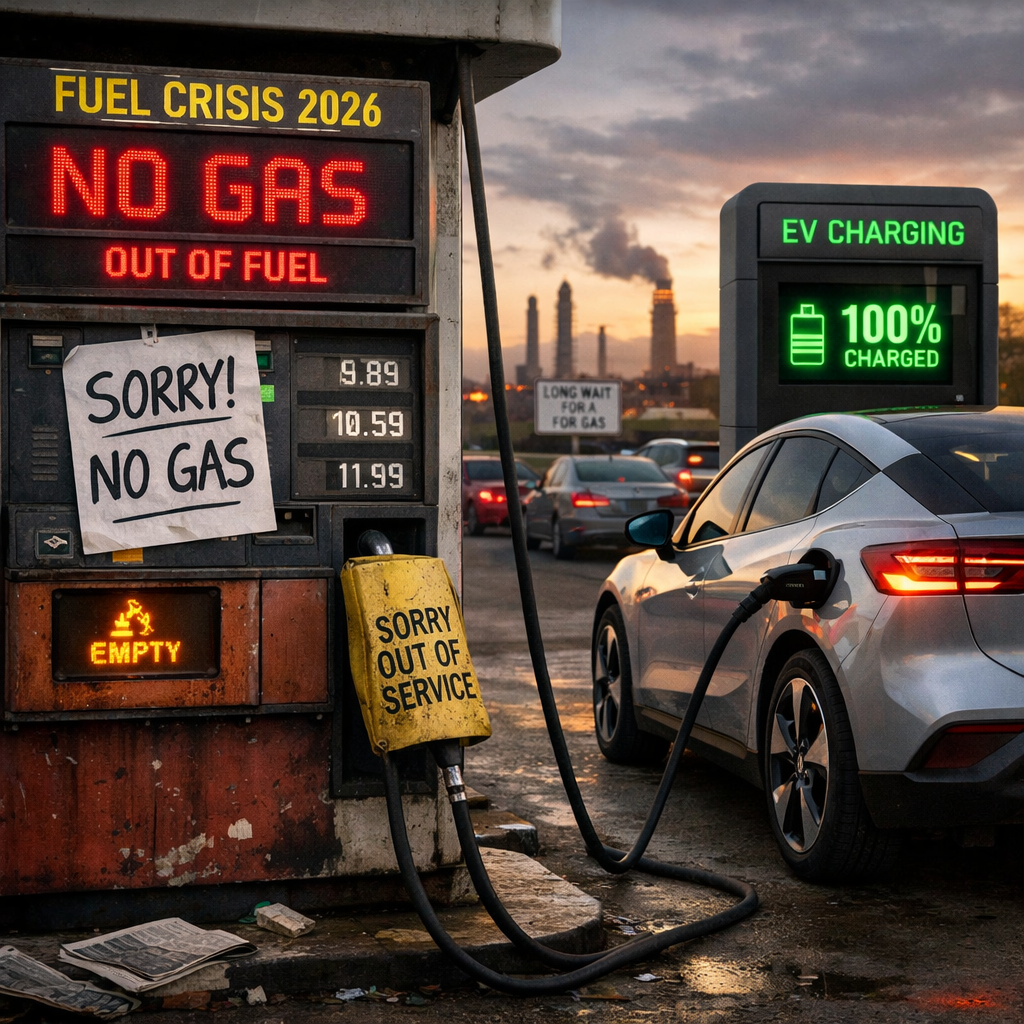
But here’s the real question:
What does her perspective mean for you—as a U.S. consumer trying to save money and make smarter lifestyle decisions?
Let’s break it down in a real, practical way—no fluff, just honest insights that could help you save thousands of dollars in the coming years.
Understanding the Global Fuel Crisis (And Why It Hits the U.S. Hard)
What’s Actually Causing High Gas Prices?
The current fuel crisis isn’t just about supply—it’s a mix of several factors:
- Global oil production cuts
- Geopolitical tensions
- Refinery shortages
- Rising demand post-pandemic
Even though the U.S. produces oil, global pricing still affects what you pay at the pump.
Real Cost Impact for Americans
Let’s make it real:
- Average gas price (2026 estimate): $3.80–$5.20 per gallon
- Average monthly fuel cost per driver: $150–$300
- Annual fuel cost: $1,800–$3,600
For a household with two cars?
You’re easily looking at $5,000+ per year just on gas.
That’s not pocket change—that’s rent, investments, or a vacation.
What Catherine King view on crises of oil
A Shift Toward Long-Term Solutions
Catherine King has emphasized one key idea:
👉 Fuel dependency is risky—and expensive.
Instead of short-term fixes like subsidies alone, her focus has been:
- Increasing EV adoption
- Expanding charging infrastructure
- Reducing reliance on imported fuel
Why This Matters for Americans
Even though she’s not a U.S. official, her policies reflect a global trend—and the U.S. is moving in the same direction.
Think about it:
- Federal EV tax credits (up to $7,500)
- State-level rebates
- Expanding charging networks nationwide
The message is clear:
Gas-powered cars are becoming more expensive to own long-term.
EV Incentives in the U.S.: The Smart Money Move?
How Much Can You Actually Save?
Let’s compare gas vs EV costs in simple terms:
Gas Vehicle (Average U.S.)
- Fuel: $2,500/year
- Maintenance: $1,200/year
- Total (5 years): ~$18,500
Electric Vehicle
- Charging: $600–$900/year
- Maintenance: $500/year
- Tax credit savings: up to $7,500
- Total (5 years): ~$8,000–$10,000
👉 Potential savings: $8,000–$10,000 over 5 years
That’s a serious financial advantage.
Hidden Costs of Gas Cars Most People Ignore
1. Maintenance Adds Up Fast
Oil changes, engine repairs, transmission issues—it never ends.
Typical annual costs:
- Oil changes: $200–$500
- Repairs: $500–$1,500
EVs? No oil. Fewer moving parts.
2. Price Volatility = Financial Stress
Gas prices fluctuate constantly.
One geopolitical event can spike prices overnight.
With EVs, your “fuel” cost (electricity) is:
- More stable
- Often cheaper at night
- Sometimes free (solar setups)
3. Depreciation Risk
As EV adoption rises, gas cars may lose value faster.
Think about it like this:
Would you invest in outdated tech?
Real-Life Example: A U.S. Driver’s Transition
Meet Jake, a 29-year-old from Texas.
- Drives 40 miles daily
- Used to spend: $280/month on gas
He switched to an EV in 2025.
Now:
- Charging cost: ~$70/month
- Maintenance: Minimal
👉 Annual savings: ~$2,500
Jake didn’t just save money—he reduced stress.
No more gas station stops. No more price anxiety.
Are EVs Really Affordable in 2026?
Upfront Cost vs Long-Term Value
Yes, EVs can be expensive upfront:
- Average EV price: $35,000–$55,000
But here’s the smart angle:
After incentives:
- Price drops significantly
- Monthly cost often equals gas cars
Budget-Friendly EV Options
More automakers are entering the space with affordable models.
Key trend:
👉 EVs under $30,000 are becoming more common.
Charging Infrastructure: Is It Reliable Yet?
This is the biggest concern for most Americans.
The Reality in 2026
- Over 150,000+ charging stations nationwide
- Fast chargers available on highways
- Home charging = biggest convenience
Home Charging Cost
- Installation: $500–$2,000
- Cost per full charge: $10–$20
Compare that to a $60–$80 gas fill-up.
Fuel Crisis vs EV Future: A Side-by-Side Comparison
| Factor | Gas Cars | Electric Vehicles |
|---|---|---|
| Fuel Cost | High & unpredictable | Low & stable |
| Maintenance | Expensive | Minimal |
| Incentives | None | Up to $7,500 |
| Environmental Impact | High | Low |
| Long-Term Cost | Higher | Lower |
👉 The numbers don’t lie.
Is Now the Right Time to Switch?
You Should Consider an EV If:
- You drive daily (commute or work)
- You want predictable expenses
- You plan to keep your car 5+ years
Maybe Wait If:
- You live in a remote area with limited charging
- You rarely drive
What This Means for Your Financial Future
The fuel crisis isn’t temporary—it’s a signal.
A signal that:
- Energy costs are changing
- Transportation is evolving
- Smart consumers adapt early
By learning from leaders like Catherine King, you can stay ahead of the curve.
Conclusion: The Smart Choice Isn’t Just About Cars—It’s About Control
At the end of the day, this isn’t just about gas vs electric.
It’s about control over your money and your future.
Gas prices will keep rising. That’s a reality.
But your response? That’s your power.
You can:
- Keep reacting to rising costs
or - Make a smart shift that saves you thousands
The fuel crisis might feel frustrating—but it’s also an opportunity.
An opportunity to rethink how you spend, drive, and live.
And sometimes, the smartest financial decisions aren’t the obvious ones…
they’re the ones that protect you long-term.
controlling money saves your future.
Will gas prices continue to rise in the U.S.?
While prices fluctuate, long-term trends suggest increasing costs due to global supply issues and demand. This is why many experts—and policymakers like Catherine King—are pushing for EV adoption.
Is charging an EV cheaper than buying gas?
In most cases, yes. Charging typically costs 60–70% less than gasoline, especially if you charge at home during off-peak hours.
Are EV incentives still available in the U.S. in 2026?
Yes, many Americans can still qualify for federal tax credits up to $7,500, along with additional state rebates depending on location.
please follow us more more related ev news and upcoming informations.stay tune,