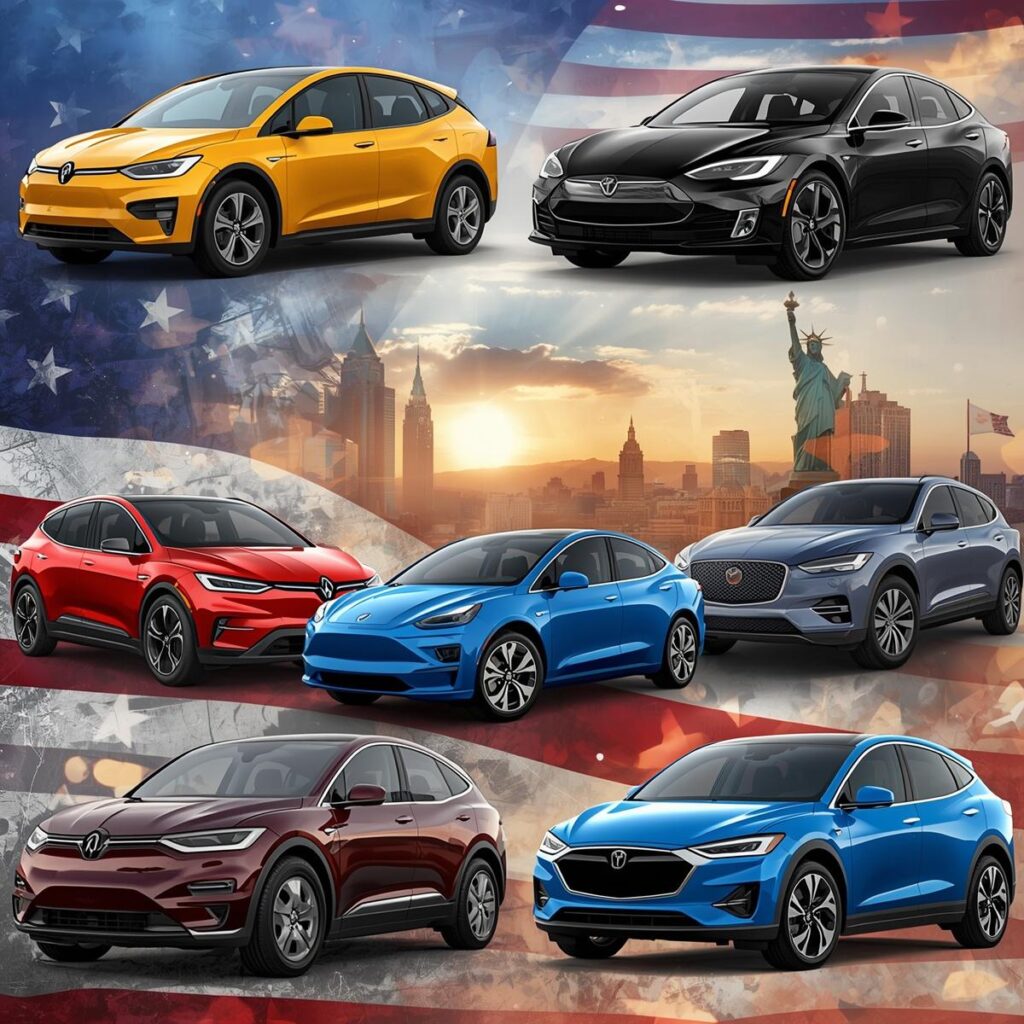
Electric cars have officially moved beyond the “future technology” phase. They’re everywhere now — in suburban driveways, apartment parking lots, rideshare fleets, and even high school pickup lines. But while brand-new EVs grab headlines with futuristic dashboards and eye-popping acceleration, a quieter revolution is happening in the used EV market.
And honestly? That’s where some of the smartest buyers are looking.
The reality is simple: many Americans want to switch to electric without spending $50,000 or more on a new car. Rising fuel prices, lower maintenance costs, and expanding charging networks are pushing more drivers toward used electric vehicles than ever before.
But there’s one big question hanging over the entire used EV market:
Which used electric cars are actually reliable?
That question matters more than range, touchscreen size, or even performance. Nobody wants to buy a used EV only to discover battery issues, software headaches, or expensive repairs six months later.
The good news is that several electric vehicles have quietly proven themselves over time. Some models have aged incredibly well, delivering dependable performance even after years of daily driving.
If you’re shopping for the most reliable used electric cars right now, this guide breaks down the EVs that owners continue to trust — and why they stand out in a rapidly growing market.
Why Reliability Matters More in Used EVs
Buying a used gasoline car usually means checking the engine, transmission, oil leaks, and maintenance history.
Used EVs are different.
Electric cars have fewer moving parts, which is a huge advantage. No oil changes. No spark plugs. No traditional transmission. No exhaust system. In many cases, maintenance costs are dramatically lower.
But EV reliability still depends on a few critical factors:
Battery health
Thermal management systems
Software stability
Charging performance
Build quality
Long-term parts support
The best used electric cars combine all of those factors into a package that still feels dependable years later.
And surprisingly, some older EVs are holding up better than expected.
What Makes an Electric Car Reliable Over Time?
Before diving into the best models, it helps to understand what separates a dependable used EV from a risky one.
Battery Degradation
This is the biggest concern for most buyers.
Every EV battery loses some capacity over time. But the difference between a well-designed battery system and a poorly designed one can be massive.
Reliable EVs typically lose battery range gradually rather than suddenly. Many modern electric cars still retain 85–90% of their battery capacity after several years.
Thermal Management
Heat is the enemy of lithium-ion batteries.
EVs with advanced liquid cooling systems tend to age much better than older models that relied heavily on passive cooling.
This is one reason why some early EVs aged poorly while others remained surprisingly strong.
Software Reliability
Modern EVs are basically rolling computers.
Reliable software matters because glitches can affect:
Charging
Navigation
Battery management
Safety systems
Driver assistance features
The best used EVs have stable software ecosystems and manufacturers that continue supporting older vehicles.
Charging Compatibility
A reliable EV also needs easy charging access.
Cars with broader charging compatibility and strong DC fast-charging support are much easier to live with long term.
- Tesla Model 3 — The Used EV Benchmark
If there’s one used electric car dominating the American market right now, it’s the Tesla Model 3.
Love Tesla or hate Tesla, the Model 3 has become one of the most dependable used EV options available.
Why It’s So Reliable
The biggest advantage is Tesla’s battery and software technology. Even older Model 3 vehicles often maintain impressive range after high mileage.
Owners frequently report:
Minimal battery degradation
Low maintenance costs
Strong charging infrastructure access
Reliable drivetrain performance
Tesla’s over-the-air software updates also help older vehicles stay modern longer than traditional cars.
Best Years to Buy
Many EV experts consider 2021 and newer models especially strong because of improved build quality and efficiency upgrades.
However, even 2018–2020 models remain popular used purchases.
Potential Downsides
No car is perfect.
Some older Model 3 vehicles experienced:
Panel gap issues
Paint quality complaints
Occasional touchscreen glitches
Still, the powertrain itself has proven remarkably durable.
Who It’s Best For
The Model 3 works especially well for:
Daily commuters
Tech-focused drivers
Long-distance travelers
First-time EV owners
For many Americans, it’s still the easiest used EV transition. - Chevrolet Bolt EV — Affordable and Surprisingly Durable
The Chevrolet Bolt EV went through a difficult period because of highly publicized battery recalls. But after replacement batteries were installed, the story changed dramatically.
Today, the Bolt EV has become one of the best-value used electric cars in America.
And honestly, many buyers are shocked by how practical it feels.
Why Reliability Improved
GM replaced batteries in many recalled Bolt models, meaning some used buyers are effectively getting newer battery packs.
That’s a huge advantage.
The Bolt also delivers:
Simple EV engineering
Strong efficiency
Low ownership costs
Good real-world reliability
Why Americans Love It
The Bolt isn’t flashy.
It doesn’t try to look futuristic.
But it’s affordable, efficient, and practical — which matters more to many families than flashy design.
Best Used Market Advantage
Some used Bolt EVs offer:
Over 250 miles of range
Relatively affordable pricing
Updated batteries
Cheap operating costs
That combination is hard to beat.
Downsides
Fast charging speeds are slower compared to newer EVs, which makes road trips less convenient.
But for city driving and commuting, it’s incredibly solid. - Hyundai Kona Electric — Quietly One of the Best Used EVs
The Hyundai Kona Electric doesn’t always dominate headlines, but owners consistently praise its reliability.
And in the used market, that matters a lot more than hype.
Why It Stands Out
The Kona Electric offers an excellent balance of:
Battery efficiency
Real-world range
Comfortable driving
Strong reliability scores
Hyundai’s EV engineering has improved rapidly over the last few years, and the Kona became one of the company’s strongest early success stories.
Excellent Range Efficiency
Even older Kona Electric models often outperform expectations in range efficiency.
That makes them especially attractive for buyers nervous about charging access.
Interior Comfort
One overlooked advantage of the Kona Electric is comfort.
Many used EV shoppers discover that it feels more familiar and less intimidating than ultra-tech-heavy competitors.
Downsides
Rear passenger space can feel tight for larger families.
Still, for solo drivers or couples, it’s an outstanding option. - Nissan Leaf — Still a Smart Choice for Some Buyers
The Nissan Leaf helped introduce millions of people to electric driving.
And despite its age, it still deserves a place on this list.
Why the Leaf Still Matters
The Leaf’s biggest strengths include:
Affordable used pricing
Proven simplicity
Easy maintenance
Comfortable city driving
For buyers who mainly drive locally, the Leaf can still make enormous financial sense.
Important Battery Warning
Not all Leaf models age equally.
Older versions without liquid battery cooling experienced faster battery degradation in hot climates.
That means buyers should always check:
Battery health reports
Climate history
Remaining range capacity
Best Leaf Versions
Newer Leaf Plus models are generally more desirable because they offer:
Better range
Improved battery durability
More highway usability
Best For Urban Drivers
If your daily driving is mostly commuting, errands, and local travel, the Leaf can still be one of the cheapest ways to enter the EV world. - Ford Mustang Mach-E — A Strong Newer Used Option
The Ford Mustang Mach-E arrived with enormous expectations.
Fortunately, it largely delivered.
While it’s newer than some EVs on this list, early reliability trends look encouraging.
What Buyers Like
Used Mach-E owners often praise:
Comfortable ride quality
Strong battery performance
Practical SUV space
Smooth driving experience
Ford also benefits from its massive dealership network across the United States.
That matters when owners need support or service.
Why It Feels Important
The Mach-E helped convince many mainstream American drivers that EVs could genuinely replace gasoline SUVs.
It feels familiar while still embracing modern EV technology.
Potential Concerns
Some early software bugs frustrated owners during launch years.
However, Ford has improved updates and system stability significantly. - Kia EV6 — Rapidly Becoming a Used EV Favorite
The Kia EV6 feels like one of those cars that changed people’s perception of the Kia brand overnight.
And now it’s becoming increasingly attractive in the used market.
Why Reliability Looks Strong
The EV6 benefits from Hyundai-Kia’s modern EV platform, which has earned strong praise for:
Charging speeds
Battery efficiency
Thermal management
Long-term durability potential
Fast Charging Is a Huge Advantage
One reason drivers love the EV6 is its ultra-fast charging capability.
That makes long-distance driving far easier compared to older EVs.
Stylish Without Feeling Overdone
Some EVs try too hard to look futuristic.
The EV6 balances modern styling with practicality, which helps it age gracefully.
Why Used EV Prices Are Falling
One of the biggest shifts happening in 2026 is aggressive used EV price drops.
That’s great news for buyers.
Several factors are driving this trend:
More EV trade-ins entering the market
New EV price competition
Federal tax credit changes
Faster technology cycles
For consumers, this means used electric cars are becoming dramatically more accessible.
Cars that once felt financially impossible are now entering realistic price ranges for middle-class families.
And that could reshape the entire American auto market over the next few years.
Biggest Mistakes People Make When Buying a Used EV
Buying a used EV can save money — but only if buyers avoid common mistakes. - Ignoring Battery Health
Battery condition matters more than mileage.
Always request:
Battery health reports
Range estimates
Charging history if available - Overlooking Charging Speed
Two EVs with identical range can feel completely different if one charges much faster.
Fast charging matters for road trips and convenience. - Forgetting About Software
Older EV software can impact daily usability.
Check whether the manufacturer still provides updates and support. - Buying Based Only on Price
The cheapest used EV isn’t always the best deal.
A slightly more expensive model with better battery durability may save thousands later.
Are Used Electric Cars Actually Cheaper to Own?
For many Americans, yes.
The long-term ownership savings can be significant.
Lower Maintenance Costs
EVs eliminate many traditional repair expenses:
Oil changes
Transmission repairs
Exhaust issues
Timing belts
Lower Fuel Costs
Charging at home is often dramatically cheaper than gasoline.
Fewer Mechanical Failures
Electric drivetrains are mechanically simpler than internal combustion engines.
That simplicity often improves reliability over time.
The Emotional Side of EV Ownership
This part rarely gets discussed enough.
For many drivers, switching to an EV changes how driving feels emotionally.
There’s something strangely calming about:
Quiet acceleration
Charging at home
Skipping gas stations
Smooth instant torque
And once drivers adjust to electric driving, many say they never want to return to gasoline vehicles.
That emotional loyalty is helping the used EV market grow faster every year.
What the Future Looks Like for Used EV Buyers
The next few years could completely transform the used electric car market in America.
Battery technology is improving quickly.
Charging networks are expanding.
And automakers are finally treating EVs like mainstream products instead of experimental side projects.
That means future used EV buyers may benefit from:
Better reliability
Longer battery life
Faster charging
Lower prices
More choices
In many ways, the used EV market is just getting started.
Final Thoughts
Buying a used electric car used to feel risky.
Now, it feels smarter than ever.
The market has matured enough that several EVs have proven they can survive years of real-world driving without becoming financial nightmares.
That’s a huge turning point.
Cars like the Tesla Model 3, Chevrolet Bolt EV, and Hyundai Kona Electric are showing buyers that electric vehicles can absolutely deliver long-term reliability.
And as prices continue falling, millions of Americans may soon realize something important:
The best EV deal in 2026 might not be a brand-new electric car.
It might be a reliable used one sitting quietly on a dealership lot right now.
FAQs
What is the most reliable used electric car right now?
Many experts and owners consider the Tesla Model 3 one of the most reliable used EVs because of strong battery durability, software updates, and charging support.
How long do used EV batteries last?
Most modern EV batteries are designed to last well over 100,000 miles, and many continue performing effectively beyond 200,000 miles with gradual range loss.