đź’° 2. EV Cost & Savings

Learn how electric vehicles can help you save money in the U.S. with in-depth cost comparisons, charging expenses, maintenance savings, and long-term financial benefits. Get real insights on EV vs gas car costs to make smarter, budget-friendly decisions.

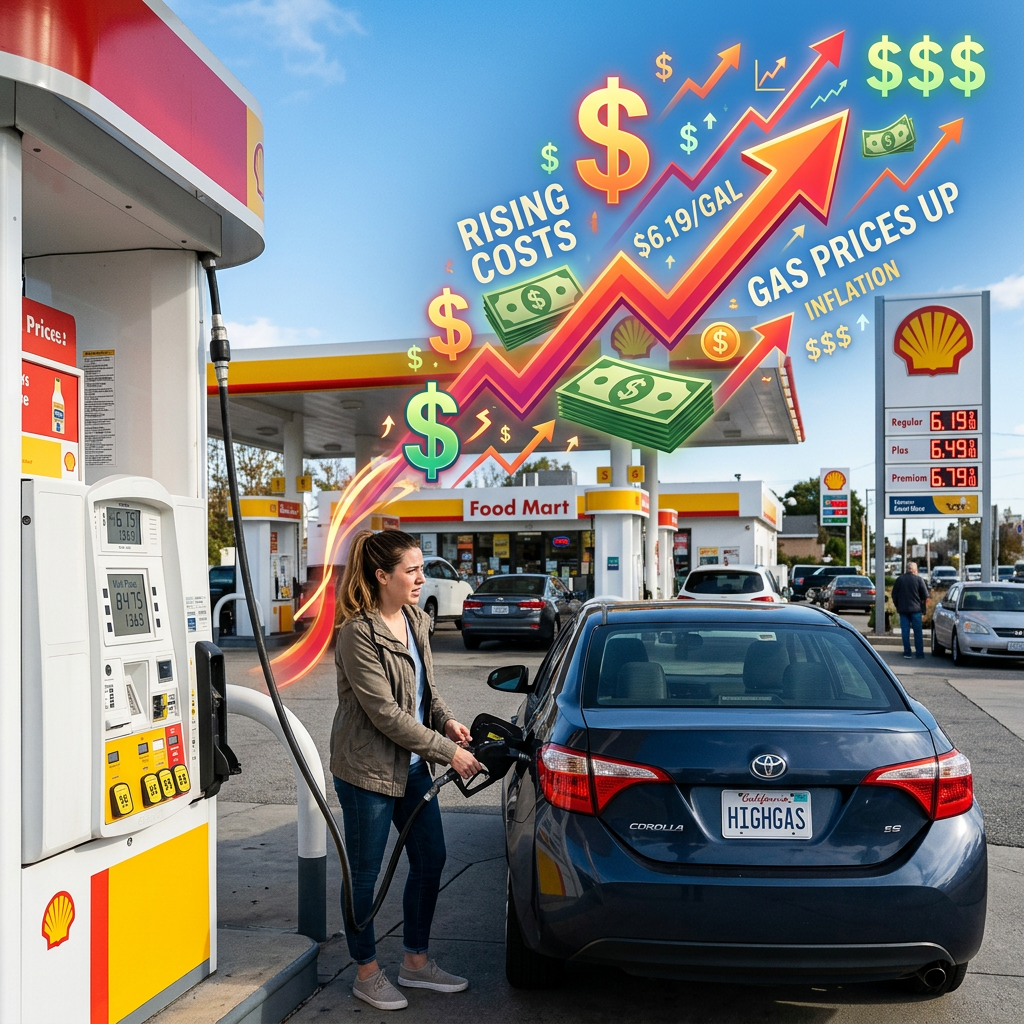
A woman fueling her car at a gas station with graphic elements showing rising gas prices and inflation
đź’° 2. EV Cost & Savings

The Hidden Costs of Owning a Gas Car in America (2026): What Most Drivers Still Don’t See Coming

Introduction: The Moment That Hits Every American Driver It usually starts the same way. You’re pulling into a gas station after a long day—maybe after work, maybe after dropping the kids off, maybe just running errands. You glance at the price board. $4.19… $4.49… sometimes even higher depending on where you live. You sigh, grab the pump, and tell yourself: “It is what it is.” But here’s the truth most people don’t realize in 2026: gas prices are only the tip of the iceberg. Owning a gas-powered car in America today comes with a long list of hidden costs—costs that quietly drain your bank account month after month, year after year. And when you finally add it all up, the number can feel shocking. This article isn’t here to scare you. It’s here to open your eyes. Because once you see the real cost of owning a gas car, you’ll never look at your vehicle the same way again. The Real Cost of Gas Isn’t Just at the Pump Fuel Prices Are Still Unpredictable Gas prices in the U.S. have always been volatile—but in 2026, that unpredictability is even more frustrating. One week you’re paying $3.80 per gallon. The next, it jumps past $4.50. For the average American driver: That means: Annual fuel cost = ~$2,268 And that’s just for an average car. If you drive an SUV or truck? You could easily be spending $3,000–$4,500 per year on gas alone. But again—this is just the beginning. Maintenance Costs That Quietly Add Up Oil Changes, Engine Repairs, and Wear & Tear Gas cars have hundreds of moving parts. That means more things that can break, wear out, or need replacing. Here’s what most drivers pay annually: Average yearly maintenance cost: $900–$1,500 Now think about this:These aren’t luxury upgrades. These are mandatory expenses just to keep your car running. Miss an oil change? You risk engine damage.Ignore brake issues? You risk your safety. It’s a constant cycle of spending just to maintain the status quo. Depreciation: The Silent Wealth Killer Your Car Is Losing Value Every Single Day This is one of the most overlooked costs of owning a gas car. The moment you drive a new car off the lot, it loses 10–20% of its value instantly. Within 5 years? Let’s say you bought a car for $30,000. After 5 years, it might only be worth $12,000–$15,000. That’s a loss of up to $18,000. And here’s the painful part:You don’t feel this loss daily—but it’s happening silently in the background. Insurance Costs Are Rising Faster Than You Think Why Gas Cars Are Becoming More Expensive to Insure Insurance premiums in the U.S. have been steadily increasing, especially for gas-powered vehicles. Why? Average insurance cost in 2026: For younger drivers (18–25), it can easily exceed $3,000/year. That’s another major expense most people just accept without questioning. The Hidden Cost of Time and Stress Standing at the Pump… Again and Again Let’s talk about something money can’t fully measure: your time. That’s roughly: 10–13 hours per year spent just refueling Now add: It all adds up. And then there’s stress. That low-fuel warning light.That strange engine noise.That fear of a sudden repair bill. These aren’t just inconveniences—they affect your daily peace of mind. Environmental Costs That Turn Into Financial Costs Emissions Are No Longer Just an Environmental Issue Gas cars produce emissions that are increasingly being regulated across the U.S. What does that mean for you? Some cities are already discussing stricter rules on gas vehicles. This isn’t just about the environment anymore—it’s about your wallet. The Opportunity Cost: What You Could Have Done Instead The Money You’re Losing Could Be Working for You Let’s break it down: Average yearly cost of owning a gas car: Total: ~$8,700 per year Now imagine investing even half of that annually. Over 5 years, that could grow into tens of thousands of dollars. Instead, that money is being spent just to keep your car on the road. That’s the real hidden cost: missed opportunities. Gas Cars vs. Alternatives: The Eye-Opening Comparison Electric and Hybrid Vehicles Are Changing the Game While gas cars continue to drain money, alternatives are becoming more attractive. Electric vehicle (EV) advantages: Hybrid vehicles: Even if the upfront cost is higher, the long-term savings can be significant. This is why more Americans in 2026 are starting to rethink their choices. Real-Life Example: Two Drivers, Two Outcomes Jake vs. Michael Jake (Gas Car Owner): Michael (Hybrid Owner): After 5 years: That’s a difference of $17,000. Same country. Same roads. Different financial outcomes. Why Most People Still Don’t Realize These Costs It Feels Normal—But It’s Not Cheap The biggest reason these costs go unnoticed? Because they’re spread out. Individually, they don’t seem overwhelming. But together? They form a massive financial drain that most people never calculate. How to Reduce the Hidden Costs (Without Drastic Changes) Smart Moves You Can Start Today You don’t have to switch cars overnight. But you can start saving. Here’s how: Even small changes can save hundreds to thousands per year. Conclusion: The Truth Most Drivers Ignore Owning a gas car in America in 2026 isn’t just about filling up your tank. It’s about: And when you finally see the full picture, one thing becomes clear: The real cost of a gas car is far higher than most people ever realize. This doesn’t mean you need to panic or make a rushed decision. But it does mean you should be aware. Because awareness is where smart financial decisions begin. And in today’s world, making the smart choice isn’t just about convenience— It’s about protecting your future.

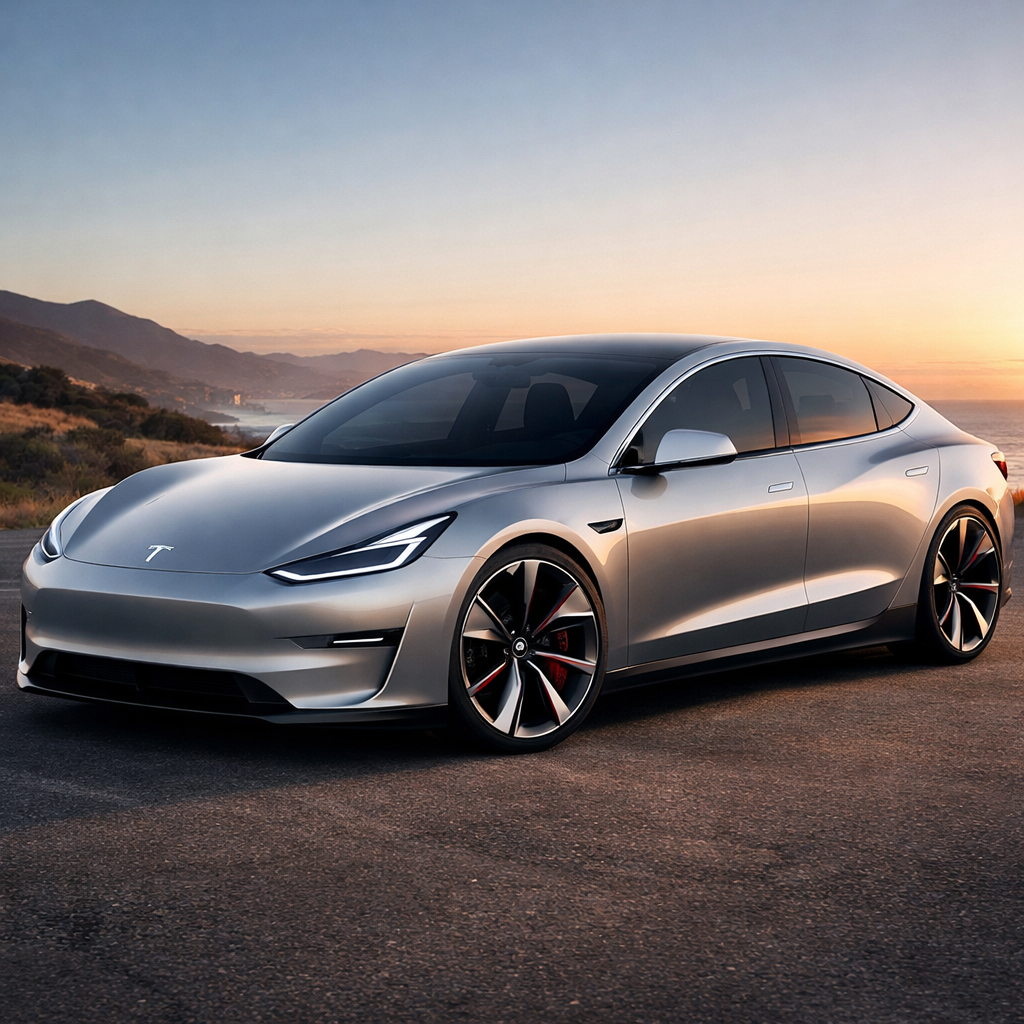
electric vehicle in zade black
đź’° 2. EV Cost & Savings

Are Electric Cars easy to Maintain Than Gas Cars in USA ? A Real Cost Breakdown That Could Save You Thousands

Introduction Let see the situation of rising gas prices in USA . It is time to buy electric car which is easy to maintain and also cheaper than gas cars. Picture this: you’re standing at a gas station in the U.S., watching the numbers on the pump climb faster than your patience. Another $60… $70… maybe even $100 gone in minutes. Meanwhile, your friend with an electric car casually plugs in at home, sipping coffee while their car charges overnight. It makes you wonder—am I wasting money sticking with a gas car? With rising living costs, inflation, and unpredictable fuel prices across America, more people between 18–45 are asking smarter financial questions. One of the biggest? Are electric cars actually cheaper to maintain than gas cars—or is it just hype? The answer isn’t just “yes” or “no.” It’s deeper, more practical, and honestly… a bit eye-opening. Let’s break it down in real numbers, real-life scenarios, and a way that helps you make a smarter decision for your wallet. The electric car vs gas car and their differences ? Before diving into costs, it’s important to understand why maintenance differs. Gas Cars: More Moving Parts, More Problems Traditional gasoline vehicles rely on: More parts = more wear and tear = more maintenance. Electric Cars: Simpler, Smarter Design Electric vehicles (EVs) are built differently: That simplicity is the key reason EVs often cost less to maintain. Yearly Maintenance Cost: The Real U.S. Numbers Let’s talk actual dollars—because that’s what matters most. Average Annual Maintenance Cost in the U.S. Vehicle Type Yearly Maintenance Cost Gas Car $900 – $1,500 Electric Car $300 – $800 👉 Average savings: $600 – $1,000 per year That’s not pocket change. Over 5 years, you could save $3,000 to $5,000—just on maintenance. How yours money Are saved when you buy electric cars ? 1. No Oil Changes (Big Win) Gas cars require oil changes every 5,000–7,500 miles. Electric cars?👉 Zero oil changes. Ever. That’s instant savings without even trying. 2. Fewer Brake Repairs (Surprisingly Huge) Electric cars use regenerative braking, which slows the car while recharging the battery. Result: Gas car brake job: $300–$800 every few yearsEV brake maintenance: Significantly reduced Over time, this adds up more than most people expect. 3. No Engine-Related Repairs Gas cars often face: These repairs can cost $1,000+ easily. Electric cars avoid most of these completely. 👉 No engine = fewer expensive surprises. 4. Lower Routine Service Costs Typical gas car services include: EVs don’t need any of these. That means: The Hidden Costs You Should Know Let’s be honest—nothing is perfect. Electric cars do have some costs you should consider. 1. Battery Replacement (Rare but Expensive) But here’s the truth:👉 Most EV owners never replace the battery during their ownership. Plus, many U.S. manufacturers offer 8-year warranties, reducing the risk. 2. Tire Wear Can Be Slightly Higher Electric cars are heavier due to batteries. That can mean: Still, this doesn’t outweigh overall savings. 3. Charging Equipment is only one time cost Home charger installation: But after that, charging is cheaper than gas—especially if you charge overnight. Let go on the 5-Year Cost Comparison Let’s break it down in a simple scenario. Gas Car Owner (5 Years) 👉 Total: ~$9,000 Electric Car Owner (5 Years) 👉 Total: ~$4,500 đź’° Total Savings with EV: 👉 Around $4,500 over 5 years That’s a vacation. Or investments. Or simply less financial stress. Emotional Reality: Why This Matters More Than You Think Let’s step away from numbers for a second. Think about: For many Americans, that peace of mind is priceless. Owning a car shouldn’t feel like a financial trap.It should feel like freedom. Electric cars are moving closer to that idea. Are Electric Cars Always the Best Choice? Not always. It depends on your lifestyle. EVs Are Perfect If You: Gas Cars Might Suit You If You: High-CPC Insight: Total Cost of Ownership (TCO) When experts talk about smart car buying decisions in the U.S., they focus on: 👉 Total Cost of Ownership (TCO) This includes: Electric cars often win in TCO—even if their upfront cost is higher. That’s why many financial advisors now call EVs a “smart long-term investment.” The Future of Car Ownership in America The shift is already happening. As adoption grows, costs will likely drop even further. Meaning:👉 The earlier you switch, the more you benefit over time. Final thought – save money the game changers So, are electric cars cheaper to maintain than gas cars in America? 👉 Yes—and by a significant margin. They save you: But more than money, they give you something deeper: Control over your expenses. Predictability. Peace of mind. In a world where everything feels expensive and uncertain, that’s not just a benefit—it’s a smart lifestyle upgrade. The smart game changer of electric car save your money which can be utilize on other areas. If you’re thinking long-term, thinking smart, and thinking financially…an electric car isn’t just a trend—it’s a decision your future self will thank you for. please free feel to email us for more information .we will help you to understand in better ways.

đź’° 2. EV Cost & Savings

How Much Does It Cost to Charge an Electric Car in the U.S. (2026)? A Complete guide to Help You Save Money

Introduction Recently we have seen that the gas price is rising day by day. you have also experience and thimg at gas station or pump for better cost saving ways. With rising fuel prices, higher living costs, and a growing push toward cleaner energy, more Americans are asking the same question: Is switching to an electric car actually cheaper? The answer isn’t just a simple yes or no. It depends on how and where you charge your electric vehicle (EV). In 2026, EV charging costs in the U.S. have become more predictable—but also more varied. Charging at home can feel like a financial win, while public charging can sometimes surprise you with higher-than-expected costs. This guide breaks it all down in real numbers—so you can decide if driving electric is truly the smart financial move for your lifestyle. Understanding the Basics: What Affects EV Charging Costs? Before we dive into dollars, let’s quickly understand what actually determines how much you’ll pay to charge an EV: In the U.S., electricity is measured in kilowatt-hours (kWh). Think of it like gallons of gas—but for electricity. Average Electricity Cost in the U.S. (2026) As of 2026, the average electricity rate in the U.S. is: This range plays a huge role in how much you’ll spend charging your EV. Home Charging Costs: The Cheapest and Smartest Option Why Home Charging is the Best Choice Charging your EV at home is where most drivers save serious money. It’s convenient, predictable, and often significantly cheaper than public stations. Real Cost Example Let’s break it down with a common EV: Full charge cost:60 Ă— $0.16 = $9.60 That’s it. Less than $10 for a full “tank.” Cost Per Mile Most EVs get around 3–4 miles per kWh. So: That’s up to 70% savings. Monthly Charging Cost at Home Let’s say you drive: Electricity needed:1,000 Ă· 3.5 = ~285 kWh Monthly cost:285 Ă— $0.16 = $45.60 👉 That’s often less than half of what gas drivers pay. Off-Peak Charging = Even More Savings Many U.S. utility companies offer time-of-use (TOU) plans, where electricity is cheaper at night. If you charge overnight: This is one of the biggest “hidden savings” EV owners enjoy. Public Charging Costs: Convenience Comes at a Price Home charging is ideal—but not always possible. That’s where public charging comes in. Types of Public Chargers Level 2 Chargers (Slower, Cheaper) DC Fast Chargers (Fast, Expensive) Real Cost Example (Public Charging) Using the same 60 kWh battery: Level 2 Charging DC Fast Charging That’s 3x more expensive than home charging. Cost Per Mile (Public Charging) At this point, the cost can get close to gas-powered cars. Free Charging: The Hidden Bonus Most People Ignore Yes, free charging still exists in 2026. You can often find it at: Even charging for free just once or twice a week can significantly reduce your monthly costs. Comparing EV Charging vs Gas Costs (Real U.S. Numbers) Let’s compare side by side: Gas Car (25 MPG) Monthly (1,000 miles):👉 $150 EV (Home Charging) EV (Public Fast Charging Only) Key Takeaway Installation Cost of Home Charging (One-Time Investment) To charge efficiently at home, most people install a Level 2 charger. Typical Costs in the U.S.: Total:👉 $900–$2,800 But Here’s the Smart Part Many states offer: Which can reduce your cost by 30–50%. State-by-State Cost Differences (Why Location Matters) Charging costs vary widely across the U.S. Higher-Cost States: Home charging cost:👉 $0.20–$0.30 per kWh Lower-Cost States: Home charging cost:👉 $0.10–$0.14 per kWh Hidden Costs Most People Don’t Talk About 1. Charging Network Fees Some networks charge: 2. Idle Fees Leave your car plugged in too long? You could pay:👉 $0.40–$1 per minute 3. Battery Efficiency Loss Cold weather or fast charging can reduce efficiency slightly—meaning higher costs over time. Real-Life Example: Monthly EV Cost in 2026 Let’s say: Breakdown: Home charging: Public charging: Total monthly:👉 $72 Still much cheaper than gas. Is Charging an EV Worth It in 2026? If you’re thinking purely about money, here’s the honest answer: YES — If You Charge at Home you feel awsome You’ll save: MAYBE — If You Rely on Public Charging Costs become: BEST CASE SCENARIO Smart Tips to Save Even More on EV Charging Small habits = big savings over time. Final thought: The Real Cost of Charging an EV in the U.S. transfering to an electric vehicle isn’t just about technology—it’s about making a smarter financial decision for you as well as for your family . In 2026, the numbers are clear: If you have access to home charging, an EV isn’t just a good choice—it’s a powerful money-saving tool that can reshape your monthly budget. And in a time when everything feels more expensive, that kind of control over your spending? That’s not just smart—it’s freedom. so its better to switch to electric vehicle and feel free of cost. follow for more updates…..

Scroll to Top