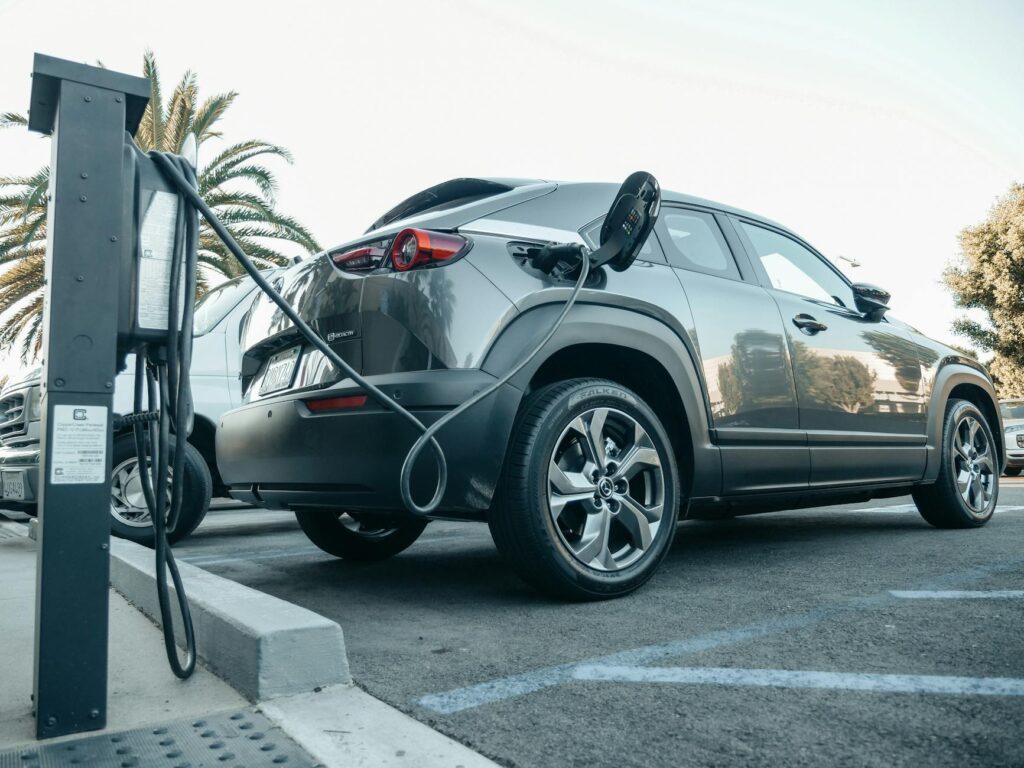
Electric vehicles are no longer just futuristic status symbols. In 2026, EVs have become mainstream across the United States, with more drivers asking one important question:
“Is now finally the right time to buy an electric vehicle?”
The answer depends on where you live, how much you drive, and which incentives your state offers. For some Americans, switching to an EV could save thousands of dollars over the next few years. For others, the numbers still don’t fully add up.
We looked at federal tax credits, state rebates, electricity costs, gas prices, charging infrastructure, and ownership expenses across the country to find out whether buying an EV in 2026 is truly a smart financial move.
Why EV Ownership Looks Different in Every State
Not all EV buyers in America get the same deal.
A driver in California might receive generous state incentives, access to thousands of charging stations, and lower maintenance costs. Meanwhile, someone in another state could face higher electricity rates and fewer charging options.
That’s why the “best time” to buy an EV depends heavily on geography.
In 2026, the average new EV price has dropped compared to previous years, while battery technology has improved significantly. At the same time, gasoline prices remain unpredictable, pushing many families to reconsider traditional cars.
The Federal EV Tax Credit Still Matters in 2026
The federal government continues offering tax incentives for qualifying electric vehicles under clean energy programs.
Eligible buyers can still receive up to $7,500 in federal tax credits on certain new EV models, while some used EVs may qualify for smaller credits.
However, there are important conditions:
Vehicle price caps apply
Income limits exist for buyers
Some EVs qualify only if battery sourcing rules are met
Leasing often unlocks additional savings
For many middle-class American households, this federal incentive alone can dramatically reduce the upfront cost of switching to electric.
States Where EV Buyers Save the Most Money
Some states have gone all-in on electric vehicle adoption. These places offer major rebates, lower charging costs, and excellent infrastructure.
California
California remains one of the best states for EV ownership in 2026.
Why?
Large state rebates
Extensive fast-charging networks
High gas prices make EV savings more noticeable
Strong resale market for electric cars
For commuters driving long distances, the savings can become substantial over time.
Colorado
Colorado continues to offer some of America’s strongest EV tax incentives.
Many buyers can combine:
Federal credits
State tax rebates
Utility company incentives
That combination can lower the effective purchase price by several thousand dollars.
New Jersey
New Jersey is another standout because EV buyers often avoid sales taxes while benefiting from charging incentives and lower operating costs.
Washington
Washington offers favorable electricity pricing in many regions, making charging cheaper compared to gasoline ownership.
States Where EV Ownership Is More Challenging
Not every state makes EV ownership easy.
Wyoming
Wyoming has limited charging infrastructure and long driving distances between towns. For rural drivers, range anxiety remains a real concern.
Mississippi
Mississippi still lags behind in public charging access compared to national leaders.
North Dakota
North Dakota drivers often deal with harsh winters, which can temporarily reduce EV battery range.
That doesn’t mean EVs are impossible in these states — but ownership may require more planning.
The Real Cost Difference: Gas vs EV
The biggest long-term advantage of EVs is operating cost.
Most electric vehicles:
Require less maintenance
Avoid oil changes
Have fewer moving parts
Cost less per mile to “fuel”
Here’s a simplified example for the average American driver:
Expense Type
Gas Vehicle
Electric Vehicle
Fuel/Energy Per Year
Higher
Lower
Oil Changes
Required
None
Brake Wear
More frequent
Reduced
Engine Repairs
Possible
Minimal
Home Charging
Not applicable
Affordable in many states
For drivers covering 12,000–15,000 miles annually, the savings can become noticeable within a few years.
Electricity Prices Matter More Than You Think
One hidden factor many buyers overlook is electricity pricing.
States with cheap electricity often make EV ownership extremely attractive. But in states with expensive utility rates, charging costs can rise quickly.
For example:
Charging overnight during off-peak hours can cut costs dramatically
Home charging remains far cheaper than public fast charging
Apartment renters may face additional challenges
If you own a home with garage access, EV ownership becomes much more convenient.
What About Charging Infrastructure?
America’s charging network has expanded rapidly in recent years.
Major highways now feature fast-charging stations more frequently than ever before. Brands like:
Tesla
Ford
Rivian
Hyundai
have helped push EV adoption into the mainstream.
Still, charging accessibility varies heavily depending on the region.
Urban drivers usually have a much easier experience than rural Americans.
Are EV Batteries Still a Concern?
Battery anxiety has faded compared to earlier years.
Most modern EVs now offer:
250–400 miles of range
Improved battery durability
Better cold-weather performance
Longer warranty protection
Many automakers also guarantee EV batteries for 8 years or more.
For most daily commuters, range is no longer the major issue it once was.
Should Americans Buy an EV in 2026?
For millions of U.S. drivers, 2026 may actually be one of the best times yet to switch to electric.
An EV makes the most financial sense if:
You drive frequently
You can charge at home
Your state offers incentives
Gas prices remain high in your region
However, traditional gas or hybrid vehicles may still work better for:
Rural drivers
People without home charging
Drivers regularly towing heavy loads
Areas with limited charging infrastructure
The truth is simple: EV ownership is becoming increasingly practical, but it is not yet equally convenient everywhere in America.
Final Thoughts
The EV market in 2026 is far more mature than it was just a few years ago. Prices are becoming more competitive, charging stations are expanding, and government incentives continue helping buyers make the transition.
But the smartest EV decision depends on your state, lifestyle, and driving habits.
For many Americans, buying an EV today could mean lower long-term costs and less dependence on volatile gas prices. For others, waiting another few years may still make more sense.
Either way, one thing is clear — the electric vehicle revolution is no longer coming. It’s already here.