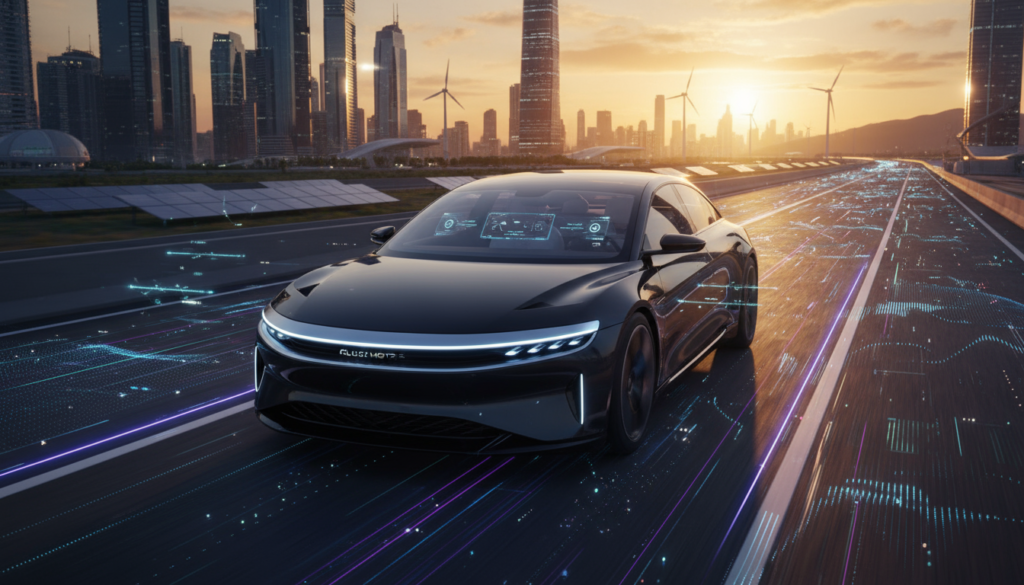
The electric vehicle industry is growing faster than ever before, and 2026 is proving to be one of the biggest years yet for EV adoption. What once seemed like futuristic technology is now becoming part of everyday life for millions of people across the world. Electric cars are no longer limited to wealthy buyers or technology enthusiasts. Today, regular families, students, office workers, and even long-distance travelers are seriously considering making the switch.
Over the past few years, the conversation around electric vehicles has changed dramatically. Earlier, people mostly talked about environmental benefits and reducing pollution. Now, the discussion is much more practical. Drivers want to know how much money they can save, how reliable EVs are, how fast they can charge, and whether electric vehicles make sense for daily life.
The answer for many consumers is becoming clearer every day.
With rising fuel prices, improving charging networks, better battery technology, and increasing competition among automakers, electric vehicles are quickly moving into the mainstream market. In many countries, EVs are no longer viewed as an alternative option — they are becoming the future of transportation.
The Massive Growth of the EV Industry
The electric vehicle market has expanded rapidly over the last decade, but 2026 feels different. This year marks a major turning point because electric cars are finally reaching everyday consumers on a larger scale.
Car manufacturers are investing billions of dollars into EV production. Almost every major automotive company now has electric vehicles in development or already available for sale. Companies that once focused entirely on gasoline-powered vehicles are now competing aggressively in the EV market.
This competition is helping consumers in several ways:
More affordable pricing
Better battery range
Improved safety features
Faster charging technology
More vehicle options
In the past, buyers had very limited choices when shopping for an electric car. Today, there are electric SUVs, pickup trucks, sports cars, compact city cars, and family-friendly crossovers available in many markets.
This wider selection is one of the biggest reasons why EV adoption is accelerating so quickly in 2026.
Rising Fuel Costs Are Pushing Drivers Toward EVs
One of the biggest factors behind the growth of electric vehicles is the increasing cost of gasoline and diesel fuel. Fuel prices remain unpredictable in many parts of the world, making traditional vehicles more expensive to operate.
For everyday drivers, fuel expenses can become a major financial burden over time. Commuters who travel long distances every day are especially feeling the pressure of rising gas prices.
Electric vehicles offer a different experience. Charging an EV at home is often significantly cheaper than filling a gasoline tank. Even public charging costs are usually lower than traditional fuel expenses in many regions.
This financial advantage is attracting many first-time EV buyers.
People are beginning to realize that the total ownership cost of an electric vehicle can actually be lower over several years. While some EVs still have higher purchase prices initially, lower fuel costs and reduced maintenance expenses help balance the difference.
For families trying to manage monthly budgets, this matters a lot.
EV Maintenance Costs Are Lower Than Many People Expect
Another reason why electric vehicles are becoming more popular is their lower maintenance requirements.
Traditional gasoline vehicles contain hundreds of moving parts inside the engine. These parts require regular servicing, oil changes, repairs, and replacements over time.
Electric vehicles are mechanically simpler.
EV owners usually do not need:
Engine oil changes
Exhaust system repairs
Transmission servicing
Spark plug replacements
Many engine-related repairs
Because electric motors have fewer moving components, maintenance costs are often lower compared to internal combustion engine vehicles.
Regenerative braking systems also help reduce brake wear. This means brake components may last longer than in traditional vehicles.
For drivers who want a low-maintenance ownership experience, EVs are becoming increasingly attractive.
Charging Infrastructure Is Expanding Quickly
A few years ago, one of the biggest concerns about EV ownership was charging availability. Many people feared they would run out of battery power without finding a charging station nearby.
This issue, commonly called “range anxiety,” is gradually becoming less serious.
Governments and private companies are investing heavily in charging infrastructure around the world. Public charging stations are now appearing in:
Shopping malls
Parking garages
Apartment complexes
Hotels
Office buildings
Highway rest stops
Gas stations
Fast-charging technology is also improving rapidly.
Modern fast chargers can now provide substantial driving range in a relatively short amount of time. Some newer EVs can recover hundreds of miles of range during a short coffee break.
This is changing how people think about electric vehicle travel.
Long road trips, which once seemed difficult with EVs, are becoming more practical every year.
Battery Technology Has Improved Dramatically
Battery technology plays a huge role in the success of electric vehicles, and 2026 is seeing major improvements in this area.
Earlier EV batteries were expensive, heavy, and offered limited driving range. Cold weather performance was also a concern for many drivers.
Modern EV batteries are much more advanced.
Manufacturers are developing batteries that are:
Safer
More durable
Faster to charge
More energy efficient
Better in extreme temperatures
Less expensive to produce
Lithium iron phosphate (LFP) batteries are becoming increasingly popular because they offer excellent durability and lower production costs.
At the same time, researchers continue working on solid-state battery technology, which could eventually improve range and charging speeds even further.
Battery warranties have also improved significantly. Many automakers now offer warranties lasting eight years or longer, giving consumers greater confidence in EV ownership.
Affordable EVs Are Finally Entering the Market
For a long time, electric vehicles were viewed as expensive luxury products. While premium EVs still attract attention, the market is shifting toward affordability.
In 2026, many automakers are focusing on budget-friendly electric vehicles designed for ordinary drivers.
Consumers are becoming more practical about what they want from an EV. Instead of demanding extreme performance or ultra-luxury interiors, many buyers simply want:
Reliable transportation
Good battery range
Comfortable seating
Easy charging
Affordable ownership costs
This shift in consumer behavior is encouraging manufacturers to develop simpler and more affordable EV models.
Compact electric SUVs and smaller crossover vehicles are especially gaining popularity because they offer a balance between practicality and efficiency.
As battery prices continue falling, experts expect affordable EV options to become even more common over the next few years.
Younger Generations Are Driving EV Popularity
Younger consumers are playing a major role in the electric vehicle movement.
Many younger drivers grew up in a digital world where smartphones, apps, and smart technology are part of everyday life. Electric vehicles naturally fit into this lifestyle because many EVs include:
App-based controls
Advanced touchscreen systems
Over-the-air software updates
Smart navigation features
Connected driving experiences
For younger buyers, EVs often feel more modern and future-focused compared to traditional vehicles.
Social media has also helped increase EV popularity. Videos showing silent acceleration, futuristic interiors, and innovative technology frequently attract millions of views online.
Many younger drivers also appreciate the environmental benefits of electric transportation, although financial savings remain one of the biggest deciding factors.
Environmental Awareness Is Still Important
While cost savings and technology are major reasons people buy EVs, environmental concerns still matter to many consumers.
Transportation remains one of the largest sources of carbon emissions globally. Governments and environmental organizations continue encouraging cleaner transportation solutions to reduce pollution and improve air quality.
Electric vehicles produce zero tailpipe emissions, which can help reduce pollution in cities and crowded urban areas.
Many countries are also increasing their use of renewable energy sources such as:
Solar power
Wind energy
Hydroelectric power
As electricity grids become cleaner, the environmental benefits of EVs become even stronger.
Consumers who care about sustainability often view electric vehicles as part of a larger shift toward cleaner living and modern energy solutions.
Automakers Are Competing Aggressively
Competition within the EV market is becoming intense.
Tesla remains one of the most recognized electric vehicle brands, but many traditional automakers are now launching strong competitors.
Companies such as Ford, Hyundai, Kia, BMW, Mercedes-Benz, BYD, Rivian, and others are all investing heavily in electric mobility.
This competition benefits consumers because companies are constantly trying to improve:
Vehicle range
Charging speed
Software quality
Interior comfort
Pricing
Safety systems
Automakers understand that EVs are no longer a niche market. They are fighting for long-term market dominance in what could become the future of the global automotive industry.
As a result, consumers now have more choices than ever before.
EV Technology Feels More Mature in 2026
One major reason why electric vehicles are gaining trust is that the technology feels more polished today.
Earlier EV models sometimes felt experimental or incomplete. Modern EVs are much more refined.
Manufacturers have improved:
Ride quality
Battery management systems
Charging reliability
Interior design
Software performance
Real-world driving range
Consumers are beginning to see EVs as dependable daily transportation rather than risky new technology.
This growing confidence is extremely important for mainstream adoption.
Challenges Still Exist
Despite rapid progress, the EV industry still faces challenges.
Charging access remains limited in some rural areas, especially in developing regions. Battery raw materials such as lithium and nickel also continue to face supply chain pressure.
Some consumers are still concerned about:
Long charging times
Battery replacement costs
Winter performance
Electricity infrastructure
However, the industry continues improving year after year.
Many experts believe these challenges will become less serious as technology advances and charging networks expand further.
The Future of Electric Vehicles
The future of electric transportation looks extremely strong.
Governments around the world are supporting EV adoption through incentives, infrastructure investments, and stricter emissions regulations.
Automakers are preparing for a future where electric vehicles may dominate new car sales in many markets.
Battery costs are expected to continue decreasing, which could make EVs even more affordable for average consumers.
At the same time, charging technology will likely become faster and more convenient.
Many industry experts believe the next decade could completely transform the automotive world.
For consumers, this means more innovation, lower ownership costs, and better driving experiences.
Final Thoughts
Electric vehicles in 2026 are no longer just a trend or experimental technology. They are becoming a practical, realistic option for everyday life.
People are switching to EVs for many reasons:
Lower fuel expenses
Reduced maintenance costs
Better technology
Improved charging access
Environmental awareness
Long-term financial savings
The EV industry still has room to grow, but the momentum is clearly increasing.
As battery technology improves and more affordable models enter the market, electric vehicles are expected to become even more common in the coming years.
For millions of drivers around the world, the transition toward electric transportation has already begun — and it may soon become the new normal.
FAQs
- Are electric vehicles worth buying in 2026?
Yes. Modern EVs offer better range, faster charging, lower maintenance costs, and improved reliability compared to earlier generations. - How long do EV batteries typically last?
Most electric vehicle batteries are designed to last many years, and many manufacturers provide warranties of eight years or more. - Is charging an EV cheaper than buying gasoline?
In many regions, yes. Charging an EV at home is often significantly cheaper than filling a gasoline-powered vehicle with fuel regularly. - Are affordable electric vehicles available now?
Yes. Many automakers are now producing budget-friendly EVs aimed at regular consumers and families. - What is the biggest advantage of owning an EV?
Lower running costs, quieter driving, reduced maintenance, and modern technology are among the biggest advantages of electric vehicle ownership.