EV News & Trends

Stay updated with the latest electric vehicle news and trends in the United States. Get real-time updates on new EV launches, policy changes, battery innovations, charging infrastructure, and market insights. This section covers everything shaping the future of electric mobility in America, helping you stay informed and ahead

EV News & Trends

Electrify America’s Next-Gen EV Charging Stations Are Bigger, Better, And Battery-Backed

The Future of EV Charging Is Arriving Faster Than Many Drivers ExpectedIf you’ve ever pulled into an EV charging station only to find a line of cars waiting, a charger temporarily unavailable, or charging speeds that weren’t quite as fast as promised, you’re not alone.As electric vehicle adoption accelerates across the United States, charging infrastructure has become one of the most important pieces of the transportation puzzle. Consumers love the idea of driving electric, but they also want confidence. They want to know they can travel long distances, recharge quickly, and get back on the road without stress.That’s exactly why Electrify America is making one of its most significant moves yet.The company is rolling out a new generation of EV charging stations that are larger, smarter, and supported by on-site battery energy storage systems. These next-generation charging hubs are designed to address some of the biggest challenges EV drivers face today while preparing for a future where millions more electric vehicles hit American roads.The announcement isn’t just another charging network upgrade. It represents a major shift in how public EV infrastructure will operate in the coming years.For EV owners, prospective buyers, and industry observers, this could be a glimpse into the future of charging in America.Why EV Charging Infrastructure Matters More Than EverThe electric vehicle market has evolved dramatically over the past few years.What was once considered a niche segment is rapidly becoming mainstream. Automakers are investing billions of dollars into EV development. New electric SUVs, pickup trucks, luxury sedans, and affordable commuter vehicles continue entering the market at an unprecedented pace.However, vehicle adoption is only one side of the equation.Drivers also need reliable charging access.Many potential buyers still cite charging concerns as one of the biggest reasons they hesitate to switch from gasoline-powered vehicles. While range anxiety has decreased thanks to larger batteries and improved efficiency, charging confidence remains a critical factor.That’s where networks like Electrify America play a major role.By expanding and modernizing public charging infrastructure, companies can help remove one of the final barriers preventing widespread EV adoption.What Makes Electrify America’s Next-Gen Charging Stations Different?The newest Electrify America charging stations aren’t simply larger versions of existing sites.They’re designed from the ground up to handle the next era of electric transportation.Several major improvements set them apart. Why Battery Storage MattersBattery-backed charging offers several advantages.Improved ReliabilityPower demand can fluctuate throughout the day.Battery storage helps smooth those fluctuations and maintain consistent charging performance.Drivers are less likely to experience reduced charging speeds during peak usage periods.Better Grid SupportAs EV adoption grows, utilities face increasing electricity demand.Battery systems can help reduce strain on local electrical infrastructure by storing energy during low-demand periods and delivering it during high-demand periods.Faster DeploymentIn some locations, upgrading grid infrastructure can take years.Battery storage can help charging providers deploy high-power charging stations more quickly while waiting for larger utility improvements.Renewable Energy IntegrationBattery storage pairs exceptionally well with renewable energy sources.As solar and wind generation expand, stored energy can help balance supply and demand more effectively.This creates a cleaner and more resilient charging ecosystem. The EV Industry Is Entering a New PhaseFor years, the EV conversation focused primarily on vehicle range.Could electric cars travel far enough?Could batteries last long enough?Would drivers feel comfortable leaving gasoline behind?Today, those questions are becoming less important.Modern EVs routinely exceed 250, 300, and even 400 miles of range.Now the focus is shifting toward charging convenience.Consumers increasingly want:Faster chargingMore charging locationsBetter reliabilityEasier payment systemsImproved station amenitiesElectrify America’s new charging hubs directly address these expectations.The company appears to recognize that the future isn’t just about installing more chargers.It’s about building better charging experiences.How These Stations Could Change Road TripsRoad trips remain one of the most important tests of any charging network.A commuter might charge primarily at home, but long-distance travel depends heavily on public infrastructure.Anyone who has driven hundreds of miles in an EV understands how valuable dependable charging can be.Imagine arriving at a charging station and finding:More available stallsFaster charging speedsLess waitingConsistent performanceReliable power deliveryThat experience reduces stress and increases confidence.For many Americans considering their first EV purchase, knowing that charging networks continue improving could become a major deciding factor.Supporting the Next Generation of Electric VehiclesThe automotive industry is evolving rapidly.Upcoming EVs will feature:Larger battery packsFaster charging capabilitiesLonger driving rangesAdvanced software integrationIncreased energy demandsCharging infrastructure must evolve alongside them.Building stations designed for yesterday’s vehicles would create bottlenecks tomorrow.Electrify America’s approach reflects long-term planning.Instead of merely responding to current demand, the company is preparing for future requirements.This forward-thinking strategy could prove essential as EV sales continue climbing throughout the decade. Benefits for ConsumersThe average driver may never think about battery energy storage systems or grid management strategies.What they care about is convenience.Fortunately, many of these technological improvements translate directly into consumer benefits.Key Consumer AdvantagesLess WaitingLarger stations mean more charging availability.Faster ChargingHigh-power chargers reduce stop durations.Greater ReliabilityBattery-backed systems can help maintain consistent performance.Better Travel ConfidenceExpanded infrastructure supports long-distance driving.Future-Proofed ExperienceNew stations are designed to accommodate next-generation EVs.For consumers, that’s a compelling combination.Challenges Still Facing EV Charging NetworksDespite exciting progress, challenges remain.The EV charging industry is still maturing.Several hurdles must be addressed.Grid ExpansionElectricity demand will continue increasing as EV adoption grows.Utilities and charging providers must coordinate infrastructure investments carefully.Rural CoverageMany charging stations remain concentrated around urban and suburban areas.Expanding access into rural regions remains a priority.StandardizationThe industry continues transitioning toward broader charging compatibility and improved interoperability.Drivers increasingly expect a seamless experience regardless of vehicle brand.Maintenance and UptimeReliability remains essential.Even the most advanced charging stations must maintain high operational standards.Addressing these challenges will be critical to sustaining consumer confidence.What This Means for America’s EV FutureThe significance of Electrify America’s next-generation charging stations extends beyond the company itself.These developments reflect broader industry trends.We’re witnessing the evolution of EV infrastructure from basic functionality toward premium user experiences.Future charging hubs may include:Integrated battery storageSolar power generationEnhanced customer amenitiesSmart energy managementUltra-fast charging capabilitiesFleet charging supportIn many ways, charging stations are becoming sophisticated energy hubs rather than simple refueling locations.This transformation is likely to accelerate over the next decade.Expert Outlook: The Rise of

EV News & Trends

Mitsubishi Motors to Debut New Electric Vehicle in North America, Vehicle to be Named “Eclipse Sportback”

A New Chapter Begins for Mitsubishi’s Electric FutureThe electric vehicle market in North America is moving faster than ever. Almost every major automaker is racing to secure its place in an increasingly competitive EV landscape. Some brands are introducing entirely new electric platforms, while others are reviving familiar names to capture the attention of modern drivers.Now, Mitsubishi Motors is preparing to make a statement of its own.The company’s announcement that it will introduce a new electric vehicle for North America under the name Eclipse Sportback has generated significant excitement among EV enthusiasts, longtime Mitsubishi fans, and consumers looking for more affordable electric alternatives.For many Americans, the Eclipse name brings back memories of one of Mitsubishi’s most recognizable vehicles. The name carries history, emotion, and a strong identity. Bringing that badge into the electric era signals that Mitsubishi is not simply launching another EV—it is attempting to reconnect with drivers while embracing the industry’s future.As electric vehicles continue gaining momentum across the United States and Canada, the arrival of the Eclipse Sportback could represent an important milestone for Mitsubishi’s long-term strategy.Let’s explore what this announcement means, why it matters, and how the Eclipse Sportback could impact the growing North American EV market.Why Mitsubishi’s EV Announcement MattersThe North American electric vehicle market has become one of the most important battlegrounds in the automotive industry.Consumers today have more EV choices than ever before. Established automakers and emerging brands are competing aggressively to attract buyers who want lower operating costs, advanced technology, and environmentally conscious transportation.However, despite growing competition, there remains a significant opportunity.Many EV buyers continue searching for:Affordable electric crossoversPractical family vehiclesLonger driving rangeFast charging capabilitiesReliable technologyRecognizable brandsThis is where Mitsubishi could potentially find its advantage.Historically, Mitsubishi has built a reputation around value-focused vehicles. While the company does not enjoy the same market share as larger rivals, it has often appealed to budget-conscious consumers seeking dependable transportation.An electric Eclipse Sportback could bring that philosophy into the modern EV era.The Evolution of the Eclipse NameThe Eclipse name carries considerable emotional value.For years, the Mitsubishi Eclipse was associated with sporty styling and youthful enthusiasm. It developed a loyal following and became one of the company’s most memorable vehicles.Automotive names often hold tremendous power.Consumers remember them.They create emotional connections.They tell stories.By using the Eclipse name once again, Mitsubishi is leveraging decades of brand recognition while introducing a vehicle designed for today’s market realities.Rather than recreating the sports coupe of the past, the Eclipse Sportback appears positioned to align with current consumer preferences, particularly the demand for crossover and SUV-inspired designs.This strategy mirrors what many automakers have done successfully by modernizing legacy nameplates for the electric age.Why Crossovers Dominate the EV MarketIf there is one lesson automakers have learned over the past decade, it is that Americans love crossovers.Crossovers combine many of the characteristics buyers want most:Higher seating positionBetter visibilityFamily-friendly practicalityFlexible cargo spaceComfortable ride qualityModern stylingElectric crossovers have become especially popular because they blend practicality with cutting-edge technology.The Eclipse Sportback enters a segment that continues to grow rapidly.Consumers who may have once considered traditional sedans are increasingly choosing compact and midsize crossover EVs instead.For Mitsubishi, targeting this category makes strategic sense.Mitsubishi’s Opportunity in the Affordable EV SegmentOne of the biggest challenges facing today’s EV market is affordability.Although electric vehicle adoption continues increasing, many consumers remain hesitant because of high purchase prices.Some electric models exceed $50,000, placing them outside the budget of average households.This creates a significant opportunity.If Mitsubishi can position the Eclipse Sportback as a competitively priced electric crossover, it could attract buyers who are interested in EV ownership but unwilling to spend luxury-level money.Potential target customers may include:First-time EV buyersYoung familiesCommuters seeking lower fuel costsBudget-conscious householdsExisting Mitsubishi ownersAffordability could become one of the vehicle’s strongest selling points.What Drivers Expect from the Eclipse SportbackAlthough complete specifications may not yet be available, consumers already have clear expectations for any new electric vehicle entering the North American market.Competitive Driving RangeRange anxiety remains one of the biggest concerns among EV shoppers.Most consumers now expect a practical electric crossover to deliver at least 250 miles of driving range, while many hope for figures closer to 300 miles or more.A competitive range would help Mitsubishi attract mainstream buyers.Fast Charging CapabilityCharging technology continues improving rapidly.Drivers increasingly want the ability to recharge during short stops rather than lengthy waiting periods.Fast-charging compatibility is likely to be essential for the Eclipse Sportback’s success.Modern TechnologyToday’s buyers expect advanced features, including:Large infotainment displaysWireless smartphone integrationConnected vehicle servicesNavigation systemsOver-the-air software updatesDriver assistance technologiesTechnology now plays a major role in purchasing decisions.Comfortable Interior DesignElectric vehicle buyers are no longer impressed by electrification alone.They want attractive cabins, quality materials, and thoughtful design.The Eclipse Sportback will likely need to deliver a modern interior experience that competes with established rivals.How EV Consumer Behavior Is Changing in AmericaThe EV market in 2026 looks dramatically different from just a few years ago.Consumers are becoming more informed.Many buyers now understand:Battery technologyCharging networksRange estimatesTotal ownership costsHome charging solutionsAs education increases, purchasing decisions become more sophisticated.Shoppers are evaluating factors such as:Long-Term SavingsElectric vehicles often reduce operating costs because electricity is generally cheaper than gasoline.Lower maintenance requirements can further improve ownership economics.ConvenienceHome charging offers convenience that traditional fuel vehicles cannot match.Many owners enjoy waking up each morning with a fully charged vehicle.SustainabilityEnvironmental awareness continues influencing purchasing decisions.Consumers increasingly consider carbon emissions and energy efficiency when selecting vehicles.The Eclipse Sportback enters a market where these priorities continue strengthening.Competition Will Be IntenseMitsubishi faces substantial competition.The North American EV crossover market already includes numerous well-known players.Consumers comparing electric crossovers often evaluate factors such as:RangePriceTechnologyWarranty coverageCharging accessBrand reputationTo succeed, the Eclipse Sportback must offer a compelling combination of these elements.Fortunately, Mitsubishi may benefit from entering the market at a time when EV infrastructure has improved significantly compared to earlier adoption phases.Public charging networks continue expanding, making electric ownership more practical than ever before.The Importance of Charging InfrastructureElectric vehicles are only as convenient as the charging ecosystem supporting them.Fortunately, North America has experienced major growth in charging availability.New stations continue appearing along highways,

EV News & Trends

The Kia EV3 Wins the Highest-Rated EV in a New German Comparison Test

Why This Compact Electric SUV Is Turning Heads Across the Global EV MarketThe electric vehicle market is evolving at a breathtaking pace. Every year, automakers launch new models promising better range, smarter technology, faster charging, and more value for drivers. Yet in a crowded field of impressive electric cars, only a few truly stand out.That’s exactly why recent news from Germany has caught the attention of EV enthusiasts worldwide.The Kia EV3 has emerged as the highest-rated electric vehicle in a new German comparison test, outperforming several established competitors and reinforcing Kia’s growing reputation as one of the most innovative brands in the EV industry.For many American consumers, this achievement may seem like just another award. But when a vehicle earns top marks in Germany—a country known for its automotive expertise and demanding standards—it sends a powerful message.The Kia EV3 isn’t simply another affordable electric SUV. It may represent the future direction of mainstream electric mobility.Let’s explore why this vehicle is making headlines, what helped it secure the top position, and what it could mean for EV buyers in the United States.The Growing Importance of Independent EV Comparison TestsElectric vehicles are no longer niche products.Consumers today have dozens of choices across various price points and vehicle categories. As a result, independent comparison tests have become increasingly valuable.These evaluations typically examine:Real-world driving rangeEnergy efficiencyCharging performanceInterior qualityTechnology featuresDriving dynamicsSafety systemsOverall valueUnlike marketing campaigns, comparison tests often reveal how vehicles perform in everyday situations.Germany has long been considered one of the most respected automotive markets in the world. Vehicles are judged rigorously, and consumers tend to have high expectations regarding quality, engineering, and reliability.When a new EV earns top recognition there, people around the globe pay attention.What Makes the Kia EV3 So Special?At first glance, the Kia EV3 looks like a smaller sibling to the larger Kia EV9.However, this compact electric SUV brings far more than just attractive styling.Kia designed the EV3 to deliver premium EV experiences at a price point that appeals to a much larger audience.That combination is proving incredibly powerful.A Design That Looks Like the FutureOne of the EV3’s biggest strengths is its distinctive design language.Many affordable EVs still play it safe.The EV3 doesn’t.Sharp lines, futuristic lighting elements, bold proportions, and a confident stance give the vehicle a premium appearance usually associated with more expensive models.The design immediately communicates innovation.For younger buyers especially, visual appeal remains a major factor when choosing an EV.The EV3 manages to feel modern without appearing overly experimental.Interior Quality That Exceeds ExpectationsStep inside the EV3, and the first impression is surprisingly upscale.Kia has spent years improving cabin quality across its lineup, and the EV3 benefits significantly from that experience.Key interior highlights include:Large digital displaysModern user interfaceSustainable materialsComfortable seatingThoughtful storage solutionsPremium-looking finishesMany reviewers have noted that the cabin feels more expensive than its expected price category.That’s an important advantage in today’s market.Consumers increasingly compare EVs not just against gasoline vehicles but against smartphones, tablets, and other advanced technologies they use daily.The EV3 delivers an environment that feels modern and connected.Range Anxiety Continues to MatterDespite years of progress, range anxiety remains one of the biggest concerns for potential EV buyers.People want confidence.They want flexibility.They want reassurance that their vehicle can handle daily commuting as well as longer trips.The Kia EV3 addresses these concerns effectively.Impressive EfficiencyOne reason the EV3 performed well in the German comparison test is its focus on efficiency.Instead of relying solely on larger battery packs, Kia has optimized aerodynamics, software management, and energy consumption.This strategy helps maximize driving range while keeping costs under control.For drivers, that means fewer charging stops and better overall usability.Why Efficiency Is Becoming More Important Than Raw Battery SizeFor years, EV manufacturers competed by offering larger batteries.Today, the conversation is changing.Efficiency has become equally important.A vehicle that travels farther while consuming less energy delivers several benefits:Lower operating costsReduced charging frequencyBetter environmental impactImproved long-term ownership experienceThe EV3’s strong efficiency scores likely contributed significantly to its success in Germany’s evaluation.This reflects a broader industry trend where intelligent engineering matters as much as battery capacity.Technology Plays a Major Role in the EV3’s SuccessModern electric vehicles are essentially computers on wheels.Consumers now expect sophisticated technology experiences.The Kia EV3 appears well-positioned in this area.Advanced Digital FeaturesDrivers can expect features such as:Over-the-air software updatesSmart navigation systemsConnected vehicle servicesDriver assistance technologiesIntelligent battery managementAdvanced infotainment functionsThese capabilities help keep the vehicle competitive long after purchase.Software is becoming one of the most important factors in EV ownership satisfaction.Kia understands this shift and has invested heavily in digital innovation.The Rise of Kia as a Global EV LeaderJust a decade ago, many consumers viewed Kia primarily as a value-oriented automaker.That perception has changed dramatically.The company’s transformation has been remarkable.Vehicles like the:Kia EV6Kia EV9Kia Niro EVKia EV3have helped establish Kia as a serious competitor in the global EV market.The success of the EV3 demonstrates that this progress is not slowing down.Instead, Kia appears to be accelerating its electric ambitions.How the EV3 Compares to Other Electric SUVsThe compact electric SUV segment has become one of the most competitive areas in the automotive industry.Consumers can choose from a growing list of options.Common competitors include models from:TeslaHyundaiVolkswagenVolvoRenaultBYDFordWhat makes the EV3 stand out is its balanced approach.Rather than dominating a single category, it performs exceptionally well across multiple areas.These include:DesignModern and distinctive styling.ValueStrong feature content relative to price.EfficiencyCompetitive energy consumption.TechnologyModern software and connectivity.PracticalityEveryday usability for families and commuters.This well-rounded nature often wins comparison tests because it reflects what consumers actually need.What This Means for American EV BuyersAlthough the German test occurred overseas, its implications extend far beyond Europe.American consumers are increasingly seeking affordable, practical electric vehicles.Not everyone wants a large luxury SUV.Not everyone needs extreme performance.Many households simply want:Good rangeReliable chargingModern technologyComfortable interiorsAffordable ownership costsThe Kia EV3 appears to align closely with these priorities.If Kia successfully expands availability and maintains competitive pricing, the vehicle could become a major player in the U.S. market.The Affordability Factor Could Be a Game ChangerOne challenge facing EV adoption is cost.While electric vehicles save money over time, purchase prices remain a barrier for

EV News & Trends

How BYD Overtook Tesla to Rule the EV World

The electric vehicle revolution once felt like a one-company race.For years, Tesla was the undisputed king of EVs. It changed how Americans viewed electric cars, turned EVs into status symbols, and pushed legacy automakers into panic mode. People didn’t just buy Teslas — they bought into a vision of the future.But something unexpected happened.While the world was busy watching Tesla dominate headlines, a quieter company from China was building an empire behind the scenes. That company was BYD.Today, BYD is no longer “the company chasing Tesla.” In many ways, it has already surpassed it. BYD now sells more electrified vehicles globally, expands faster into international markets, controls more of its supply chain, and is becoming one of the most powerful forces in the future of transportation.And for American readers, this story matters more than ever.Because the rise of BYD is not just about cars. It’s about technology, global manufacturing, battery innovation, affordability, geopolitics, and the future of the entire EV industry.The question is no longer whether BYD is a serious threat to Tesla.The real question is: how did BYD overtake Tesla to rule the EV world?The EV World Tesla CreatedTo understand BYD’s rise, you first have to understand Tesla’s impact.When Tesla launched the Model S, EVs stopped looking boring. Suddenly, electric cars became fast, premium, futuristic, and desirable.Tesla achieved what many thought was impossible:It made EVs coolIt forced traditional automakers to reactIt accelerated battery innovationIt built one of the world’s strongest automotive brandsFor nearly a decade, Tesla operated like a tech company disguised as a carmaker. Its software-first mindset, over-the-air updates, Supercharger network, and aggressive innovation strategy gave it a massive lead.Meanwhile, many competitors struggled to keep up.But while Tesla focused heavily on premium vehicles and global hype, BYD focused on something else entirely: scale, efficiency, and affordability.That difference changed everything.What Is BYD and Why Was Nobody Paying Attention?BYD started long before most Americans had ever heard of it.Founded in 1995, BYD originally built rechargeable batteries. In fact, the company became one of the world’s largest battery manufacturers before it seriously entered the car business.That battery expertise would later become BYD’s biggest weapon.Unlike many automakers that rely heavily on suppliers, BYD learned how to control almost every part of the production process internally. Batteries, semiconductors, electric motors, software systems — BYD invested deeply in vertical integration years before it became a trendy business strategy.For a long time, Western consumers ignored BYD because its vehicles weren’t competing directly in the United States or Europe at the same scale as Tesla.But inside China — the world’s largest EV market — BYD was quietly becoming unstoppable.And once it mastered China, global expansion became the next logical step.China Became the Perfect EV BattlefieldOne of the biggest reasons BYD overtook Tesla is simple:China moved faster than almost anyone expected.The Chinese government aggressively supported electric vehicle adoption through subsidies, infrastructure investment, manufacturing incentives, and industrial policy. Cities pushed EV adoption to reduce pollution and dependence on imported oil.At the same time, Chinese consumers embraced EV technology rapidly.That created the perfect environment for companies like BYD to scale at lightning speed.Tesla entered China and achieved major success with its Shanghai Gigafactory. But BYD had one enormous advantage: it already deeply understood the local market.BYD knew what Chinese consumers wanted:Affordable EVsReliable battery performancePractical designsTechnology-rich interiorsCompetitive pricingInstead of focusing only on premium buyers, BYD attacked nearly every market segment.That strategy helped it reach millions more consumers.BYD’s Biggest Secret: It Controls the Battery GameIf Tesla made the modern EV famous, BYD mastered the economics behind it.And in the EV world, batteries are everything.Battery costs determine:Vehicle pricingProfit marginsDriving rangeProduction scalabilityLong-term competitivenessThis is where BYD became incredibly dangerous.The Blade Battery Changed the ConversationBYD introduced its famous Blade Battery, which quickly became one of the company’s defining innovations.The Blade Battery uses lithium iron phosphate (LFP) chemistry, which offers several advantages:Lower costImproved safetyLonger lifespanReduced fire riskLess dependence on expensive materials like nickel and cobaltAt first, some critics viewed LFP batteries as inferior because they typically offered lower energy density compared to premium lithium-ion alternatives.But BYD proved something important:Most consumers care more about affordability, safety, and reliability than maximum performance numbers.That realization helped BYD scale much faster.Ironically, even Tesla eventually began adopting LFP battery technology for some of its vehicles.That alone showed how much the industry was shifting.Tesla Focused on Innovation. BYD Focused on Domination.Tesla and BYD approached the EV market very differently.Tesla built aspiration.BYD built infrastructure.Tesla focused heavily on:Brand identitySoftware innovationAutonomous driving ambitionsPremium EV experiencesBYD focused on:Manufacturing efficiencySupply chain controlAffordable pricingMass-market adoptionIn many ways, BYD behaved more like a traditional industrial powerhouse combined with modern EV technology.And that combination became extremely effective during global supply chain disruptions.When other automakers struggled with shortages, BYD often maintained stronger production stability because it controlled so much internally.That operational strength helped BYD expand aggressively while competitors slowed down.Affordable EVs Became BYD’s SuperpowerOne of Tesla’s biggest challenges is affordability.Even though Tesla reduced prices multiple times, many Americans still see Teslas as expensive vehicles. Insurance costs, financing rates, and higher upfront pricing continue to limit mass adoption.BYD attacked the market from the opposite direction.The company focused heavily on lower-cost EVs that ordinary consumers could realistically afford.That strategy unlocked enormous demand.For many global buyers, BYD vehicles represented:Better valueMore accessible pricingCompetitive technologyPractical daily usabilityIn developing markets especially, affordability matters more than luxury branding.This is one reason BYD expanded so rapidly across:Southeast AsiaLatin AmericaEuropeAustraliaMiddle Eastern marketsTesla remained strong in premium segments, but BYD started winning the broader volume war.And in the automotive industry, volume often decides long-term dominance.BYD’s Expansion Beyond China Is Accelerating FastFor years, critics argued that BYD’s success only mattered inside China.That argument is becoming weaker every year.BYD is now aggressively expanding internationally.The company has entered or expanded in:BrazilMexicoThailandGermanyAustraliaJapanUnited Kingdom marketsIts electric buses are already operating in multiple countries, including parts of the United States.This matters because global EV leadership is no longer just about one country. It’s about manufacturing scale, battery supply chains, and worldwide reach.BYD understands this clearly.Instead of relying only on exports, the company is increasingly investing
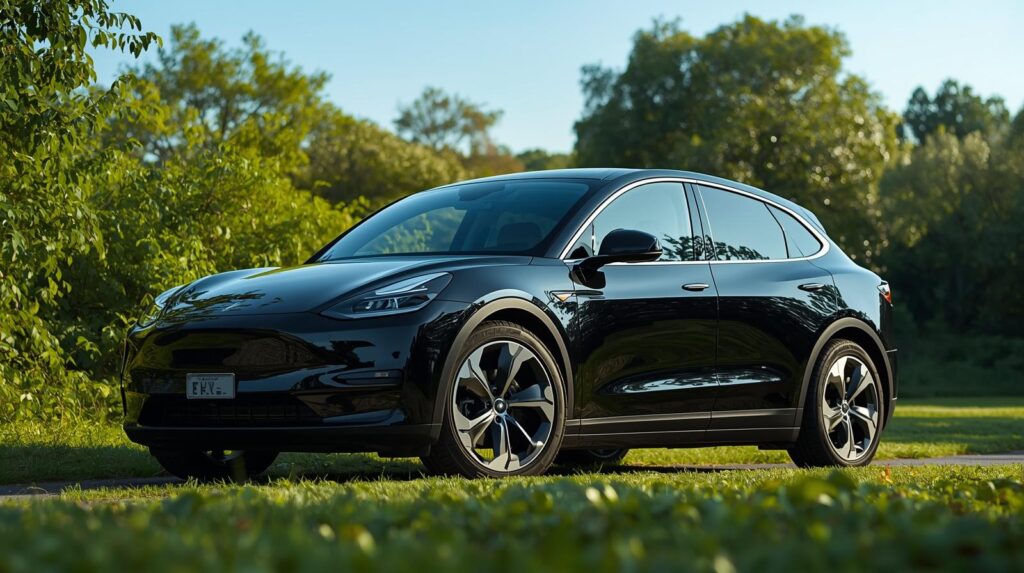

electric vehicle in zade black
EV News & Trends

Volvo Opens US Orders for EX60 — A Bold New Rival to the Rivian R2 Starts at $58,400

The electric vehicle market in America is entering a completely different era. Just a few years ago, EV buyers had limited choices unless they wanted a Tesla. Now, the competition feels intense, exciting, and surprisingly emotional. Carmakers are no longer just building electric cars — they’re building identities, lifestyles, and experiences around them.That’s exactly why the announcement of the new Volvo EX60 matters so much.Volvo has officially opened U.S. orders for the EX60, positioning it directly against the highly anticipated Rivian R2. With pricing starting at $58,400, the EX60 enters one of the hottest EV battlegrounds in America: premium midsize electric SUVs.And honestly? This launch feels bigger than just another EV release.For many American drivers, the EX60 represents something different. It’s not trying to be flashy. It’s not trying to dominate social media with wild acceleration numbers or futuristic gimmicks. Instead, Volvo is doubling down on what it has quietly done better than most automakers for decades: safety, comfort, trust, and Scandinavian simplicity.At the same time, Rivian’s R2 has already captured the imagination of younger EV buyers who want adventure, technology, and a more rugged personality. That creates a fascinating clash between two very different visions of the future electric SUV.One leans toward calm luxury.The other leans toward outdoor freedom.And now American consumers finally get to choose.Why the Volvo EX60 Launch Matters in the U.S. EV MarketThe timing of Volvo’s EX60 rollout couldn’t be more strategic.The U.S. electric vehicle market is shifting fast. Early EV adopters already bought their Teslas, Lucids, or Ford Mustangs Mach-E models. The next wave of buyers wants something more practical, refined, and emotionally comfortable.That’s where the EX60 enters the conversation.Volvo understands that many Americans are interested in EVs but still nervous about making the switch. Range anxiety, charging infrastructure, long-term reliability, software bugs, and overwhelming technology remain major concerns.The EX60 appears designed specifically to calm those fears.Instead of reinventing driving, Volvo is trying to make EV ownership feel natural.That approach could become a huge advantage in 2026 and beyond.Volvo EX60 Price and Trim DetailsVolvo confirmed that U.S. orders for the EX60 now begin at $58,400 before destination charges and optional packages.That places the EX60 directly in premium EV territory, competing with vehicles like:Rivian R2Tesla Model YBMW iXAudi Q6 e-tronCadillac LyriqHowever, Volvo seems less interested in winning a price war and more focused on value perception.The company is betting that buyers will pay extra for:Scandinavian interior designAdvanced safety systemsPremium cabin materialsQuiet ride qualityTrusted brand reputationFamily-focused engineeringRefined software experienceThat strategy could work especially well with suburban American families upgrading from luxury gas SUVs.The EX60 vs Rivian R2 Battle Is More Interesting Than People RealizeAt first glance, comparing the EX60 and R2 feels simple. Both are midsize electric SUVs targeting modern American drivers.But emotionally, these vehicles are aimed at completely different personalities.The Volvo EX60 PersonalityThe EX60 feels designed for drivers who want peace.It’s for people who:Want comfort during long commutesCare deeply about family safetyPrefer minimalistic interiorsDon’t need attention everywhere they goAppreciate premium craftsmanshipWant technology without chaosVolvo’s design language has matured beautifully over the past decade, and the EX60 continues that trend. The cabin reportedly focuses on clean surfaces, calming ambient lighting, sustainable materials, and a distraction-free driving experience.In many ways, it feels like the “anti-chaotic EV.”The Rivian R2 PersonalityMeanwhile, the R2 appeals to buyers craving excitement and adventure.The R2 targets drivers who:Love road tripsEnjoy outdoor lifestylesWant rugged stylingCare about utility and cargo flexibilityLike tech-forward experiencesWant a younger, more adventurous brand imageRivian has successfully built an emotional identity around exploration. Even people who never go camping still love the feeling that they could.That emotional marketing matters.And it sets up one of the most fascinating EV rivalries America has seen in years.Volvo’s Biggest Strength Might Be TrustOne thing many EV discussions overlook is emotional trust.Buying an electric vehicle still feels risky to many Americans. Gas vehicles are familiar. People understand them. They know how they behave during winter, long drives, repairs, and emergencies.EVs still feel new.Volvo enters this space with a massive advantage: credibility.For decades, Volvo has been associated with:SafetyReliabilityFamily protectionIntelligent engineeringCalm luxuryThat reputation matters enormously for buyers transitioning into electric mobility for the first time.A parent shopping for a family EV may feel more emotionally secure choosing Volvo over a newer EV startup.That doesn’t mean Rivian is weak. Far from it.But brand psychology matters more than many analysts realize.Expected Range, Charging, and PerformanceWhile complete U.S.-spec performance figures are still generating excitement, expectations for the EX60 are high.Industry analysts expect:Competitive EPA range estimatesFast DC charging capabilityDual-motor AWD optionsAdvanced battery efficiencySmooth acceleration rather than aggressive performance tuningVolvo typically prioritizes balanced driving dynamics instead of extreme acceleration numbers.That’s important because many EV buyers are beginning to move beyond the “0-60 obsession.” Real-world comfort, efficiency, ride quality, and charging convenience are becoming more important than raw speed.For daily American driving, refinement often matters more than supercar acceleration.And Volvo understands that shift perfectly.Volvo’s Software Strategy Could Be a Secret WeaponModern EVs are essentially computers on wheels.That reality has created major problems across the industry. Consumers increasingly complain about:Glitchy infotainment systemsSlow software updatesOvercomplicated interfacesTouchscreen overloadBuggy driver-assistance featuresVolvo appears determined to avoid those mistakes.The EX60 reportedly emphasizes intuitive software rather than overwhelming drivers with unnecessary digital complexity.That may sound small, but it’s actually huge.American buyers are getting tired of technology that feels exhausting. Many drivers simply want systems that work reliably every day without frustration.Volvo’s calmer software philosophy could become a major selling point.Sustainability Is Becoming More Personal for BuyersA few years ago, EV sustainability conversations felt mostly political or environmental.Today, it’s becoming personal.Many Americans now think about:Fuel savingsCleaner city airLower maintenanceLong-term energy independenceReduced household transportation costsVolvo has leaned heavily into sustainable manufacturing and recycled materials across its EV lineup.The EX60 continues that mission with:Eco-conscious interior materialsResponsible sourcing effortsLower-emission production goalsReduced lifecycle environmental impactInterestingly, consumers no longer want sustainability to feel boring or sacrificial.They want sustainable products that still feel premium.Volvo seems to understand that emotional balance very well.Why Mid-Size Electric SUVs Are Dominating AmericaThe midsize SUV category has become the center of the American

EV News & Trends

America’s EV Tax Debate Is Heating Up — And Drivers Could Soon Feel It

America’s electric vehicle movement is entering a completely new phase — and this time, the debate is not just about technology. It’s about money, politics, and how Americans will pay for transportation in the future.A newly proposed U.S. bill aims to introduce a nationwide annual tax for electric vehicle owners, while at the same time, some lawmakers are pushing to cut the federal gas tax down to zero. The conflicting ideas are creating confusion among drivers and raising major questions about the direction of the American auto industry.For millions of Americans, the situation feels complicated.Electric vehicles were promoted for years as the future of cleaner and more affordable transportation. Now, many drivers are wondering why EV owners could soon face new annual fees while gasoline drivers may receive tax relief at the pump.That contradiction is becoming one of the hottest transportation topics in America during 2026.The Proposed EV Fee Is Sparking National DebateUnder the new proposal, owners of fully electric vehicles would reportedly pay a yearly federal fee, while some hybrid vehicle owners could also face smaller charges.Supporters of the idea argue that electric vehicle owners should contribute more toward maintaining roads and highways because EV drivers do not regularly pay federal gasoline taxes like traditional vehicle owners.For decades, America’s road system has been funded largely through taxes collected on gasoline and diesel fuel. But as electric vehicles become more common, that source of money is slowly shrinking.Lawmakers pushing the proposal believe the government must prepare for a future where fewer people buy gasoline.From a financial perspective, the argument makes sense.But for many Americans, the emotional reaction is very different.Why Some EV Owners Feel FrustratedMany electric vehicle drivers feel they are being penalized after making environmentally conscious decisions.A large number of Americans purchased EVs to lower fuel expenses, reduce emissions, and support cleaner technology. Some now believe new annual fees could erase part of the financial advantage that attracted them to electric vehicles in the first place.For middle-class families already dealing with inflation, rising insurance costs, and expensive groceries, another yearly vehicle charge may feel unfair.Some critics also argue that certain proposed EV fees could end up costing drivers more annually than what many gasoline vehicle owners currently pay in federal fuel taxes.That comparison is fueling even more frustration online and across political discussions.The Push to Eliminate the Gas TaxWhile EV owners face possible new fees, another group of lawmakers wants to reduce financial pressure on gasoline drivers by temporarily eliminating the federal gas tax.The idea is simple: lower taxes could help lower prices at gas stations.For Americans commuting long distances every day, especially in suburban and rural areas, even small savings on fuel can make a noticeable difference over time.Supporters believe removing the gas tax could:Reduce transportation costsHelp working-class familiesLower pressure from inflationOffer quick economic reliefBut critics warn that reducing gasoline taxes could create serious funding problems for roads, bridges, and highway repairs.And politically, the situation looks unusual.Some Americans now feel the government may be encouraging gasoline use while making electric vehicle ownership more expensive.That perception alone could influence how consumers think about EVs moving forward.America’s EV Transition Suddenly Looks More ComplicatedThe electric vehicle industry in the United States was already facing challenges before this debate intensified.Consumers still worry about:Charging station availabilityLong-distance travelBattery replacement costsVehicle affordabilityCharging timesNow, uncertainty surrounding future taxes and incentives is making some buyers hesitate even more.People considering an EV purchase are beginning to ask new questions:Will electric vehicles remain affordable?Could future taxes continue increasing?Are government incentives disappearing?Is now still a smart time to switch to electric?When consumers feel uncertain, they often delay major financial decisions.That hesitation could slow EV adoption in certain parts of the country.The Bigger Issue Behind the DebateThis discussion is exposing a larger problem within America’s transportation system.For many years, gasoline taxes helped fund infrastructure projects across the nation. But modern transportation is changing faster than the funding system itself.Electric vehicles use little or no gasoline. Hybrid cars consume less fuel. Modern engines are becoming more efficient.As a result, the traditional fuel-tax model is generating less money over time.That means the United States may eventually need an entirely new transportation funding strategy.Some experts believe future systems could include:Mileage-based taxesRoad usage feesEV charging taxesVehicle weight-based feesHowever, many Americans remain skeptical about these ideas because they worry about privacy, government monitoring, and rising living costs.Automakers Are Watching CloselyCar manufacturers are paying close attention to this political battle.Major auto companies have invested billions of dollars into electric vehicle production, battery factories, and charging infrastructure. Sudden policy shifts could affect consumer confidence and long-term industry growth.If EV ownership becomes noticeably more expensive, some buyers may delay the transition away from gasoline-powered vehicles.At the same time, if fuel prices rise sharply again in the future, public interest in electric vehicles could quickly rebound.That uncertainty creates a difficult environment for both automakers and consumers.What This Means for Everyday AmericansFor regular drivers, this debate is becoming personal.Transportation is one of the largest monthly expenses for many households. Whether Americans drive gasoline vehicles or EVs, they want affordable and predictable costs.Right now, many people simply want clarity.They want to know:Which type of vehicle will save money long-termWhether EV incentives will continueHow future taxes may affect ownership costsWhat transportation in America will look like five years from nowUnfortunately, the answers are becoming more political and less predictable.Final ThoughtsThe growing battle over EV taxes and gasoline taxes reflects a country balancing between old systems and new technology.Some leaders believe traditional fuel-powered drivers deserve immediate financial relief through lower gas taxes. Others believe America should focus on accelerating electric vehicle adoption and preparing for a cleaner transportation future.Both sides are speaking to real concerns that affect millions of Americans every day.People want lower expenses. They want reliable transportation. They want stable roads and highways. And increasingly, they want smarter and cleaner vehicles too.The challenge now is finding a fair system that supports all drivers without slowing innovation.One thing is becoming clear: the conversation about how Americans pay for transportation is only beginning

EV News & Trends

The New Reality of Electric Vehicles in America: Why 2026 Could Change the Auto Industry Forever

The electric vehicle industry in the United States is entering a completely new phase in 2026. What once felt like a futuristic movement driven by technology enthusiasts has now become one of the biggest transformations in modern transportation. Electric cars are no longer limited to luxury buyers or environmental activists. Today, they are becoming part of everyday American life.From rising gasoline prices to changing government incentives, the EV market is evolving faster than most experts expected. Consumers are paying closer attention to fuel savings, battery performance, charging infrastructure, and long-term ownership costs. At the same time, automakers are competing aggressively to dominate the future of mobility.However, the EV revolution is no longer running on excitement alone.American consumers have become smarter and more cautious. Instead of buying electric vehicles simply because they are trendy, buyers now want practicality, affordability, reliability, and convenience. This shift is forcing the entire automotive industry to adapt quickly.In 2026, electric vehicles are not just changing how people drive — they are changing how America thinks about transportation itself.Why Electric Vehicles Are Still Growing Despite Market ChallengesOver the last few years, electric vehicles experienced explosive growth across the world. Governments promoted clean energy policies, fuel prices increased, and automakers invested billions into battery technology. For a while, it seemed like EV sales would continue rising without interruption.But 2026 has shown that the market is becoming more realistic.In the United States, EV growth slowed after several federal tax incentives were reduced or removed. Many buyers who previously depended on rebates suddenly became more hesitant. Higher interest rates and economic uncertainty also caused some Americans to delay expensive vehicle purchases.Still, this slowdown does not mean electric vehicles are failing.Instead, the market is moving into a more mature stage where products must prove their real-world value. Automakers can no longer rely only on government support or flashy marketing campaigns. They must now compete based on price, quality, driving range, charging convenience, and customer satisfaction.This new phase could actually make the EV industry stronger in the long run.Companies that survive this period will likely become the dominant automotive brands of the future.Rising Fuel Prices Continue To Push Americans Toward EVsOne major reason electric vehicles remain attractive is the unpredictable cost of gasoline.Many Americans are frustrated with constantly changing fuel prices. Even small increases in gas prices can significantly affect household budgets, especially for commuters who drive long distances daily.Electric vehicles offer a different experience.Charging an EV is often much cheaper than filling a gasoline tank every week. For drivers who can charge at home overnight, the savings become even more noticeable over time.This is especially important for middle-class families trying to reduce monthly expenses.Many EV owners also appreciate the reduced maintenance costs. Traditional gasoline vehicles require oil changes, engine servicing, transmission repairs, and other maintenance that electric vehicles typically avoid.As a result, more Americans are beginning to view EVs as long-term financial investments rather than luxury technology products.Affordable Electric Cars Are Becoming the Biggest Trend of 2026A few years ago, the EV market was dominated by expensive vehicles filled with futuristic features. Luxury brands attracted attention with giant touchscreens, self-driving experiments, and ultra-fast acceleration.But today’s buyers are looking for something different.In 2026, affordable electric vehicles have become one of the hottest trends in the automotive industry.Consumers want practical cars that fit their real lifestyles. They want electric SUVs for family use, compact crossovers for city driving, and dependable commuter vehicles that do not destroy their budgets.Automakers are finally responding to this demand.Several companies are now focusing on lower-cost EV models with decent range, simplified features, and more realistic pricing. Instead of competing only in the luxury category, manufacturers are trying to reach mainstream American consumers.This shift could become one of the most important moments in EV history.If electric vehicles become truly affordable for average families, adoption rates could rise dramatically over the next decade.Used EVs Are Opening the Market for Younger BuyersAnother important trend in 2026 is the rapid growth of the used EV market.For many younger Americans, buying a brand-new electric vehicle is still financially difficult. High monthly payments and rising insurance costs remain major concerns.However, used EV prices have started becoming more accessible.This change is allowing students, young professionals, and first-time buyers to enter the electric vehicle market for the first time. Many consumers who were previously interested in EVs but unable to afford them are now purchasing second-hand electric cars instead.The growing used EV market is helping normalize electric transportation across different income levels.It is also increasing public familiarity with battery-powered vehicles, which could accelerate adoption even further in the future.Tesla Still Leads the Industry — But Its Dominance Is Being ChallengedTesla remains one of the most influential companies in the EV industry, but the competitive landscape is changing rapidly.For years, Tesla dominated headlines with innovation, strong battery performance, and massive consumer excitement. Vehicles like the Model Y became symbols of the modern EV movement in America.But competitors are catching up.Traditional automakers such as Ford, Hyundai, Chevrolet, Kia, Toyota, and Rivian are investing heavily in electric technology. Many of these companies already have decades of manufacturing experience and strong dealership networks across the country.Consumers now have more EV choices than ever before.This increased competition is benefiting buyers because automakers are being forced to improve battery range, software quality, charging speeds, and pricing strategies.Some companies are focusing on rugged electric trucks. Others are prioritizing affordable city vehicles or family SUVs.The EV market is no longer controlled by a single brand.Instead, it is becoming one of the most competitive industries in America.America’s Charging Infrastructure Still Has Serious ProblemsDespite major progress, charging infrastructure remains one of the biggest concerns for EV owners in 2026.Many Americans still worry about charging accessibility during long-distance travel. Broken chargers, slow charging speeds, and crowded stations continue creating frustration for drivers.This issue is especially difficult for apartment residents and urban communities where home charging options are limited.Unlike gasoline vehicles, electric cars depend heavily on reliable charging networks. Without convenient charging access, many consumers hesitate to

EV News & Trends

An Eye-Opening Canadian Test Of The Kia EV4 Shows What The U.S. Is Missing Out On Thanks To Backwards EV Policies

Electric vehicles are no longer just futuristic experiments. For millions of drivers, they are becoming practical daily machines that save money, reduce fuel dependency, and make driving feel exciting again. But while countries like Canada are moving forward with smarter EV adoption, many Americans are discovering that some of the most promising electric cars may never officially arrive in the United States.One recent Canadian test drive of the Kia EV4 has sparked major conversations online — and for good reason. The compact electric sedan surprised reviewers with its real-world practicality, futuristic design, impressive efficiency, and affordability. More importantly, it highlighted a growing frustration among American EV fans: outdated policies in the U.S. are limiting access to some of the best next-generation electric vehicles.The Kia EV4 Feels Like The EV Many Drivers Have Been Waiting ForThe Kia EV4 is not trying to be a luxury spaceship. Instead, it focuses on what everyday drivers actually want:Long driving rangeAffordable pricingComfortable interiorModern technologyEasy city drivingLow charging costsCanadian testers praised how balanced the vehicle feels. Unlike oversized electric SUVs dominating North America, the EV4 offers a compact yet premium experience that fits urban lifestyles perfectly.For younger drivers, commuters, and families looking to escape rising gas prices, the EV4 represents something important: an EV that feels realistic rather than experimental.Why Canadians Are Getting Excited About ItCanada’s EV market has become increasingly attractive for automakers because of government incentives, infrastructure investments, and more flexible policies toward smaller and more efficient electric vehicles.In testing conditions that included cold weather driving — one of the biggest concerns for EV buyers — the EV4 reportedly delivered solid efficiency and dependable performance. That matters because cold climates often expose weaknesses in battery systems.The Canadian review also emphasized how refined the cabin feels for its expected price category. Minimalist displays, advanced driver assistance features, and smooth acceleration made the EV4 feel far more premium than many people expected.For many viewers, the biggest surprise was this:The EV4 looks like a car designed for normal people, not just wealthy early adopters.The U.S. May Miss Out Due To Complicated EV PoliciesThis is where the conversation becomes frustrating for American consumers.The United States has created a complicated EV environment filled with tax credit restrictions, manufacturing requirements, battery sourcing rules, and political battles over electric vehicles. While some policies aim to boost domestic production, critics argue they are also unintentionally reducing consumer choice.As a result, several highly anticipated global EV models may face delays, limited releases, or complete exclusion from the American market.That includes concerns surrounding vehicles like the Kia EV4.Many EV enthusiasts believe American policies are becoming too focused on political strategy instead of giving consumers affordable and efficient transportation options.Smaller EVs Are Winning Globally — But America Still Loves Giant VehiclesOne major reason the EV4 stands out is because it reflects a global trend the U.S. has been slow to embrace.Across Europe and parts of Asia, smaller electric cars are rapidly growing in popularity because they are:Easier to parkMore energy efficientLess expensiveBetter for crowded citiesFaster to chargeMeanwhile, the American auto market still heavily pushes massive SUVs and trucks.That creates a strange disconnect. While the rest of the world is building smarter and lighter EVs for everyday life, many U.S. consumers are being offered oversized electric vehicles with huge price tags.The EV4 proves there is another path forward.Why The Kia EV4 Could Be A Huge Success In AmericaIronically, the EV4 might actually perform extremely well in the United States if given the chance.There is a growing group of Americans searching for electric vehicles that are:Under budget-friendly price rangesStylish without being flashyReliable for commutingEfficient in real-world drivingPractical for apartment livingThe EV4 checks nearly all those boxes.Younger buyers especially are becoming more interested in compact EVs as inflation, housing costs, and fuel prices continue to pressure household budgets. Many simply cannot afford expensive luxury EVs anymore.This is why the Canadian test has generated so much attention online. It exposed a painful reality:Some of the most practical EVs in the world may stay out of reach for many American buyers.EV Policies Should Help Consumers — Not Limit ThemElectric vehicle adoption works best when drivers have choices.Competition improves pricing, encourages innovation, and gives consumers vehicles that actually fit their lifestyles. Restrictive systems can slow down adoption by making EV ownership feel complicated or inaccessible.The excitement surrounding the Kia EV4 shows there is massive demand for affordable, stylish, and realistic electric transportation.If policymakers truly want faster EV adoption, many experts argue the focus should shift toward:Expanding charging infrastructureSupporting affordabilityEncouraging competitionSimplifying incentivesHelping consumers transition graduallyBecause at the end of the day, drivers care less about political debates and more about whether a vehicle makes their daily life easier.Final ThoughtsThe Canadian test of the Kia EV4 did more than showcase a promising electric car. It revealed a larger issue shaping the future of transportation in North America.While countries like Canada continue embracing practical EV innovation, many Americans are watching from the sidelines wondering why some of the most exciting affordable electric vehicles remain difficult to access.The EV revolution is clearly moving forward worldwide.The real question is whether U.S. policies will evolve fast enough to keep up.

electric vehicle
EV News & Trends

64 New Evs charging station are announched by ohio.

Introduction The announching of new station is for making cost for living better as car gas are hiking prices You’re on a long drive across Ohio. Maybe heading to Columbus for work, Cleveland for a weekend, or just cruising down the highway with your playlist on full volume. Then it hits you… “Where do I charge my car?” For years, that question stopped many Americans from switching to electric vehicles. Range anxiety was real. Charging felt uncertain. And let’s be honest—no one wants to risk getting stranded. But things are changing—fast. With Ohio announcing 64 new electric vehicle (EV) charging stations, the game is shifting in a big way. This isn’t just about infrastructure. It’s about freedom, savings, and smarter living in a time when gas prices and cost of living keep rising. If you’ve been thinking about switching to an EV—or just curious about what this means for your wallet—this guide breaks it down in a real, practical, and human way. What Ohio’s 64 New EV Charging Stations Really Mean Ohio’s investment in EV infrastructure is part of a larger push across the U.S. to make electric driving more accessible and reliable. Key Highlights: 👉 In simple terms:Charging your car in Ohio is about to become easier, faster, and more convenient than ever before. Why This Matters for Everyday Americans Let’s bring this down to your daily life. Before: Now: This isn’t just infrastructure—it’s peace of mind. The Real Cost Impact: How EV Charging Saves You Money One of the biggest questions people ask: 👉 “Is it actually cheaper to drive electric in Ohio?” Let’s break it down. Gas vs Electric: Monthly Cost Comparison Gas Car (Ohio Average) Electric Vehicle (Charging) 💰 Monthly Savings: 👉 $100–$150 per month That’s: Fast Charging vs Home Charging: What’s Better? With new stations coming, this becomes important. Home Charging (Best for Savings) Pros: Cons: Public Fast Charging (Best for Travel) Pros: Cons: 👉 Smart strategy:Use home charging daily + public charging for trips Where Will These New Charging Stations Be Located? While exact placements vary, Ohio is focusing on: This means:👉 You’re no longer limited to big cities. Real-Life Scenario: How This Changes Your Travel Before Expansion: Jake from Ohio wanted to drive from Cincinnati to Cleveland. Problems: After Expansion: Now with new stations: 👉 Result: Confidence + Convenience Hidden Financial Benefits of More Charging Stations This is where things get interesting. 1. Increased EV Resale Value More infrastructure = higher demand 👉 Your EV becomes easier to sell in the future 2. Lower “Range Anxiety Cost” Sounds strange, but it’s real. When you’re not worried: 3. Boost in Local Economy Charging stations bring: 👉 Good for communities and long-term economic stability EV Adoption in the U.S.: The Bigger Picture Ohio isn’t alone. Across America: 👉 This is a nationwide shift—not a temporary trend. Are EVs Finally Practical for Everyone? Let’s be honest. A few years ago:👉 EVs weren’t practical for many people. But today? Thanks to Infrastructure Expansion: Who Benefits Most? Perfect for: Still Challenging for: Cost Breakdown: 5-Year Savings with EV in Ohio Let’s look at real numbers. Gas Car (5 Years) Electric Vehicle (5 Years) 💰 Total Savings: 👉 $8,000 over 5 years Add tax incentives:👉 Savings can exceed $12,000+ Smart financial moves- why is it so ?” This isn’t just about cars. It’s about: When you: 👉 You keep more money in your pocket. That’s a smart financial decision—not just a lifestyle upgrade. Common Concerns “What if charging stations are busy?” With 64 new stations:👉 Wait times will reduce significantly. “What about charging speed?” Fast chargers: Perfect for: “Is electricity really cheaper?” Yes—especially with: The Emotional Shift: From Stress to Freedom Let’s zoom out. Think about: That’s not just convenience. 👉 That’s freedom. And for many Americans, that’s exactly what they’re looking for right now. Conclusion: Is Ohio’s EV Expansion a Game-Changer? Absolutely yes . The decision for it is cost saving smart move for the people living there The announcement of 64 new EV charging stations isn’t just news—it’s a turning point. It means: If you’ve been on the fence about switching to an electric vehicle, this might be the sign you’ve been waiting for. Because in today’s world… 👉 The smartest decisions aren’t just about spending money.👉 They’re about saving it, growing it, and using it wisely. And with better infrastructure, lower costs, and real-life convenience… Electric vehicles are no longer the future. They’re the smart present. follow us for getting more updates.

EV News & Trends

Fuel Crisis 2026: What Catherine King Reveals About Gas Prices, EV Incentives & How Americans Can Save Thousands

Introduction: Why Americans are feeling fuel crises as a personal in 2026 If you’ve filled up your gas tank recently, you’ve probably felt that quiet frustration. You pull into a station… glance at the price… and suddenly that quick $20 top-up turns into $70 or more. For many Americans, this isn’t just an inconvenience—it’s a lifestyle shift. Weekend trips are being reconsidered. Daily commutes feel heavier. And budgets? Tighter than ever. Now, across the globe, leaders are grappling with the same issue. One voice gaining attention is Catherine King, who has been actively addressing fuel shortages and pushing electric vehicle (EV) incentives. But here’s the real question:What does her perspective mean for you—as a U.S. consumer trying to save money and make smarter lifestyle decisions? Let’s break it down in a real, practical way—no fluff, just honest insights that could help you save thousands of dollars in the coming years. Understanding the Global Fuel Crisis (And Why It Hits the U.S. Hard) What’s Actually Causing High Gas Prices? The current fuel crisis isn’t just about supply—it’s a mix of several factors: Even though the U.S. produces oil, global pricing still affects what you pay at the pump. Real Cost Impact for Americans Let’s make it real: For a household with two cars?You’re easily looking at $5,000+ per year just on gas. That’s not pocket change—that’s rent, investments, or a vacation. What Catherine King view on crises of oil A Shift Toward Long-Term Solutions Catherine King has emphasized one key idea: 👉 Fuel dependency is risky—and expensive. Instead of short-term fixes like subsidies alone, her focus has been: Why This Matters for Americans Even though she’s not a U.S. official, her policies reflect a global trend—and the U.S. is moving in the same direction. Think about it: The message is clear:Gas-powered cars are becoming more expensive to own long-term. EV Incentives in the U.S.: The Smart Money Move? How Much Can You Actually Save? Let’s compare gas vs EV costs in simple terms: Gas Vehicle (Average U.S.) Electric Vehicle 👉 Potential savings: $8,000–$10,000 over 5 years That’s a serious financial advantage. Hidden Costs of Gas Cars Most People Ignore 1. Maintenance Adds Up Fast Oil changes, engine repairs, transmission issues—it never ends. Typical annual costs: EVs? No oil. Fewer moving parts. 2. Price Volatility = Financial Stress Gas prices fluctuate constantly. One geopolitical event can spike prices overnight. With EVs, your “fuel” cost (electricity) is: 3. Depreciation Risk As EV adoption rises, gas cars may lose value faster. Think about it like this:Would you invest in outdated tech? Real-Life Example: A U.S. Driver’s Transition Meet Jake, a 29-year-old from Texas. He switched to an EV in 2025. Now: 👉 Annual savings: ~$2,500 Jake didn’t just save money—he reduced stress. No more gas station stops. No more price anxiety. Are EVs Really Affordable in 2026? Upfront Cost vs Long-Term Value Yes, EVs can be expensive upfront: But here’s the smart angle: After incentives: Budget-Friendly EV Options More automakers are entering the space with affordable models. Key trend:👉 EVs under $30,000 are becoming more common. Charging Infrastructure: Is It Reliable Yet? This is the biggest concern for most Americans. The Reality in 2026 Home Charging Cost Compare that to a $60–$80 gas fill-up. Fuel Crisis vs EV Future: A Side-by-Side Comparison Factor Gas Cars Electric Vehicles Fuel Cost High & unpredictable Low & stable Maintenance Expensive Minimal Incentives None Up to $7,500 Environmental Impact High Low Long-Term Cost Higher Lower 👉 The numbers don’t lie. Is Now the Right Time to Switch? You Should Consider an EV If: Maybe Wait If: What This Means for Your Financial Future The fuel crisis isn’t temporary—it’s a signal. A signal that: By learning from leaders like Catherine King, you can stay ahead of the curve. Conclusion: The Smart Choice Isn’t Just About Cars—It’s About Control At the end of the day, this isn’t just about gas vs electric. It’s about control over your money and your future. Gas prices will keep rising. That’s a reality. But your response? That’s your power. You can: The fuel crisis might feel frustrating—but it’s also an opportunity. An opportunity to rethink how you spend, drive, and live. And sometimes, the smartest financial decisions aren’t the obvious ones…they’re the ones that protect you long-term. controlling money saves your future. please follow us more more related ev news and upcoming informations.stay tune,

Scroll to Top