EV Guides

New to electric vehicles? This beginner-friendly section covers step-by-step guides, tips, and expert advice for EV buyers in the U.S. Learn how to choose, maintain, and maximize your electric car experience with confidence.

EV Guides

Used electric cars with longest battery life

Electric cars have officially moved beyond the “future technology” phase. They’re everywhere now — in suburban driveways, apartment parking lots, rideshare fleets, and even high school pickup lines. But while brand-new EVs grab headlines with futuristic dashboards and eye-popping acceleration, a quieter revolution is happening in the used EV market.And honestly? That’s where some of the smartest buyers are looking.The reality is simple: many Americans want to switch to electric without spending $50,000 or more on a new car. Rising fuel prices, lower maintenance costs, and expanding charging networks are pushing more drivers toward used electric vehicles than ever before.But there’s one big question hanging over the entire used EV market:Which used electric cars are actually reliable?That question matters more than range, touchscreen size, or even performance. Nobody wants to buy a used EV only to discover battery issues, software headaches, or expensive repairs six months later.The good news is that several electric vehicles have quietly proven themselves over time. Some models have aged incredibly well, delivering dependable performance even after years of daily driving.If you’re shopping for the most reliable used electric cars right now, this guide breaks down the EVs that owners continue to trust — and why they stand out in a rapidly growing market.Why Reliability Matters More in Used EVsBuying a used gasoline car usually means checking the engine, transmission, oil leaks, and maintenance history.Used EVs are different.Electric cars have fewer moving parts, which is a huge advantage. No oil changes. No spark plugs. No traditional transmission. No exhaust system. In many cases, maintenance costs are dramatically lower.But EV reliability still depends on a few critical factors:Battery healthThermal management systemsSoftware stabilityCharging performanceBuild qualityLong-term parts supportThe best used electric cars combine all of those factors into a package that still feels dependable years later.And surprisingly, some older EVs are holding up better than expected.What Makes an Electric Car Reliable Over Time?Before diving into the best models, it helps to understand what separates a dependable used EV from a risky one.Battery DegradationThis is the biggest concern for most buyers.Every EV battery loses some capacity over time. But the difference between a well-designed battery system and a poorly designed one can be massive.Reliable EVs typically lose battery range gradually rather than suddenly. Many modern electric cars still retain 85–90% of their battery capacity after several years.Thermal ManagementHeat is the enemy of lithium-ion batteries.EVs with advanced liquid cooling systems tend to age much better than older models that relied heavily on passive cooling.This is one reason why some early EVs aged poorly while others remained surprisingly strong.Software ReliabilityModern EVs are basically rolling computers.Reliable software matters because glitches can affect:ChargingNavigationBattery managementSafety systemsDriver assistance featuresThe best used EVs have stable software ecosystems and manufacturers that continue supporting older vehicles.Charging CompatibilityA reliable EV also needs easy charging access.Cars with broader charging compatibility and strong DC fast-charging support are much easier to live with long term. FAQs
EV Guides

Level 1 vs Level 2 vs DC Fast Charging – Which Is Best for Your Home? (2026 Guide)

Introduction: The Real Frustration EV Owners Don’t Talk About You finally make the switch to an electric car. No more gas stations. No more watching prices jump overnight. It feels like a smart, future-proof move. But then reality hits… You plug your car into a standard outlet, go to bed, wake up—and it’s still not fully charged. Now you’re wondering:“Did I choose the wrong setup?” Imagine this…You come home after a long day, plug in your EV, and by the time you wake up—it’s fully charged, ready to go, no stress, no waiting. Here’s the truth most people don’t realize:Choosing the right home charging setup matters just as much as choosing the right electric car. If you get it wrong, you’ll deal with slow charging, inconvenience, and frustration.If you get it right, you’ll experience the true freedom EVs promise. Let’s break it down clearly—Level 1 vs Level 2 vs DC Fast Charging—so you can decide what actually works for your home. Quick Comparison: Level 1 vs Level 2 vs DC Fast Charging If you want a fast answer: 👉 What this means for you is simple:For most U.S. homeowners, Level 2 charging is the sweet spot. But let’s go deeper. What Is Level 1 Charging? How It Works Level 1 charging uses a standard 120V household outlet—just like your phone charger. Charging Speed Pros of Level 1 Charging Cons of Level 1 Charging Real-Life Scenario Imagine you drive 40 miles daily.Level 1 charging may not fully recharge your car overnight. 👉 That means you start every day with less battery. What Is Level 2 Charging? How It Works Level 2 uses a 240V outlet (like a dryer or oven connection). Charging Speed Cost Breakdown (U.S.) Pros of Level 2 Charging Cons of Level 2 Charging Real-Life Scenario You come home at 7 PM, plug in your car, and by morning—it’s fully charged. 👉 No waiting. No planning. Just convenience. What Is DC Fast Charging? How It Works DC fast charging delivers high-voltage power directly to your battery. Charging Speed Cost (Home Setup) Pros of DC Fast Charging Cons of DC Fast Charging Real-Life Scenario This is what you see at highway charging stations—not in homes. 👉 For most people, it’s overkill. Side-by-Side Comparison (Easy Decision Table) Feature Level 1 Level 2 DC Fast Charging Voltage 120V 240V 400V+ Speed Very Slow Fast Ultra Fast Full Charge Time 24–40 hrs 4–8 hrs 20–60 mins Cost Very Low Moderate Very High Best For Light use Daily drivers Commercial use Which Charging Level Is Best for Your Home? If You Drive Occasionally Level 1 might work.But be prepared for slow charging. If You Drive Daily (Most People) Level 2 is the best choice. 👉 Here’s why: If You Want Maximum Speed DC fast charging sounds tempting—but it’s not practical for home use. 👉 Better to use public fast chargers when needed. Hidden Costs & Savings (What Most People Miss) Electricity Cost Savings Compared to Gas 👉 You could save hundreds every month. Pros & Cons Summary ✅ Best Choice: Level 2 Charging Pros: Cons: ❌ When Level 1 Makes Sense ❌ Why DC Fast Charging Isn’t Ideal for Home Is It Worth Installing a Home EV Charger? Here’s the truth most people ignore: Convenience is everything. Public charging sounds fine—until you have to wait in line or go out of your way. What this means for you is simple: A home charger isn’t just about speed—it’s about control, comfort, and freedom. Final Verdict: What Should You Choose? If you want: 👉 Go with Level 2 charging. If you’re just testing EV life:👉 Start with Level 1. If you’re thinking about DC fast charging at home:👉 Skip it—it’s not worth it for most homeowners. Conclusion: Your Charging Choice Shapes Your EV Experience Imagine this… You wake up every morning with a fully charged car. No stress. No waiting. No extra planning. That’s what the right charging setup gives you. The question isn’t just “Which charger is better?”It’s “What kind of daily experience do you want?” Because in the end, EV ownership isn’t just about saving money. It’s about making your life easier. FAQs (People Also Ask) please follow us for more informations

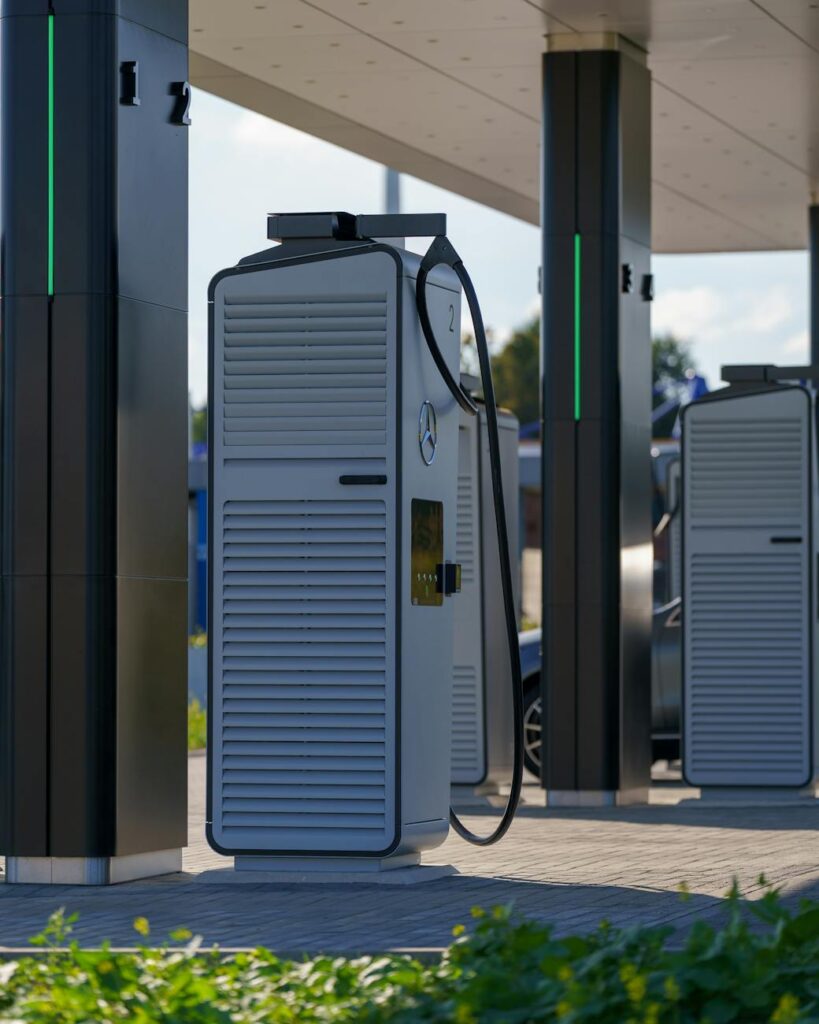
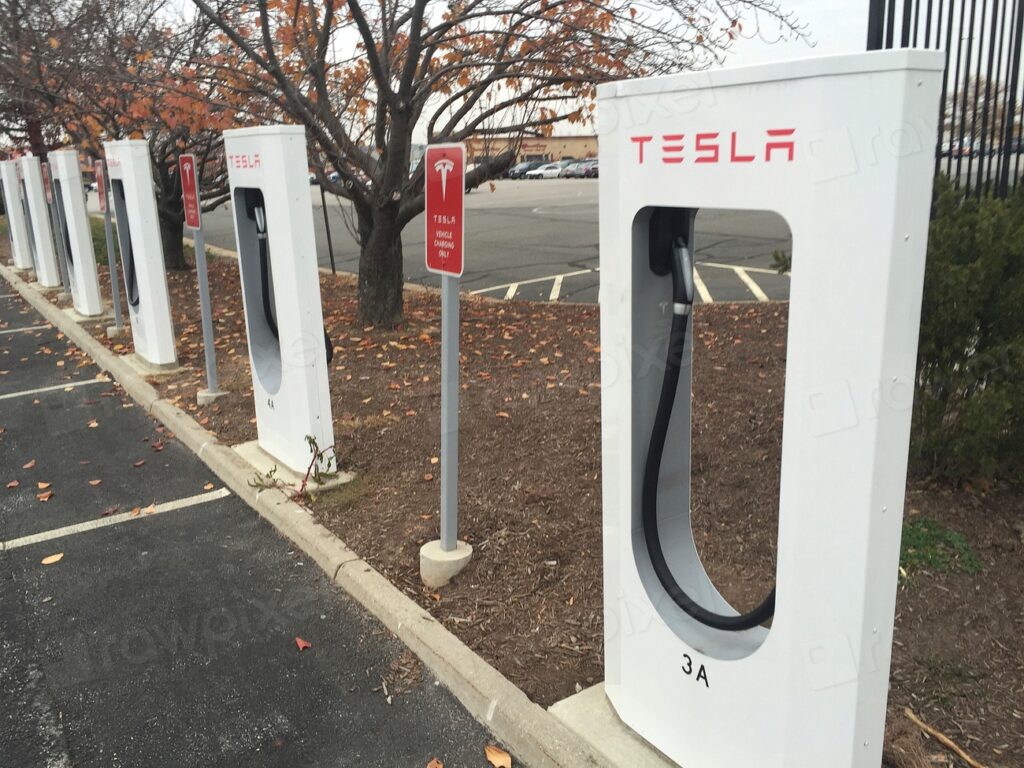
Electric car charging station located
EV Guides

Best Home EV Chargers in the U.S. (Level 2 Chargers Comparison 2026)

It’s 10:00 PM on a Sunday. You just got back from a weekend road trip to see family. Your gas-powered SUV is sitting on “E,” and you know tomorrow morning’s commute is going to cost you another $65 at the pump. You sigh, planning your detour to the station. Now, imagine a different reality. You pull into your garage, plug a small handle into your car, and walk inside. No detour. No smell of gasoline. No shivering in the cold while the tank fills. If you are one of the millions of Americans who finally bought an EV in 2025—or you’re planning to make the leap this year—you have arrived at the most important financial decision you’ll make besides the car itself: Which Level 2 home charger should you install? Here is the truth most people don’t realize: The charger that comes in your trunk is a toy. It adds about 3 miles of range per hour. You wouldn’t fill a swimming pool with a garden hose. Why would you charge a $50,000 battery that way? Let’s break down the best Level 2 chargers for 2026, how they save your sanity, and which one actually pays for itself. Why 2026 is the “Tipping Point” for Home Charging The landscape changed last year. In 2025, the federal NEVI program finally kicked into high gear, but more importantly, utility companies in Texas, California, and New York started offering time-of-use rates that make midnight charging cheaper than a cup of coffee. For a U.S. driver aged 25 to 45, convenience isn’t just a luxury—it’s a currency. You are busy. You work hybrid schedules. You have kids with soccer practice. Waiting 45 minutes at a public fast charger is a waste of your life. A Level 2 charger turns your home into a gas station. You wake up every single morning with a “full tank.” That feeling? That is financial freedom and time freedom combined. Level 1 vs. Level 2: The Brutal Math Before we compare brands, let’s look at the hard numbers. What this means for you: If you drive more than 40 miles a day (which most Americans do), you need Level 2. Don’t let anyone tell you otherwise. The Top 5 Best Home EV Chargers in the U.S. for 2026 We looked at durability (hot summers, cold winters), smart features, installation costs, and reliability. These are the units that won’t catch fire and won’t leave you stranded. 1. ChargePoint Home Flex (Series 2) Best for: Tech lovers and utility bill optimizers. ChargePoint has been the “Apple” of EV charging for years. The 2026 model finally fixed the flimsy cable issues of the 2023 version. 2. Grizzl-E Classic (2nd Gen) Best for: Northern winters and rugged reliability. There is a reason Canadians dominate this market. The Grizzl-E is ugly. It looks like a lunchbox from the 1990s. But it is sealed against rain, snow, and salt corrosion. 3. Tesla Universal Wall Connector Best for: Mixed households (Tesla + Non-Tesla). In 2026, this is the smartest buy for future-proofing. It has a built-in adapter (the “Magic Dock”) that works natively with NACS (Tesla’s plug) and J1772 (everyone else). 4. Emporia EV Charger (V2) Best for: Budget nerds who want data. Emporia took the market by storm in 2024/2025. The V2 improves the heat dissipation. 5. Wallbox Pulsar Plus (Ultra) Best for: Small garages and solar owners. This unit is tiny—about the size of a hardcover book. The Cost Breakdown: Out-of-Pocket vs. Long-Term Savings Let’s talk about the elephant in the room. Money. Wait, don’t close the tab. Here is why you do this anyway. The Math on a Tesla Model 3 (Driving 15,000 miles/year): Recovery time: Your charger and install pay for themselves in 12 to 18 months. After that, you are essentially driving for free compared to gas. Pros & Cons of Level 2 Home Charging (2026 Reality Check) Pros Cons How to Choose Based on YOUR Lifestyle (Not the Hype) Scenario A: You own a home in Phoenix or Houston. Scenario B: You have ADHD and always forget to plug in. Scenario C: You drive a Chevy Bolt and a Ford F-150 Lightning. Final Verdict: Is It Worth It in 2026? Yes. Unequivocally. The anxiety you feel about gas prices isn’t going away. OPEC is still volatile. Hurricanes still shut down pipelines. But your garage? That is a fortress of energy independence. If you want the safest bet for the next 5 years: Buy the Tesla Universal Wall Connector. Even if you hate Elon Musk, the hardware is superior. It has the longest cable, the highest amp rating (48A), and the NACS plug is now the official US standard (SAE J3400). Buying a J1772-only charger today is like buying an iPhone with a 30-pin connector in 2012. If you want the budget king: Buy the Emporia.

EV Guides

Best EV Charging Franchise Opportunities in the U.S. in 2026

Introduction: The Shift Is Happening—But Who’s Making Money From It? Gas prices creep up again, and suddenly everyone is talking about electric cars. Friends are switching to EVs. Neighbors are installing chargers at home. And every highway trip now includes a stop at a charging station instead of a gas pump. But here’s the part most people overlook… Someone owns those charging stations. Someone is making money every time a car plugs in. Imagine this:Instead of worrying about rising fuel costs, you’re earning from the very shift that’s replacing gas altogether. Here’s the truth most people don’t realize:You don’t have to build everything from scratch to enter this market. You can plug into an existing system through a franchise or network partnership—and start faster, with less risk. If you’ve been thinking about starting an EV business in the U.S., this guide will walk you through the best EV charging franchise opportunities, real costs, and how to choose the right one. What Is an EV Charging Franchise (and Is It Really a “Franchise”)? Before we dive into the list, let’s clear something up. Unlike fast-food chains, most EV charging businesses in the U.S. don’t follow a traditional franchise model. Instead, they operate through: That said, the opportunity works like a franchise—you get: 👉 What this means for you is simple:You don’t need to be a tech expert. You just need the right location and partner. Best EV Charging Franchise Opportunities in the U.S. 1. ChargePoint Why It Stands Out One of the largest EV charging networks in North America, widely trusted and used. Investment Range What You Get Best For Beginners who want a reliable, scalable entry point. 2. EVgo Why It Stands Out Focused on DC fast charging, ideal for high-traffic areas. Investment Range What You Get Best For Investors targeting premium locations like highways and cities. 3. Blink Charging Why It Stands Out Offers flexible business models and equipment ownership options. Investment Range What You Get Best For Small business owners and property managers. 4. Electrify America Why It Stands Out Backed by major investment, known for high-speed charging stations. Investment Range What You Get Best For Large investors or commercial developers. 5. Tesla Supercharger (Selective Access) Why It Stands Out Arguably the most recognized EV charging network. Investment Range What You Get Best For Property owners who can secure partnerships. Cost Breakdown: What You’ll Actually Spend Let’s simplify the numbers: Level 2 Setup (Entry Level) DC Fast Charging Setup 👉 Add franchise/network fees if applicable. Real-World Example (U.S. Scenario) Imagine you partner with ChargePoint and install 4 Level 2 chargers at a busy apartment complex: 👉 Monthly revenue: ~$6,000 – $9,000 Within 12–18 months, you could break even. Now imagine scaling that across multiple locations. How to Choose the Right EV Charging Franchise 1. Location First, Brand Second Even the best network won’t help if your location has no traffic. 2. Understand Your Budget Start with Level 2 if you’re new. Scale to fast chargers later. 3. Check Incentives Federal and state programs can reduce your cost by up to 30–80%. 4. Look at Network Fees Some companies take a percentage of revenue—factor that in. Pros & Cons of EV Charging Franchise ✅ Pros ❌ Cons Is an EV Charging Franchise Worth It? Let’s be real. This isn’t a hype-driven trend—it’s a long-term infrastructure shift. Here’s the truth most people ignore:The biggest profits in a new industry don’t go to users—they go to those who build the system. What this means for you is powerful: If you enter early, choose the right partner, and secure a strong location, you’re not just starting a business—you’re building a future-proof income stream. Final Verdict: Should You Invest? If you’re looking for: Then yes—an EV charging franchise can be a smart move. But only if you: Conclusion: This Is More Than a Trend—It’s a Shift Imagine five years from now… Electric vehicles dominate the roads. Charging stations are everywhere. And the best locations? Already locked in by early movers. The question is simple: Will you be someone still researching opportunities…Or someone who took action when the market was still open? Because right now, you’re not late.

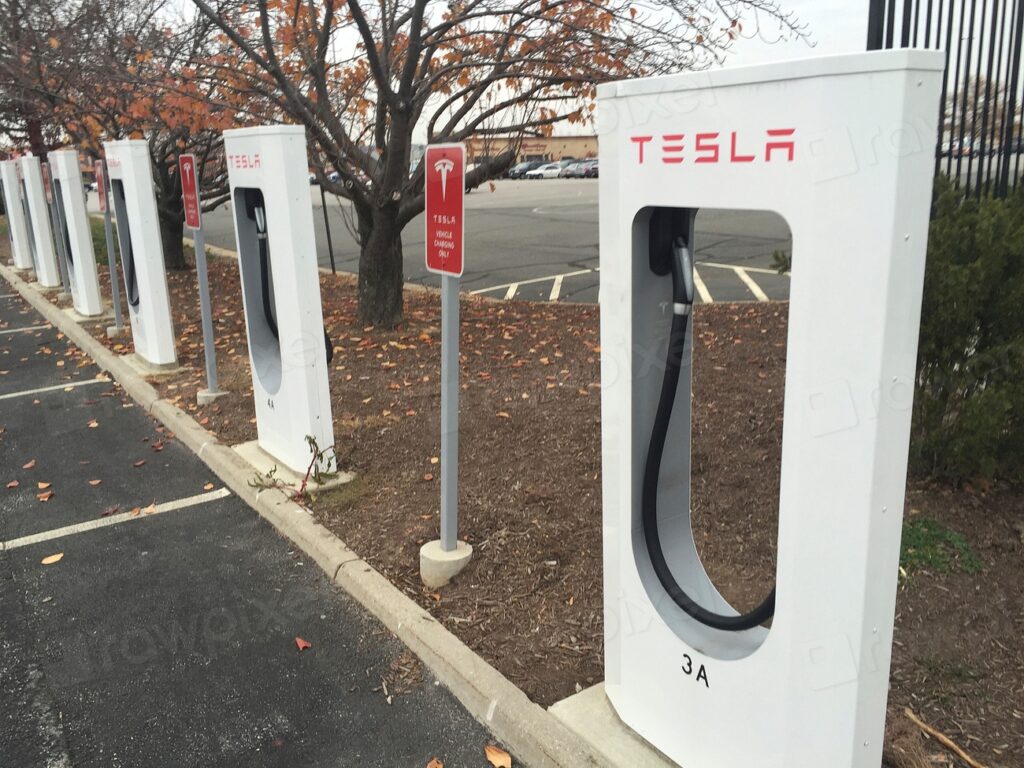
modern electric vehicle charging station outdoors
EV Guides

EV Charging Station Cost in the U.S. – Full Setup & ROI Breakdown (2026 Guide)

Introduction: The Real Question Isn’t “Can You Start?”—It’s “Is It Worth It?” Gas prices rise, fall, and rise again—and every time they do, more people start thinking about electric vehicles. But here’s something most people don’t talk about enough: Where are all these EVs going to charge? Now imagine this… You’re not just watching the EV boom—you’re earning from it. Every time someone pulls into your charging station, plugs in, and pays, you’re generating income. No inventory. No complicated logistics. Just electricity… turned into profit. But then reality hits:“How much does it actually cost to start an EV charging station in the U.S.?” Here’s the truth most people don’t realize:The cost isn’t just about buying a charger—it’s about building a system that generates consistent, long-term income. Let’s break it all down—clearly, honestly, and in a way that helps you decide if this is the right move for you. What Does It Really Cost to Start an EV Charging Station in the U.S.? The total cost depends on three main factors: Quick Answer (For Featured Snippet) But that’s just the surface. Let’s go deeper. Cost Breakdown: EV Charging Station Setup 1. Equipment Cost (The Charger Itself) Level 2 Chargers (Best for Beginners) DC Fast Chargers (High Investment, High Return) 👉 What this means for you is simple:Level 2 is easier to start. DC fast chargers are where serious money can scale. 2. Installation Costs (Where Most People Underestimate) This is where budgets often go wrong. 👉 Total installation range: 3. Location Costs (Hidden Factor) If you already own the property, you’re ahead. If not: 👉 Example:A charger at a busy shopping plaza in California can outperform 3 chargers in a low-traffic rural area. 4. Software & Network Fees To run your station smoothly, you’ll likely connect to a charging network. These platforms handle: 5. Maintenance & Operating Costs Total Cost Summary (Simple View) Level 2 Setup: 👉 $3,000 – $15,000 per charger DC Fast Charging Setup: 👉 $30,000 – $150,000+ per charger Government Incentives (This Can Change Everything) Here’s where things get interesting. The U.S. government and states offer incentives like: 👉 In some cases, you can reduce your cost by 30%–80%. What this means for you is powerful:You might start this business with far less capital than you think. Revenue Potential: How Much Can You Earn? Let’s talk real numbers—no hype. Example: Level 2 Charger 👉 Daily Revenue: $50 – $200👉 Monthly Revenue: $1,500 – $6,000 Example: DC Fast Charger 👉 Daily Revenue: $150 – $1,200👉 Monthly Revenue: $4,500 – $36,000 ROI Breakdown (Return on Investment) Level 2 ROI: 👉 Break-even: 6–12 months DC Fast Charger ROI: 👉 Break-even: 1–3 years Real-Life Scenario (U.S. Context) Imagine you install 3 Level 2 chargers at an apartment complex: Within a year, you could recover your cost—and after that, it becomes steady income. Now scale that to 10 chargers. This is how small setups turn into real businesses. Pros & Cons of EV Charging Station Business ✅ Pros ❌ Cons Is It Worth It? Let’s be honest. This isn’t a “get rich quick” business.But it is a “get ahead early” opportunity. Here’s the truth most people ignore: The biggest money in any industry is made by those who build the infrastructure—not just those who use it. And right now?EV infrastructure in the U.S. is still catching up. Final Verdict: Should You Start? If you’re looking for: Then yes—this is worth serious consideration. But only if you: What this means for you is simple: You’re not just investing in a charger—you’re investing in a system that could generate income for years. Conclusion: The Window Is Still Open—But Not Forever Imagine five years from now… EVs dominate the roads. Charging stations are everywhere. And the best locations? Already taken. The question is:Will you be someone looking for opportunities… or someone who acted early? Because right now, you’re standing at a rare point in time—Where a growing industry still has room for new players. And if you play it smart, this isn’t just a business. It’s a long-term asset. please feel free to email us for more information , we will guide through whole process

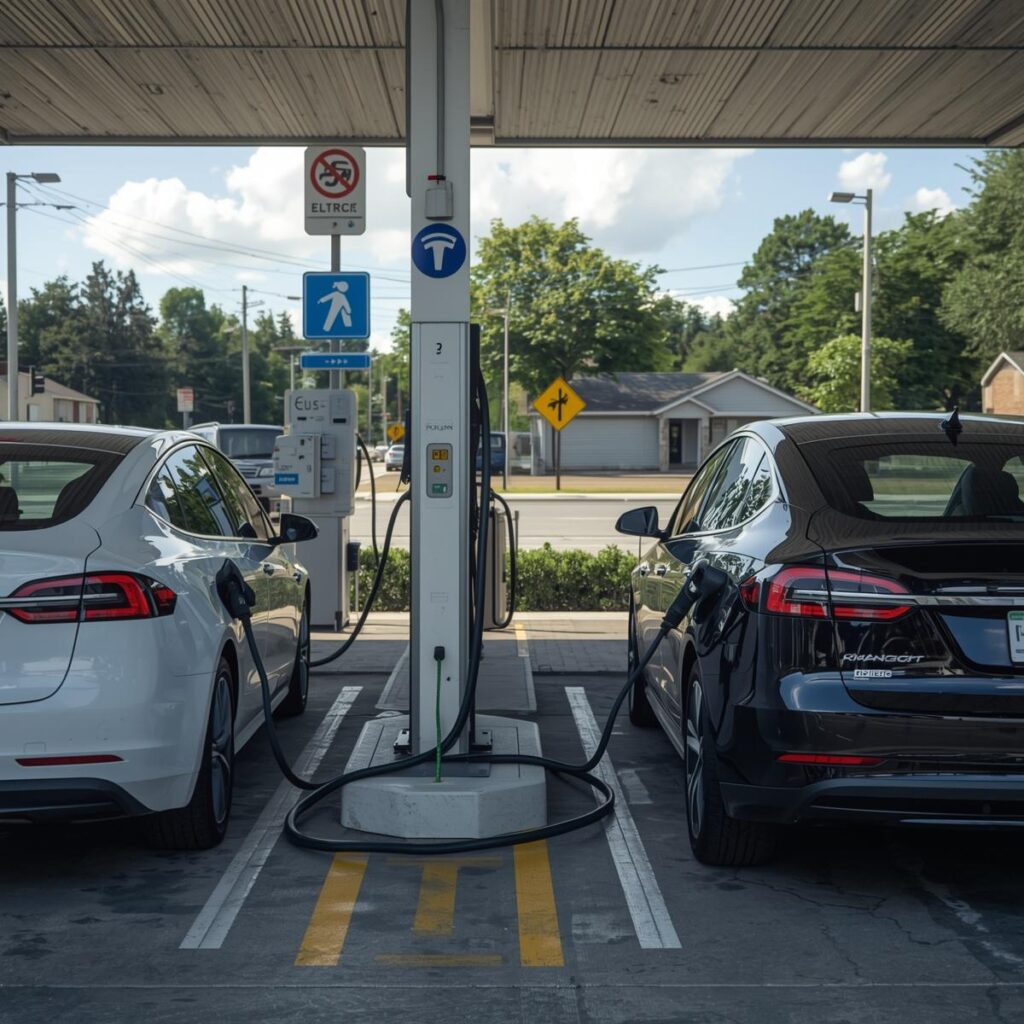
Electric car charging station located
EV Guides

How you can Start an EV Charging Station Business in the U.S.

Introduction: Why This Opportunity Feels Different Right Now Gas prices spike, fall, and spike again. Every time it happens, people rethink how they drive, what they buy, and where they spend their money. Meanwhile, electric vehicles are quietly becoming the new normal across America. Now imagine this… You’re not just saving money by driving electric—you’re earning from it. Every time someone plugs in their car at your station, you generate income. No chasing clients, no selling products door-to-door. Just a growing stream of EV drivers who need your service. Here’s the truth most people don’t realize:The biggest opportunity in the EV revolution isn’t just owning an electric car—it’s owning the infrastructure behind it. And that’s exactly what an EV charging station business offers. What Is an EV Charging Station Business? An EV charging station business is simple in concept: You install electric vehicle chargers at a location (home, parking lot, commercial space), and drivers pay to charge their vehicles. Think of it like owning a gas station—but cleaner, quieter, and increasingly in demand. Types of EV Chargers (You Need to Know This First) 👉 If you’re serious about business, Level 2 and DC fast chargers are where the money is. Why Start an EV Charging Business in the U.S.? The U.S. EV market is exploding—and it’s still early. Key Reasons This Business Makes Sense: What this means for you is simple:You’re entering a market that hasn’t peaked yet. Step-by-Step: How to Start an EV Charging Station Business 1. Choose the Right Location (This Can Make or Break You) Location is everything. The best-performing EV charging stations are placed where people already spend time: 👉 Example:A charger in a busy shopping center can generate more revenue than one on an empty roadside—even if both have the same equipment. 2. Decide Your Business Model There are 3 main ways to earn: Pay-Per-Use Customers pay per kWh or per session. Subscription Model Regular users pay monthly. Free Charging + Indirect Profit Attract customers to your business (like a café or hotel). 👉 Smart move: Combine pay-per-use + partnerships. 3. Understand the Cost (Real U.S. Estimates) Let’s break it down realistically: Level 2 Charger Setup: DC Fast Charger Setup: 👉 Yes, it’s a big investment—but returns can scale. 4. Apply for Permits & Incentives The U.S. government supports EV infrastructure heavily. You can benefit from: 👉 Many states cover up to 30%–80% of installation costs. This is where most beginners lose money—by not claiming incentives. 5. Choose the Right Charging Network Instead of building everything from scratch, you can partner with networks. Popular options include: These platforms handle: 👉 This saves time and makes your business scalable. 6. Install and Launch Once everything is ready: How Much Profit Can You Make? Let’s talk real numbers. Example Scenario: 👉 Daily Revenue: $50–$200👉 Monthly Revenue: $1,500–$6,000 Scale this to multiple chargers—and income multiplies. Pros & Cons of EV Charging Business ✅ Pros ❌ Cons Is This Business Right for You? Ask yourself: If yes, this could be one of the smartest moves you make in the next decade. Final Verdict: Is It Worth It? Here’s the truth most people ignore: Every major shift creates two types of people—Those who adapt early, and those who regret later. EVs are not “the future” anymore—they’re the present. And the infrastructure?Still catching up. What this means for you is powerful: You still have time to enter early, build authority, and create a steady income stream before the market becomes saturated. last but not the least Imagine looking back 5 years from now… EVs are everywhere. Charging stations are as common as gas pumps. And the best locations? Already taken. The question is:Will you be someone searching for opportunities… or someone who built one early? Starting an EV charging station business isn’t just about money.It’s about positioning yourself in a future that’s already unfolding. please follow us for more updates and information

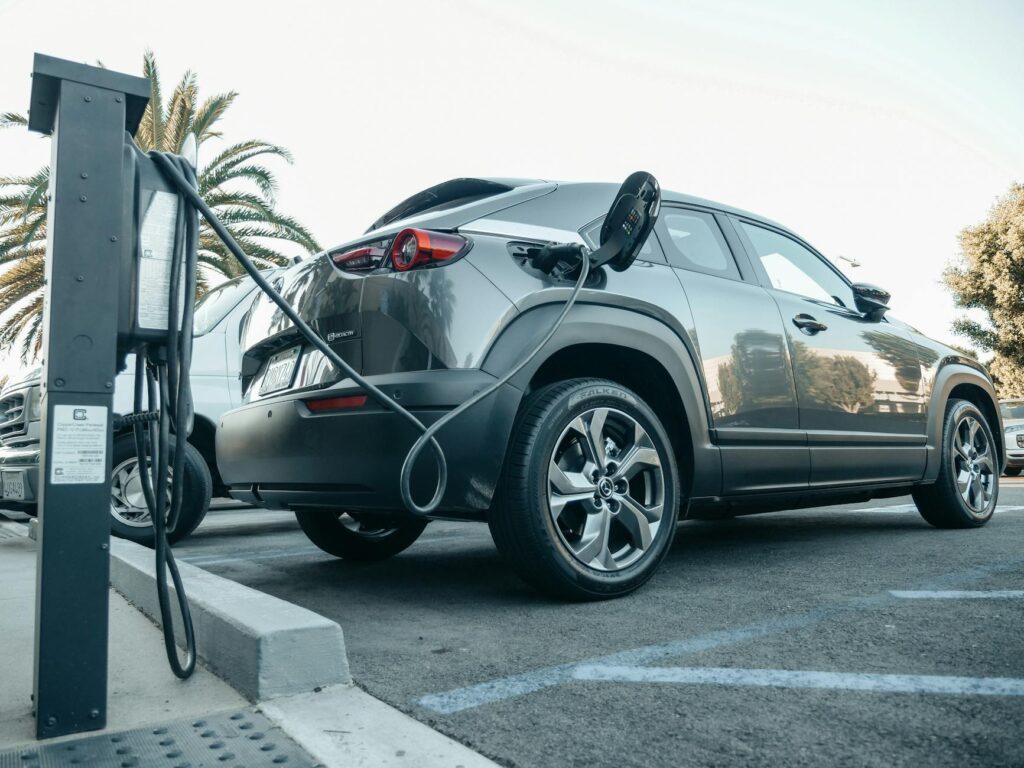
gray electric car parked on a charging bay
EV Guides

Is It Worth Installing a Home EV Charger in the U.S.? (2026 Guide to Costs, Installation & Real Savings)

Introduction According to ongoing situation yes its a smart financial move to install home ev chargers. Picture this: it’s a cold Monday morning. You’re already running late, your coffee’s getting cold, and your gas tank is nearly empty—again. You stop at the gas station, watch the numbers climb past $60… $70… $80… and think, “There has to be a smarter way.” If you’ve been considering switching to an electric vehicle (EV), you’re not alone. With rising fuel prices, increasing cost of living, and a growing push toward clean energy in the United States, more Americans are asking a crucial question: Is installing a home EV charger actually worth it? At first glance, it might seem like a luxury upgrade. But dig deeper, and it could be one of the smartest financial and lifestyle decisions you make in 2026. Let’s break it down—real costs, installation process, long-term savings, and whether it truly pays off. What Is a Home EV Charger? Before we dive into numbers, let’s simplify things. A home EV charger is a device installed in your garage or driveway that allows you to charge your electric car at home—just like charging your phone overnight. Types of EV Chargers Level 1 Charger (Basic Option) Level 2 Charger (Most Popular in the U.S.) 👉 Bottom line: If you want convenience and real savings, Level 2 is the “smart choice.” How Much Does It Cost to Install a Home EV Charger? Let’s talk numbers—the part most people care about. Upfront Costs Breakdown (U.S. Average) Item Estimated Cost Level 2 Charger Unit $400 – $800 Installation (Electrician) $500 – $2,000 Electrical Panel Upgrade (if needed) $1,000 – $3,000 Permits & Inspection $100 – $300 Total Cost Range: 👉 $900 to $3,500+ That’s not cheap—but here’s where it gets interesting. Hidden Savings: Tax Credits & Rebates (U.S.) Many Americans don’t realize this: Federal Tax Credit State & Utility Rebates Depending on where you live: 👉 These incentives can reduce your real cost dramatically. Charging at Home vs Public Charging: Which Saves More? Let’s compare real-life scenarios. Public Charging Costs (U.S.) Home Charging Costs Annual Savings: 👉 $1,000 – $2,500 saved per year Yes, you read that right. Real-Life Example: Jake from Texas Jake, a 32-year-old remote worker, switched from a gas SUV to an EV in 2025. Before: After installing home charger: 👉 Savings: $140/month = $1,680/year His charger paid for itself in less than 2 years. The Convenience Factor (This Is Huge) Money matters—but convenience is where EV chargers truly shine. What You Gain: It’s not just about saving money—it’s about saving time and mental energy. Are There Any Downsides? Let’s keep it real. It’s not perfect. 1. High Upfront Cost Yes, installation can feel expensive initially. 2. Older Homes May Need Upgrades If your electrical panel is outdated, costs can increase. 3. Renters Face Limitations If you don’t own your home, installation may not be possible. How Long Does It Take to Break Even? Let’s do simple math. 👉 Break-even time: 1 to 2 years After that, it’s pure savings. Who Should Definitely Install a Home EV Charger? You should install one if: You may skip it if: Smart Tips Before Installing 1. Check Your Electrical Panel Avoid surprise costs by getting it inspected first. 2. Choose a Trusted Electrician Safety matters—don’t go cheap here. 3. Compare Charger Brands Look for: 4. Charge During Off-Peak Hours Some U.S. utilities offer lower nighttime rates—huge savings. Long-Term Financial Benefits Here’s what most people underestimate: 1. Increased Home Value Homes with EV chargers are becoming more attractive in the U.S. market. 2. Lower Transportation Costs Over 5 years: 👉 Savings: $8,000+ 3. Protection from Gas Price Spikes Gas prices are unpredictable—but electricity is more stable. Emotional Reality: Why This Decision Matters Think about your daily routine. Less stress.More control over your expenses.No more watching gas prices rise every week. Installing a home EV charger isn’t just a financial decision—it’s a lifestyle upgrade. It gives you control in a world where costs keep rising. Conclusion: Is It Worth It? Yes—if you’re serious about saving money and upgrading your lifestyle. A home EV charger: It’s not just about driving electric—it’s about living smarter. If you’re already considering an EV, installing a home charger isn’t an extra expense… 👉 It’s the best investment you can make in your daily life. please email us to know more about ev vehicles

EV Guides

Best Affordable Electric Cars in the U.S. Under $30,000 (2026): Save Money, Drive Smart, and Uplift your living style

Introduction Let’s be real as living in USA is expensive as we know already. Gas prices is rising according to on going situations like crazy, insurance keeps rising, and everyday expenses seem to hit harder than ever. If you’ve ever stood at a gas station watching the total climb past $60… you know the feeling. That’s exactly why more Americans aged 18–45 are switching to electric vehicles (EVs). Not just for the environment—but to save real money every month. But here’s the catch: most people think EVs are expensive. That’s not true anymore. In 2026, there are several affordable electric cars under $30,000 that deliver solid performance, modern tech, and serious long-term savings. And if you factor in federal tax credits, lower maintenance, and no gas costs, EVs can actually be one of the smartest financial decisions you make. In this guide, we’ll break down the best budget electric cars in the U.S., including real models, pros and cons, and exactly who should buy each one. Why in US EVs Are a Smart Choice in 2026 Before jumping into the list, let’s quickly understand why EVs are becoming the go-to choice for smart Americans. 💰 1. Save gas prices That’s potentially $1,000+ savings every year. 🔧 2. Lower Maintenance Costs No oil changes. No engine issues. Fewer moving parts. EV owners typically spend 30–50% less on maintenance. ⚡ 3. Federal & State Incentives You may qualify for: 🌎 4. Future-Proof Investment Gas cars are slowly being phased out. Buying an EV now = staying ahead. Top Electric Cars Under $30,000 in the U.S. (2026) Let’s break down the top budget EVs that actually make sense for real-life American drivers. 1. Chevrolet Bolt EV 💵 Starting Price: ~$27,500 🔋 Range: ~259 miles Why It Stands Out The Chevy Bolt EV has been a favorite for years—and in 2026, it’s still one of the best value electric cars in America. ✅ Pros ❌ Cons 👤 Who Should Buy This? 💡 Real-Life Example If you’re commuting 20–30 miles daily in cities like Los Angeles or Chicago, this car can eliminate your gas expenses entirely. 2. Nissan Leaf 💵 Starting Price: ~$28,000 🔋 Range: 150–215 miles (depending on model) Why It’s Popular The Nissan Leaf is one of the most beginner-friendly EVs in the U.S. ✅ Pros ❌ Cons 👤 Who Should Buy This? 💡 Real-Life Insight If you mostly drive under 50 miles/day, the Leaf is a smart, low-cost entry into electric driving. 3. Hyundai Kona Electric 💵 Starting Price: ~$29,500 🔋 Range: ~258 miles Why It’s a Smart Choice This compact SUV offers premium features at a budget price, making it perfect for modern lifestyles. ✅ Pros ❌ Cons 👤 Who Should Buy This? 💡 Real-Life Use Perfect for weekend getaways or grocery runs—without worrying about charging constantly. 4. Mini Cooper SE 💵 Starting Price: ~$29,900 🔋 Range: ~114 miles Why It’s Unique This is not about range—it’s about fun driving. ✅ Pros ❌ Cons 👤 Who Should Buy This? 💡 Real-Life Example Perfect for someone in New York or San Francisco who wants a cool, eco-friendly ride for daily errands. 5. Fiat 500e (Expected Return) 💵 Starting Price: ~$28,000 (estimated) 🔋 Range: ~150 miles Why It’s Worth Watching The Fiat 500e is making a comeback in the U.S. market, focusing on affordability and urban driving. ✅ Pros ❌ Cons 👤 Who Should Buy This? Cost Breakdown: Gas vs Electric (Real U.S. Numbers) Let’s compare: Expense Gas Car EV Fuel $1,800/year $600/year Maintenance $900/year $400/year Total $2,700/year $1,000/year 👉 You save around $1,500–$2,000 annually Over 5 years? That’s $7,500–$10,000 saved. Hidden Costs to Consider (Be Smart!) Even though EVs save money, here are a few things to think about: ⚠️ Home Charging Setup ⚠️ Insurance ⚠️ Charging Time But overall? The long-term savings still win. How to Choose the Right EV for You Ask yourself: 🚗 Daily Driving Distance 👨‍👩‍👧 Family Needs 💸 Budget Flexibility Emotional Reality: Why This Decision Matters Imagine this: This isn’t just about buying a car. It’s about taking control of your money and lifestyle. Last but not the least ….. In 2026, buying an electric car under $30,000 in the U.S. is no longer a dream—it’s a smart, practical reality. Whether you choose the reliable Chevrolet Bolt EV, the beginner-friendly Nissan Leaf, or the stylish Mini Cooper SE, you’re making a decision that impacts your finances for years. The truth is simple: 👉 Gas prices will keep rising👉 Living costs will increase👉 Smart people adapt early And this might be one of those decisions that future-you will thank you for. 👉 “Make it sound like a real American blogger giving honest advice.”

Scroll to Top