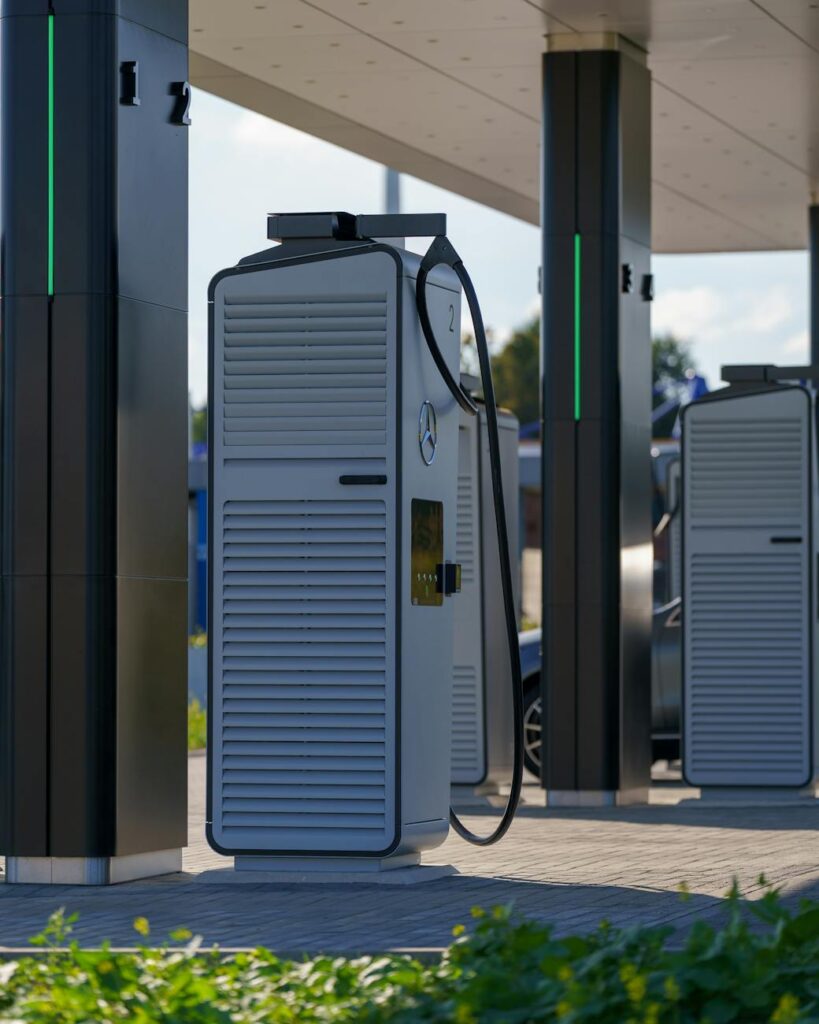
modern electric vehicle charging station outdoors
EV Guides

EV Charging Station Cost in the U.S. – Full Setup & ROI Breakdown (2026 Guide)

Introduction: The Real Question Isn’t “Can You Start?”—It’s “Is It Worth It?” Gas prices rise, fall, and rise again—and every time they do, more people start thinking about electric vehicles. But here’s something most people don’t talk about enough: Where are all these EVs going to charge? Now imagine this… You’re not just watching the EV boom—you’re earning from it. Every time someone pulls into your charging station, plugs in, and pays, you’re generating income. No inventory. No complicated logistics. Just electricity… turned into profit. But then reality hits:“How much does it actually cost to start an EV charging station in the U.S.?” Here’s the truth most people don’t realize:The cost isn’t just about buying a charger—it’s about building a system that generates consistent, long-term income. Let’s break it all down—clearly, honestly, and in a way that helps you decide if this is the right move for you. What Does It Really Cost to Start an EV Charging Station in the U.S.? The total cost depends on three main factors: Quick Answer (For Featured Snippet) But that’s just the surface. Let’s go deeper. Cost Breakdown: EV Charging Station Setup 1. Equipment Cost (The Charger Itself) Level 2 Chargers (Best for Beginners) DC Fast Chargers (High Investment, High Return) 👉 What this means for you is simple:Level 2 is easier to start. DC fast chargers are where serious money can scale. 2. Installation Costs (Where Most People Underestimate) This is where budgets often go wrong. 👉 Total installation range: 3. Location Costs (Hidden Factor) If you already own the property, you’re ahead. If not: 👉 Example:A charger at a busy shopping plaza in California can outperform 3 chargers in a low-traffic rural area. 4. Software & Network Fees To run your station smoothly, you’ll likely connect to a charging network. These platforms handle: 5. Maintenance & Operating Costs Total Cost Summary (Simple View) Level 2 Setup: 👉 $3,000 – $15,000 per charger DC Fast Charging Setup: 👉 $30,000 – $150,000+ per charger Government Incentives (This Can Change Everything) Here’s where things get interesting. The U.S. government and states offer incentives like: 👉 In some cases, you can reduce your cost by 30%–80%. What this means for you is powerful:You might start this business with far less capital than you think. Revenue Potential: How Much Can You Earn? Let’s talk real numbers—no hype. Example: Level 2 Charger 👉 Daily Revenue: $50 – $200👉 Monthly Revenue: $1,500 – $6,000 Example: DC Fast Charger 👉 Daily Revenue: $150 – $1,200👉 Monthly Revenue: $4,500 – $36,000 ROI Breakdown (Return on Investment) Level 2 ROI: 👉 Break-even: 6–12 months DC Fast Charger ROI: 👉 Break-even: 1–3 years Real-Life Scenario (U.S. Context) Imagine you install 3 Level 2 chargers at an apartment complex: Within a year, you could recover your cost—and after that, it becomes steady income. Now scale that to 10 chargers. This is how small setups turn into real businesses. Pros & Cons of EV Charging Station Business ✅ Pros ❌ Cons Is It Worth It? Let’s be honest. This isn’t a “get rich quick” business.But it is a “get ahead early” opportunity. Here’s the truth most people ignore: The biggest money in any industry is made by those who build the infrastructure—not just those who use it. And right now?EV infrastructure in the U.S. is still catching up. Final Verdict: Should You Start? If you’re looking for: Then yes—this is worth serious consideration. But only if you: What this means for you is simple: You’re not just investing in a charger—you’re investing in a system that could generate income for years. Conclusion: The Window Is Still Open—But Not Forever Imagine five years from now… EVs dominate the roads. Charging stations are everywhere. And the best locations? Already taken. The question is:Will you be someone looking for opportunities… or someone who acted early? Because right now, you’re standing at a rare point in time—Where a growing industry still has room for new players. And if you play it smart, this isn’t just a business. It’s a long-term asset. please feel free to email us for more information , we will guide through whole process

Electric car charging station located
EV Guides

How you can Start an EV Charging Station Business in the U.S.

Introduction: Why This Opportunity Feels Different Right Now Gas prices spike, fall, and spike again. Every time it happens, people rethink how they drive, what they buy, and where they spend their money. Meanwhile, electric vehicles are quietly becoming the new normal across America. Now imagine this… You’re not just saving money by driving electric—you’re earning from it. Every time someone plugs in their car at your station, you generate income. No chasing clients, no selling products door-to-door. Just a growing stream of EV drivers who need your service. Here’s the truth most people don’t realize:The biggest opportunity in the EV revolution isn’t just owning an electric car—it’s owning the infrastructure behind it. And that’s exactly what an EV charging station business offers. What Is an EV Charging Station Business? An EV charging station business is simple in concept: You install electric vehicle chargers at a location (home, parking lot, commercial space), and drivers pay to charge their vehicles. Think of it like owning a gas station—but cleaner, quieter, and increasingly in demand. Types of EV Chargers (You Need to Know This First) 👉 If you’re serious about business, Level 2 and DC fast chargers are where the money is. Why Start an EV Charging Business in the U.S.? The U.S. EV market is exploding—and it’s still early. Key Reasons This Business Makes Sense: What this means for you is simple:You’re entering a market that hasn’t peaked yet. Step-by-Step: How to Start an EV Charging Station Business 1. Choose the Right Location (This Can Make or Break You) Location is everything. The best-performing EV charging stations are placed where people already spend time: 👉 Example:A charger in a busy shopping center can generate more revenue than one on an empty roadside—even if both have the same equipment. 2. Decide Your Business Model There are 3 main ways to earn: Pay-Per-Use Customers pay per kWh or per session. Subscription Model Regular users pay monthly. Free Charging + Indirect Profit Attract customers to your business (like a café or hotel). 👉 Smart move: Combine pay-per-use + partnerships. 3. Understand the Cost (Real U.S. Estimates) Let’s break it down realistically: Level 2 Charger Setup: DC Fast Charger Setup: 👉 Yes, it’s a big investment—but returns can scale. 4. Apply for Permits & Incentives The U.S. government supports EV infrastructure heavily. You can benefit from: 👉 Many states cover up to 30%–80% of installation costs. This is where most beginners lose money—by not claiming incentives. 5. Choose the Right Charging Network Instead of building everything from scratch, you can partner with networks. Popular options include: These platforms handle: 👉 This saves time and makes your business scalable. 6. Install and Launch Once everything is ready: How Much Profit Can You Make? Let’s talk real numbers. Example Scenario: 👉 Daily Revenue: $50–$200👉 Monthly Revenue: $1,500–$6,000 Scale this to multiple chargers—and income multiplies. Pros & Cons of EV Charging Business ✅ Pros ❌ Cons Is This Business Right for You? Ask yourself: If yes, this could be one of the smartest moves you make in the next decade. Final Verdict: Is It Worth It? Here’s the truth most people ignore: Every major shift creates two types of people—Those who adapt early, and those who regret later. EVs are not “the future” anymore—they’re the present. And the infrastructure?Still catching up. What this means for you is powerful: You still have time to enter early, build authority, and create a steady income stream before the market becomes saturated. last but not the least Imagine looking back 5 years from now… EVs are everywhere. Charging stations are as common as gas pumps. And the best locations? Already taken. The question is:Will you be someone searching for opportunities… or someone who built one early? Starting an EV charging station business isn’t just about money.It’s about positioning yourself in a future that’s already unfolding. please follow us for more updates and information

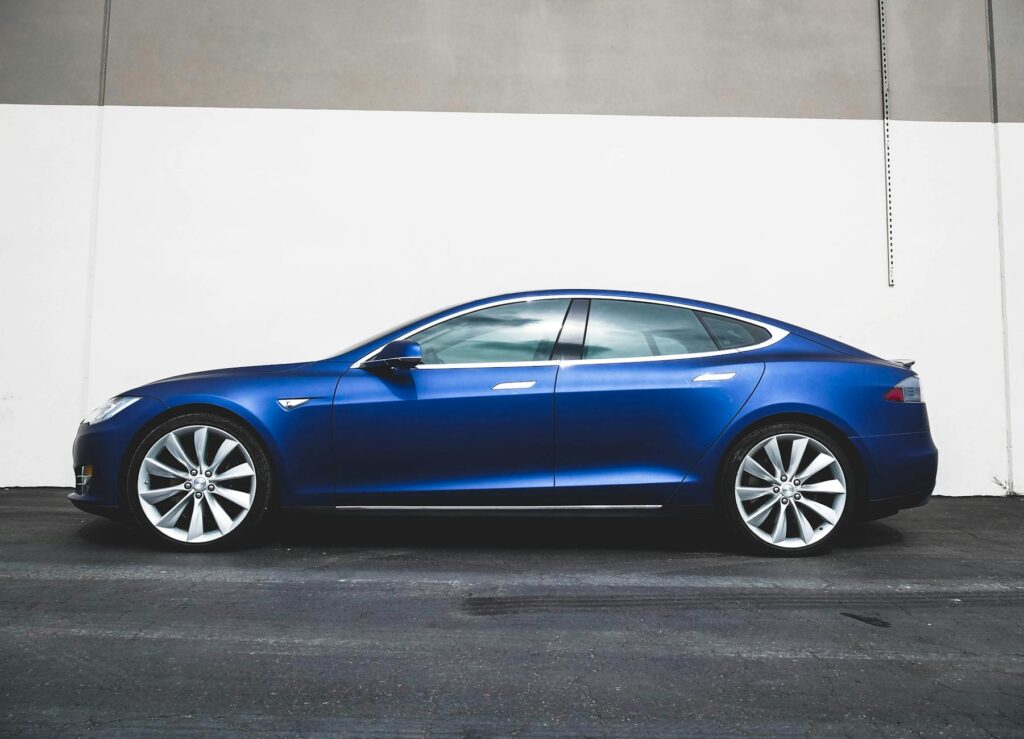
tesla model s blue wheels
electric vehicle

Why Electric Cars Are the Future of Driving in America (2026): Save Money, Upgrade Your Lifestyle & Drive Into a Smarter Tomorrow

Introduction It’s Friday evening. You’re stuck in traffic after a long workday, watching your fuel gauge drop faster than your patience. You glance at the glowing gas station sign—$4.89 per gallon—and feel that familiar frustration. You’re not alone. Across the United States, millions of people are rethinking how they drive, how they spend, and how they live. With rising gas prices, increasing living costs, and growing environmental awareness, one question keeps popping up: Is it finally time to switch to an electric car? The answer is becoming clearer every year. Electric vehicles (EVs) are no longer just a futuristic idea—they’re already reshaping American roads, wallets, and lifestyles. And if you’re between 18 and 45, trying to make smarter financial decisions while upgrading your daily life, this shift matters more than you think. Let’s explore why electric cars aren’t just a trend…👉 They’re the future of driving in America. The Shift Is Already Happening EV Adoption Is Exploding in the U.S. A few years ago, EVs felt like something only tech enthusiasts or early adopters cared about. Today, they’re everywhere. From California to Texas, EVs are becoming part of everyday life—not just a niche choice. Why Americans Are Moving Away from Gas Cars The Hidden Costs of Gas Vehicles At first glance, gas cars seem familiar and convenient. But when you look closer, the costs add up quickly: 👉 Over 5 years, many drivers spend $10,000–$20,000 just on fuel and maintenance. And that’s not even counting the stress of fluctuating gas prices. Electric Cars = Real Money Savings Lower Fuel Costs (Huge Advantage) Charging an EV is significantly cheaper than filling up a gas tank. 👉 Annual savings: $1,000–$2,500 Fewer Maintenance Costs Electric cars have: That means:👉 Less maintenance👉 Fewer repairs👉 More peace of mind Over time, this saves thousands of dollars. Tax Credits & Incentives (U.S. Advantage) The U.S. government is actively encouraging EV adoption. 👉 This makes EVs more affordable than ever before. Real-Life Example: Sarah from California Sarah, a 28-year-old marketing professional, switched to an EV in 2024. Before: After: 👉 Total yearly savings: $2,000+ But here’s what she values most: “I don’t think about gas anymore. That stress is gone.” The Convenience Factor: A Lifestyle Upgrade Charging at Home Feels Like Magic Imagine this: You plug in your car at night.You wake up.Your car is fully charged. No gas stations. No waiting. No hassle. 👉 That’s the everyday reality of EV owners. Quiet, Smooth, and Modern Driving Experience Electric cars feel different—in a good way. It’s not just transportation anymore—it’s an experience. The Future Vision: What Driving Will Look Like in 2030 Let’s fast-forward a few years. Gas Stations Become Less Relevant As EV adoption grows: Smart Cities + Smart Cars Electric vehicles will connect with: 👉 Driving will become cleaner, smarter, and more efficient. Energy Independence for Americans With EVs: 👉 That’s real freedom. Environmental Impact (Without Being Overwhelming) Let’s be honest—most people switch to EVs for savings and convenience. But there’s a bigger picture. Even small changes add up when millions of drivers switch. Are Electric Cars Really for Everyone? EVs Are Perfect If You: EVs Might Not Be Ideal If You: But even these limitations are shrinking fast. Common Myths About Electric Cars (Debunked) “EVs Are Too Expensive” Truth:With incentives and savings, EVs can be cheaper over time. “Charging Takes Too Long” Truth: “Battery Replacement Is Too Costly” Truth: The Emotional Shift: Why This Matters This isn’t just about cars. It’s about control. Control over your money.Control over your daily routine.Control over your future. Every time you skip a gas station, every time you save money, every time your car feels smoother and smarter—you’re reminded: 👉 You made the right choice. Electric Cars vs Gas Cars: Quick Comparison Feature Electric Cars Gas Cars Fuel Cost Low ($80–$150/month) High ($200–$400/month) Maintenance Minimal Expensive Driving Experience Smooth & quiet Noisy Environmental Impact Low High Long-Term Savings High Low Conclusion: The Future Is Already Here Electric cars are no longer a “maybe someday” idea. They are: Yes, there’s an upfront cost.Yes, there’s a learning curve. But the rewards? 👉 Lower expenses👉 Less stress👉 More freedom If you’re looking for a way to save money, simplify your life, and stay ahead of the curve, electric cars aren’t just the future… They’re your next smart move. get more information by following us …..

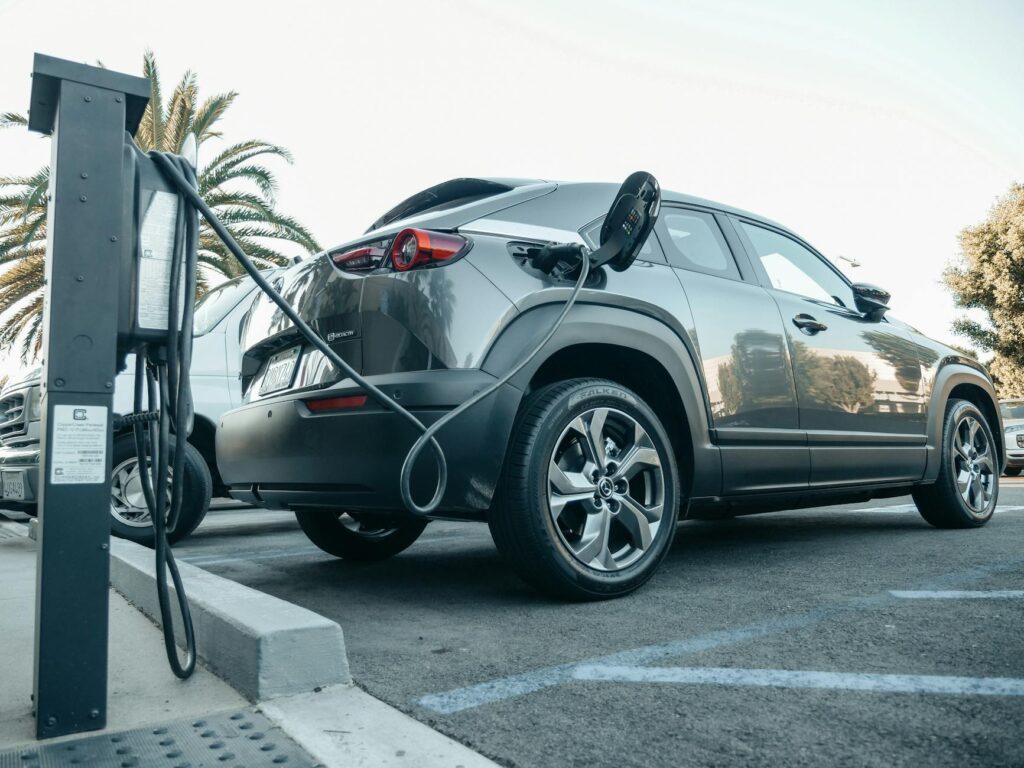
gray electric car parked on a charging bay
EV Guides

Is It Worth Installing a Home EV Charger in the U.S.? (2026 Guide to Costs, Installation & Real Savings)

Introduction According to ongoing situation yes its a smart financial move to install home ev chargers. Picture this: it’s a cold Monday morning. You’re already running late, your coffee’s getting cold, and your gas tank is nearly empty—again. You stop at the gas station, watch the numbers climb past $60… $70… $80… and think, “There has to be a smarter way.” If you’ve been considering switching to an electric vehicle (EV), you’re not alone. With rising fuel prices, increasing cost of living, and a growing push toward clean energy in the United States, more Americans are asking a crucial question: Is installing a home EV charger actually worth it? At first glance, it might seem like a luxury upgrade. But dig deeper, and it could be one of the smartest financial and lifestyle decisions you make in 2026. Let’s break it down—real costs, installation process, long-term savings, and whether it truly pays off. What Is a Home EV Charger? Before we dive into numbers, let’s simplify things. A home EV charger is a device installed in your garage or driveway that allows you to charge your electric car at home—just like charging your phone overnight. Types of EV Chargers Level 1 Charger (Basic Option) Level 2 Charger (Most Popular in the U.S.) 👉 Bottom line: If you want convenience and real savings, Level 2 is the “smart choice.” How Much Does It Cost to Install a Home EV Charger? Let’s talk numbers—the part most people care about. Upfront Costs Breakdown (U.S. Average) Item Estimated Cost Level 2 Charger Unit $400 – $800 Installation (Electrician) $500 – $2,000 Electrical Panel Upgrade (if needed) $1,000 – $3,000 Permits & Inspection $100 – $300 Total Cost Range: 👉 $900 to $3,500+ That’s not cheap—but here’s where it gets interesting. Hidden Savings: Tax Credits & Rebates (U.S.) Many Americans don’t realize this: Federal Tax Credit State & Utility Rebates Depending on where you live: 👉 These incentives can reduce your real cost dramatically. Charging at Home vs Public Charging: Which Saves More? Let’s compare real-life scenarios. Public Charging Costs (U.S.) Home Charging Costs Annual Savings: 👉 $1,000 – $2,500 saved per year Yes, you read that right. Real-Life Example: Jake from Texas Jake, a 32-year-old remote worker, switched from a gas SUV to an EV in 2025. Before: After installing home charger: 👉 Savings: $140/month = $1,680/year His charger paid for itself in less than 2 years. The Convenience Factor (This Is Huge) Money matters—but convenience is where EV chargers truly shine. What You Gain: It’s not just about saving money—it’s about saving time and mental energy. Are There Any Downsides? Let’s keep it real. It’s not perfect. 1. High Upfront Cost Yes, installation can feel expensive initially. 2. Older Homes May Need Upgrades If your electrical panel is outdated, costs can increase. 3. Renters Face Limitations If you don’t own your home, installation may not be possible. How Long Does It Take to Break Even? Let’s do simple math. 👉 Break-even time: 1 to 2 years After that, it’s pure savings. Who Should Definitely Install a Home EV Charger? You should install one if: You may skip it if: Smart Tips Before Installing 1. Check Your Electrical Panel Avoid surprise costs by getting it inspected first. 2. Choose a Trusted Electrician Safety matters—don’t go cheap here. 3. Compare Charger Brands Look for: 4. Charge During Off-Peak Hours Some U.S. utilities offer lower nighttime rates—huge savings. Long-Term Financial Benefits Here’s what most people underestimate: 1. Increased Home Value Homes with EV chargers are becoming more attractive in the U.S. market. 2. Lower Transportation Costs Over 5 years: 👉 Savings: $8,000+ 3. Protection from Gas Price Spikes Gas prices are unpredictable—but electricity is more stable. Emotional Reality: Why This Decision Matters Think about your daily routine. Less stress.More control over your expenses.No more watching gas prices rise every week. Installing a home EV charger isn’t just a financial decision—it’s a lifestyle upgrade. It gives you control in a world where costs keep rising. Conclusion: Is It Worth It? Yes—if you’re serious about saving money and upgrading your lifestyle. A home EV charger: It’s not just about driving electric—it’s about living smarter. If you’re already considering an EV, installing a home charger isn’t an extra expense… 👉 It’s the best investment you can make in your daily life. please email us to know more about ev vehicles

First Generation Prius Hybrid Petrol-Electric Car
electric vehicle

Electric vs Hybrid Cars in the U.S. (2026): Which One Actually Saves You More Money Long-Term?

Introduction Here we will let you know about difference between electric and hybrid cars. Picture this: You’re standing at a gas station in California or Texas, watching the numbers climb past $60… $70… maybe even $90 to fill your tank. You sigh, swipe your card, and think, “There has to be a better way.” You’re not alone. Across the United States, rising fuel prices, increasing insurance costs, and a higher cost of living are pushing people to rethink how they drive. Whether you’re commuting to work, doing Uber on the side, or planning road trips, your car is one of your biggest monthly expenses. That’s where the big question comes in: Should you switch to an electric car (EV) or go for a hybrid? Both promise savings. Both claim to be the “smart choice.” But when it comes to real money—your money—things aren’t always that simple. In this guide, we’ll break it all down: Let’s get into it. Understanding the Basics: Electric vs Hybrid Cars Before we talk about money, let’s quickly clarify what you’re choosing between. What Is an Electric Vehicle (EV)? An electric car runs entirely on electricity. No gas. No engine oil. Just a battery and motor. Examples: You charge it at home or public charging stations. What Is a Hybrid Car? A hybrid uses both: It switches between the two automatically to save fuel. Examples: No need to plug in (unless it’s a plug-in hybrid). Upfront Cost: Which One Hits Your Wallet Harder? Electric Cars: Higher Initial Price EVs are still more expensive upfront. Even with federal tax credits (up to $7,500), you’re still paying more initially. Hybrid Cars: Budget-Friendly Entry Hybrids are more affordable. Real-Life Example Let’s say: Even after a $7,500 tax credit, EV = ~$34,500That’s still $6,500 more upfront 👉 Winner (Upfront Cost): Hybrid Fuel vs Electricity Costs: Where You Really Save This is where things get interesting. Gas Costs for Hybrids Let’s assume: Driving 12,000 miles/year: Electricity Costs for EVs Let’s assume: Driving 12,000 miles/year: Savings Comparison 👉 EV saves about $400 per year But Wait… Public Charging Costs More If you rely on fast chargers: That can double your charging cost. 👉 Winner (Fuel Savings): EV (if charging at home) Maintenance Costs: The Silent Money Saver Electric Cars: Minimal Maintenance EVs have fewer moving parts: Average maintenance cost: Hybrid Cars: Still Needs Maintenance Hybrids still have: Average maintenance cost: Battery Replacement Concern Most warranties cover 8 years / 100,000 miles. 👉 Winner (Maintenance): EV Insurance Costs: The Hidden Expense This is something many buyers overlook. Electric Cars: Higher Insurance Why? Average EV insurance: Hybrid Cars: Moderate Insurance Average hybrid insurance: 👉 EV can cost $300–$600 more annually 👉 Winner (Insurance): Hybrid Charging vs Gas Stations: Real-Life Practicality EV Charging Reality in the U.S. Pros: Cons: Hybrid Convenience Pros: Cons: 👉 Winner (Practicality): Hybrid (especially in 2026) Depreciation: Which Car Holds Value Better? EV Depreciation EVs lose value faster due to: Average depreciation (5 years): Hybrid Depreciation Hybrids are more stable: Average depreciation: 👉 Winner (Resale Value): Hybrid Tax Credits & Incentives in the U.S. Electric Vehicles Hybrid Vehicles 👉 Winner (Incentives): EV 5-Year Total Cost Comparison (Real Numbers) Let’s break it down clearly. Hybrid Car (5 Years) Total: ~$44,060 Electric Car (5 Years) Total: ~$49,125 Final 5-Year Difference 👉 Surprised? Most people are. When an Electric Car Makes More Financial Sense An EV becomes the smarter financial choice if: In these cases, fuel savings can outweigh the higher upfront cost. When a Hybrid Is the Smarter Money Move A hybrid wins if: For most Americans in 2026, this is the reality. Emotional Reality: It’s Not Just About Money Let’s be honest for a moment. Buying a car isn’t just numbers—it’s peace of mind. If you’ve ever worried about: Then a hybrid quietly removes that stress. But if you love innovation, saving fuel, and going green, an EV feels like stepping into the future. Conclusion: So… Which One Saves More Money? If we’re talking purely about money in 2026: 👉 Hybrid cars are still the better financial choice for most Americans. They: However… 👉 Electric cars win in the long run—if used correctly. They: Final Takeaway At the end of the day, the smartest choice isn’t what’s trending—it’s what fits your life, your city, and your daily routine. Because real savings don’t come from hype… They come from decisions that work for you. follow us for more informations.

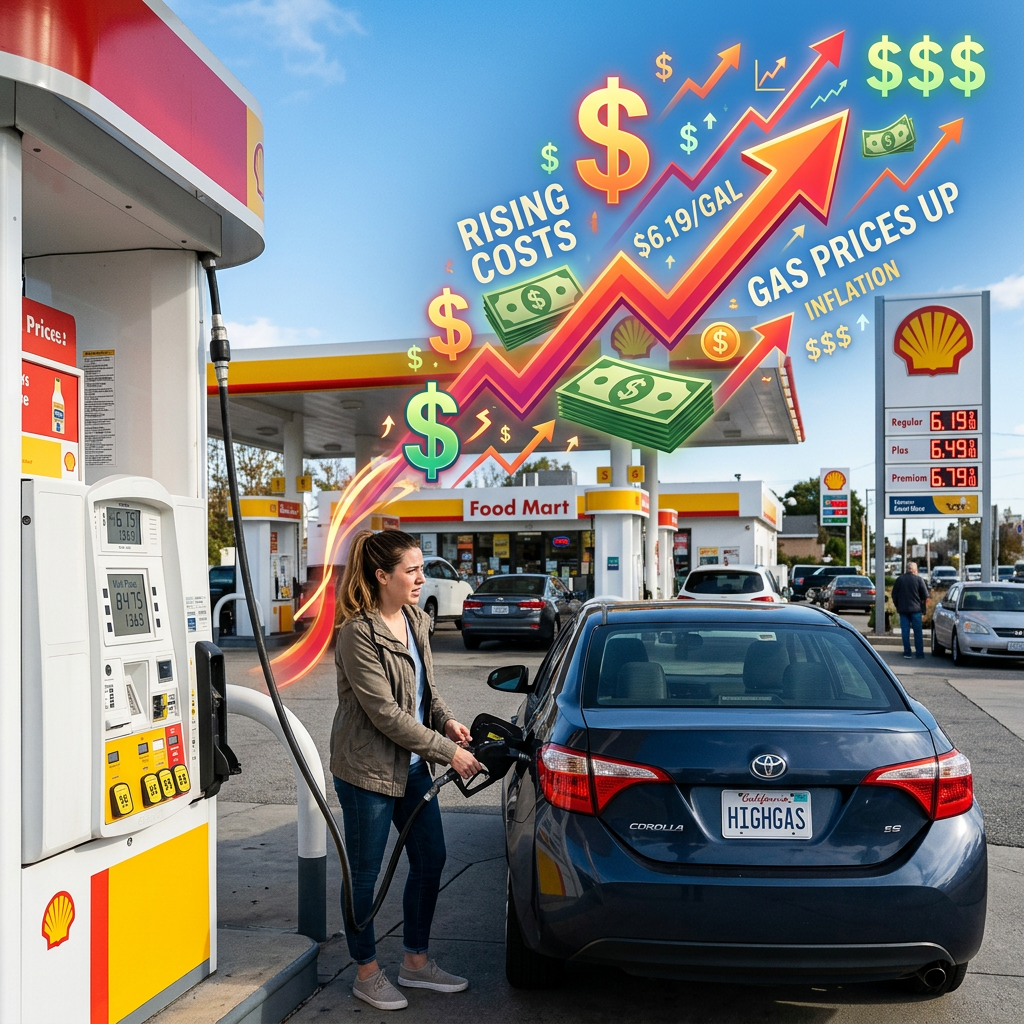
A woman fueling her car at a gas station with graphic elements showing rising gas prices and inflation
💰 2. EV Cost & Savings

The Hidden Costs of Owning a Gas Car in America (2026): What Most Drivers Still Don’t See Coming

Introduction: The Moment That Hits Every American Driver It usually starts the same way. You’re pulling into a gas station after a long day—maybe after work, maybe after dropping the kids off, maybe just running errands. You glance at the price board. $4.19… $4.49… sometimes even higher depending on where you live. You sigh, grab the pump, and tell yourself: “It is what it is.” But here’s the truth most people don’t realize in 2026: gas prices are only the tip of the iceberg. Owning a gas-powered car in America today comes with a long list of hidden costs—costs that quietly drain your bank account month after month, year after year. And when you finally add it all up, the number can feel shocking. This article isn’t here to scare you. It’s here to open your eyes. Because once you see the real cost of owning a gas car, you’ll never look at your vehicle the same way again. The Real Cost of Gas Isn’t Just at the Pump Fuel Prices Are Still Unpredictable Gas prices in the U.S. have always been volatile—but in 2026, that unpredictability is even more frustrating. One week you’re paying $3.80 per gallon. The next, it jumps past $4.50. For the average American driver: That means: Annual fuel cost = ~$2,268 And that’s just for an average car. If you drive an SUV or truck? You could easily be spending $3,000–$4,500 per year on gas alone. But again—this is just the beginning. Maintenance Costs That Quietly Add Up Oil Changes, Engine Repairs, and Wear & Tear Gas cars have hundreds of moving parts. That means more things that can break, wear out, or need replacing. Here’s what most drivers pay annually: Average yearly maintenance cost: $900–$1,500 Now think about this:These aren’t luxury upgrades. These are mandatory expenses just to keep your car running. Miss an oil change? You risk engine damage.Ignore brake issues? You risk your safety. It’s a constant cycle of spending just to maintain the status quo. Depreciation: The Silent Wealth Killer Your Car Is Losing Value Every Single Day This is one of the most overlooked costs of owning a gas car. The moment you drive a new car off the lot, it loses 10–20% of its value instantly. Within 5 years? Let’s say you bought a car for $30,000. After 5 years, it might only be worth $12,000–$15,000. That’s a loss of up to $18,000. And here’s the painful part:You don’t feel this loss daily—but it’s happening silently in the background. Insurance Costs Are Rising Faster Than You Think Why Gas Cars Are Becoming More Expensive to Insure Insurance premiums in the U.S. have been steadily increasing, especially for gas-powered vehicles. Why? Average insurance cost in 2026: For younger drivers (18–25), it can easily exceed $3,000/year. That’s another major expense most people just accept without questioning. The Hidden Cost of Time and Stress Standing at the Pump… Again and Again Let’s talk about something money can’t fully measure: your time. That’s roughly: 10–13 hours per year spent just refueling Now add: It all adds up. And then there’s stress. That low-fuel warning light.That strange engine noise.That fear of a sudden repair bill. These aren’t just inconveniences—they affect your daily peace of mind. Environmental Costs That Turn Into Financial Costs Emissions Are No Longer Just an Environmental Issue Gas cars produce emissions that are increasingly being regulated across the U.S. What does that mean for you? Some cities are already discussing stricter rules on gas vehicles. This isn’t just about the environment anymore—it’s about your wallet. The Opportunity Cost: What You Could Have Done Instead The Money You’re Losing Could Be Working for You Let’s break it down: Average yearly cost of owning a gas car: Total: ~$8,700 per year Now imagine investing even half of that annually. Over 5 years, that could grow into tens of thousands of dollars. Instead, that money is being spent just to keep your car on the road. That’s the real hidden cost: missed opportunities. Gas Cars vs. Alternatives: The Eye-Opening Comparison Electric and Hybrid Vehicles Are Changing the Game While gas cars continue to drain money, alternatives are becoming more attractive. Electric vehicle (EV) advantages: Hybrid vehicles: Even if the upfront cost is higher, the long-term savings can be significant. This is why more Americans in 2026 are starting to rethink their choices. Real-Life Example: Two Drivers, Two Outcomes Jake vs. Michael Jake (Gas Car Owner): Michael (Hybrid Owner): After 5 years: That’s a difference of $17,000. Same country. Same roads. Different financial outcomes. Why Most People Still Don’t Realize These Costs It Feels Normal—But It’s Not Cheap The biggest reason these costs go unnoticed? Because they’re spread out. Individually, they don’t seem overwhelming. But together? They form a massive financial drain that most people never calculate. How to Reduce the Hidden Costs (Without Drastic Changes) Smart Moves You Can Start Today You don’t have to switch cars overnight. But you can start saving. Here’s how: Even small changes can save hundreds to thousands per year. Conclusion: The Truth Most Drivers Ignore Owning a gas car in America in 2026 isn’t just about filling up your tank. It’s about: And when you finally see the full picture, one thing becomes clear: The real cost of a gas car is far higher than most people ever realize. This doesn’t mean you need to panic or make a rushed decision. But it does mean you should be aware. Because awareness is where smart financial decisions begin. And in today’s world, making the smart choice isn’t just about convenience— It’s about protecting your future.

NREL,-owned electric vehicles (EVs) below solar
electric vehicle

The 10 Bestselling Electric Cars in the U.S. (2026): Smart Picks That Save You Money and Upgrade Your Lifestyle

Introduction If you’ve filled up your gas tank lately, you already know the pain. Watching the total climb past $70… $80… even $100—just to keep your car running for a week—feels like a punch to your wallet. Now imagine this instead: you wake up, unplug your car from your garage, and drive all week for less than $15 in electricity. That’s not a dream anymore—it’s reality for millions of Americans switching to electric vehicles (EVs). In 2026, EVs aren’t just about saving the environment—they’re about saving money, reducing stress, and upgrading your lifestyle. With federal tax credits, lower maintenance costs, and rising gas prices, more people across the U.S. are making the switch. So which electric cars are Americans actually buying? Let’s break down the 10 bestselling EVs of 2026—the models that are dominating U.S. roads and helping drivers make smarter financial decisions. Why EVs Are Booming in the U.S. Right Now Before we jump into the list, here’s why EVs are exploding in popularity: For many Americans aged 18–45, buying an EV isn’t just about transportation—it’s about financial freedom and lifestyle upgrade. The 10 Bestselling EVs of 2026 in the U.S. 1. Tesla Model Y The undisputed king of EV sales in America. The Model Y continues to dominate because it hits the sweet spot: affordability, range, and practicality. Why it sells so well: Real-life example:A California commuter driving 15,000 miles/year can save $1,500–$2,000 annually compared to a gas SUV. 2. Tesla Model 3 Still one of the most popular EVs for first-time buyers. Why Americans love it: Cost advantage: That’s 3x cheaper driving cost. 3. Ford F-150 Lightning America loves trucks—and now it loves electric trucks too. Why it’s booming: Perfect for: 4. Chevrolet Bolt EV One of the most budget-friendly EVs in America. Why it’s a bestseller: Ideal for: 5. Hyundai Ioniq 5 Futuristic design meets practicality. Why it stands out: Lifestyle upgrade:Feels like driving a luxury car—without luxury fuel costs. 6. Kia EV6 The sporty sibling of the Ioniq 5. Why people choose it: Perfect for:Drivers who want performance + efficiency. 7. Rivian R1T The adventure truck of the future. Why it’s trending: Real-world appeal:Great for camping, road trips, and outdoor enthusiasts. 8. Volkswagen ID.4 A practical, family-friendly EV. Why it’s popular: Best for:Families switching from gas SUVs. 9. Nissan Ariya A quiet, comfortable, and refined EV. Why buyers love it: Ideal for:Daily commuters who want comfort over flash. 10. Chevrolet Equinox EV One of the newest breakout hits of 2026. Why it’s skyrocketing: Big advantage:Brings EV ownership into the mainstream middle class. EV vs Gas Car: Real Cost Comparison (U.S. Perspective) Let’s break it down in real numbers. Annual Cost Comparison (Average Driver – 15,000 miles) Expense Type Gas Car EV Fuel/Electricity $2,200–$3,000 $500–$800 Maintenance $800–$1,200 $300–$500 Total Yearly Cost $3,000–$4,200 $800–$1,300 👉 Annual Savings: $2,000–$3,000 Over 5 years? That’s up to $15,000 saved. Hidden Benefits Most Buyers Don’t Think About 1. No More Gas Station Stress You charge at home. No lines. No price spikes. 2. Lower Maintenance No oil changes, no engine repairs, fewer breakdowns. 3. Tax Credits & Incentives 4. Higher Resale Value (for top models) Especially brands like Tesla and Rivian. Which EV Is Right for You? Here’s a quick breakdown: Conclusion The shift to electric vehicles in America isn’t coming—it’s already here. And it’s not just about being eco-friendly anymore. It’s about: Whether you’re tired of gas prices, looking to cut monthly expenses, or just want a modern driving experience, one thing is clear: The best-selling EVs of 2026 aren’t just popular—they’re practical, powerful, and financially smart choices.

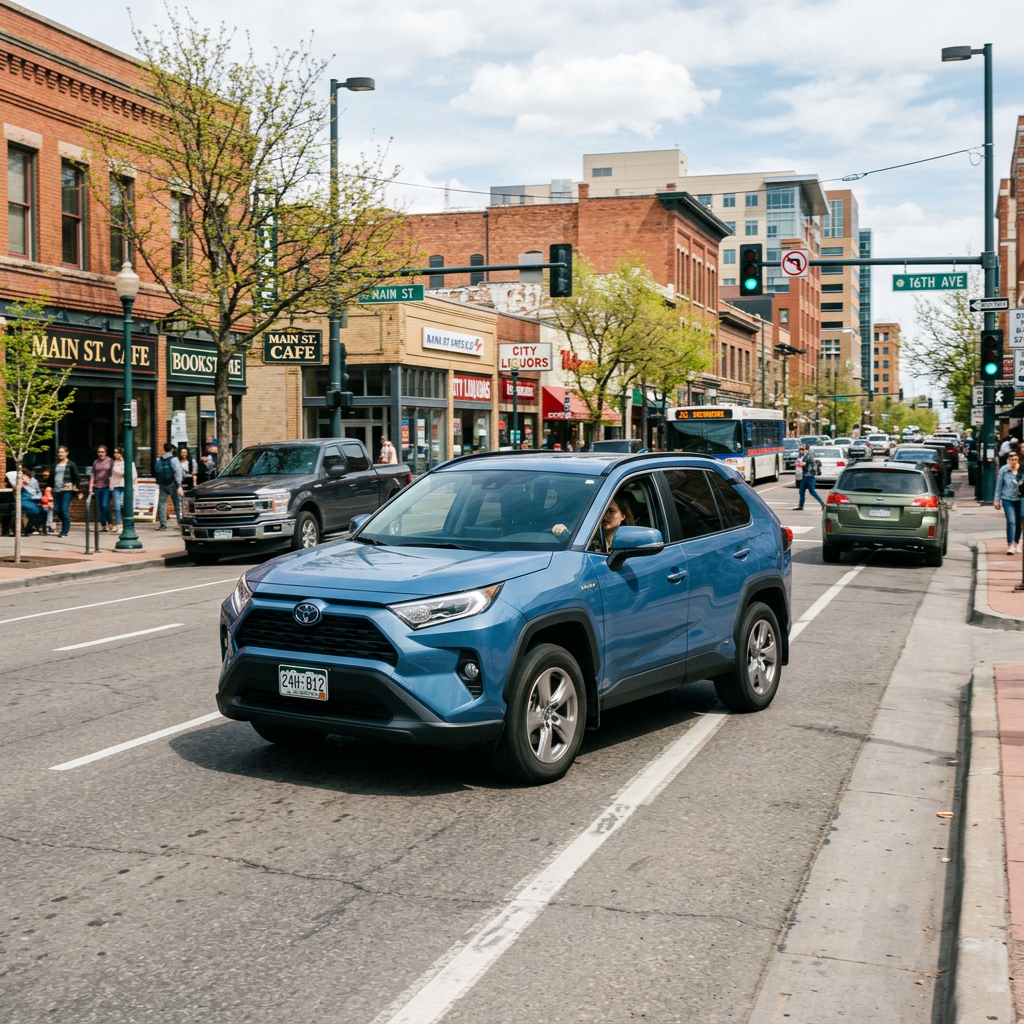
Blue SUV driving on Main Street near shops and pedestrians
electric vehicle

A New Kind of Hybrid Car Is About to Hit America’s Streets – Here’s How It Can Save You Thousands Every Year

Introduction: Why This Moment Feels Different for American Drivers If you’ve filled up your gas tank lately, you already know the feeling. You stand there watching the numbers climb—$40… $60… $80—and wonder how something as basic as driving to work became this expensive. Add rising rent, groceries, and insurance costs, and suddenly every dollar matters more than ever. For millions of Americans, the dream isn’t just owning a car anymore—it’s owning a smart, cost-efficient car that doesn’t drain your bank account every month. That’s exactly why a new kind of hybrid car is creating serious buzz across the U.S. This isn’t the same hybrid you’ve seen over the last decade. It’s faster, smarter, more affordable long-term—and in many cases, it could cut your yearly driving costs in half. Let’s break down what’s coming, why it matters, and whether it’s the right financial move for you. What Makes This “New Hybrid” Different From Old Hybrids? Traditional hybrids were simple: a gas engine + a battery that helped improve fuel efficiency. But this new generation? It’s a completely different game. 1. Plug-In + Self-Charging Combo Modern hybrids combine: This means: 👉 For many Americans, that covers daily commutes without using a drop of gas 2. EV-Like Driving Without Range Anxiety One of the biggest fears with electric vehicles is running out of charge. These new hybrids eliminate that fear. This is why many experts are calling them the “perfect transition car” for the U.S. market. 3. Smarter Energy Management New hybrid systems use AI-based optimization to: The result? Better mileage and lower maintenance costs Why This Matters Right Now in the U.S. Gas Prices Aren’t Going Away Anytime Soon Even though prices fluctuate, the long-term trend is clear: fuel isn’t getting cheaper. That’s a huge chunk of your yearly budget. Cost of Living Is Rising Everywhere From New York to Texas to California: People aren’t just looking for convenience anymore—they’re looking for financial survival strategies. A smarter car isn’t a luxury anymore. It’s a financial decision. How Much Money Can You Actually Save? (Real Breakdown) Let’s compare a typical gas car vs. a new hybrid. Scenario: Average U.S. Driver Traditional Gas Car New Hybrid (Plug-In Type) Estimated yearly costs: 👉 Total: ~$1,000–$1,400/year Annual Savings Over 5 years? 👉 That’s $3,000–$5,000 saved And that’s just fuel. Hidden Savings Most People Don’t Think About 1. Lower Maintenance Costs Hybrids: Result: 👉 Savings: $300–$700/year 2. Tax Credits and Incentives Depending on your state and income: Even if you qualify for partial benefits, that’s instant savings. 3. Higher Resale Value Hybrids are in demand. That means: Real-Life Example: A Young Professional in the U.S. Let’s say Sarah, 29, lives in California. She switches to a new hybrid. Before: After: 👉 Savings: $1,440/year She uses that money to: That’s not just savings—that’s lifestyle upgrade. Are These Hybrids Expensive Upfront? Short answer: Yes… but not as much as you think. Typical Price Range Compared to: So yes, you may pay:👉 $2,000–$5,000 more upfront But Here’s the Smart Financial Perspective When you factor in: That extra cost can pay itself back in:👉 2–4 years After that, it’s pure savings. Hybrid vs Electric vs Gas: What’s the Smart Choice? Feature Gas Car Electric Car New Hybrid Fuel Cost High Very Low Low Range High Limited (charging needed) High Charging Required No Yes Optional Upfront Cost Medium High Medium Flexibility Medium Low High 👉 For most Americans today, the new hybrid offers the best balance. Who Should Seriously Consider Buying This New Hybrid? 1. Daily Commuters If you drive to work every day: 2. Budget-Conscious Families With rising expenses, cutting fuel costs is huge. 3. First-Time Car Buyers A hybrid is a future-proof choice. 4. People Not Ready for Full EVs If charging feels inconvenient, this is the perfect middle ground. Potential Downsides (Let’s Be Honest) No car is perfect. 1. Higher Initial Cost You’ll still pay more upfront than a gas car. 2. Charging Helps (But Isn’t Mandatory) To get full benefits: 3. Not Fully Electric If your goal is zero emissions, this isn’t the final step. What Experts Are Saying Auto industry analysts are calling this shift: 👉 “The most practical evolution in personal transportation for the U.S.” Why? Because it solves real problems: Without forcing people into major lifestyle changes. The Bigger Picture: This Is More Than Just a Car This new hybrid isn’t just about saving gas. It represents: In a time when every dollar matters, small decisions like this can change your long-term financial health. Conclusion: Is This the Smartest Car Choice in America Right Now? Let’s be real. Most people don’t care about horsepower or fancy features anymore. They care about: And that’s exactly where this new hybrid shines. It gives you: For many Americans, this isn’t just a car upgrade. 👉 It’s a life upgrade. If you’re thinking about your next vehicle, this might be the smartest move you make this decade.

electric vehicle
electric vehicle

How you can get the $7,500 EV Tax Credit in the U.S. (2026 Step-by-Step Guide) — Save Big on Your Next Electric Car of new generations

Introduction Here we will give a complete guide on getting tax credit in u.s which will save your time and money as well. Let’s be real for a second. You’ve probably felt that moment at the gas pump—watching prices climb while your budget quietly screams. Groceries are up. Rent is up. Everything feels expensive. And now you’re thinking about upgrading your car… but the idea of spending $30,000–$50,000? That’s stressful. But what if you could instantly save up to $7,500 on an electric vehicle? Not a coupon. Not a gimmick.A real federal tax credit designed to help Americans like you make a smarter, cleaner, and more affordable choice. The problem?Most people either don’t understand how it works… or miss out completely. This beginner-friendly, step-by-step guide will show you exactly how to claim the $7,500 EV tax credit in 2026, avoid common mistakes, and maximize your savings. What Is the $7,500 EV Tax Credit? The Electric Vehicle (EV) Tax Credit is part of the Inflation Reduction Act, designed to encourage Americans to switch to clean energy vehicles. Key Highlights: 👉 In simple terms:You either pay less upfront at the dealership or get money back when filing taxes. Why This Tax Credit Matters (Real-Life Impact) Let’s say you’re buying an EV worth $40,000. 👉 That’s a huge difference, especially when you’re managing: For many Americans aged 18–45, this credit can be the deciding factor between “maybe later” and “let’s do it now.” Step-by-Step Guide to Claim the $7,500 EV Tax Credit (2026) Let’s break this down into simple, actionable steps. Step 1: Check If You Qualify (Income Limits) Not everyone qualifies. Your income matters. 2026 Income Limits: 👉 If your income is above these limits, you won’t be eligible. Pro Tip:You can use either your current year income OR previous year income—whichever is lower. Step 2: Choose an Eligible Electric Vehicle Not all EVs qualify for the full $7,500. Requirements: Popular Eligible EVs (Example): 👉 Always confirm eligibility before buying—it can change. Step 3: Decide How You Want to Claim the Credit Here’s where things get interesting. Option 1: Instant Discount (Best Option) Since 2024, you can transfer the credit to the dealer. 👉 That means: Example: Option 2: Claim on Your Taxes If you don’t use the dealer option: 👉 Important:This is a non-refundable credit, meaning: Step 4: Verify the Dealer Is Registered Not all dealerships participate. Before buying: 👉 If they’re not, you may miss the instant discount option. Step 5: Collect Required Documents To avoid issues later, keep: 👉 These are essential for tax filing or verification. Step 6: File Correctly (If Claiming Later) If you didn’t take the upfront discount: 👉 Mistakes here can delay or reduce your credit. Real-Life Example: How Much You Actually Save Let’s make this real. Scenario: John (age 29, Texas) buys an EV. Outcome: 👉 Total savings in 5 years:$13,000+ That’s not just savings—that’s financial breathing room. Hidden Costs to Watch Out For Let’s keep it honest—there are a few things to consider. 1. Charging Setup 2. Electricity Costs Still cheaper than gas, but: 3. Insurance Some EVs have: 👉 Always compare quotes before buying. Pro Tips to Maximize Your EV Savings 1. Combine State Incentives Many states offer additional rebates: 👉 Stack these with the federal credit. 2. Buy at the Right Time Tax credit rules can change. 👉 Best strategy: 3. Consider Used EV Credit Budget tight? 👉 Great option for first-time buyers. EV vs Gas Car: Long-Term Cost Advantage Let’s compare total ownership. Gas Car (5 Years) Electric Car (5 Years) Savings: 👉 $8,000+ over 5 years Add the $7,500 tax credit, and the EV becomes a clear winner. Emotional Truth: Why This Decision Matters This isn’t just about cars. It’s about: When you stop overspending on gas and maintenance, you start gaining something bigger: 👉 Control over your life and money And honestly… that feeling is priceless. Conclusion: Is the $7,500 EV Tax Credit Worth It? Absolutely—if you use it correctly. The $7,500 EV tax credit isn’t just a government incentive.It’s a powerful financial tool that can: But here’s the key: 👉 Knowledge = Savings Most people lose this opportunity simply because they don’t understand it. Now you do. So if you’re planning to buy a car in 2026, don’t just think about price—think about total value, long-term savings, and smart decisions. Because the best investments aren’t always stocks or crypto…Sometimes, it’s simply choosing the right car. please follow us to get more informations on electric vehicle

electric vehicle in zade black
💰 2. EV Cost & Savings

Are Electric Cars easy to Maintain Than Gas Cars in USA ? A Real Cost Breakdown That Could Save You Thousands

Introduction Let see the situation of rising gas prices in USA . It is time to buy electric car which is easy to maintain and also cheaper than gas cars. Picture this: you’re standing at a gas station in the U.S., watching the numbers on the pump climb faster than your patience. Another $60… $70… maybe even $100 gone in minutes. Meanwhile, your friend with an electric car casually plugs in at home, sipping coffee while their car charges overnight. It makes you wonder—am I wasting money sticking with a gas car? With rising living costs, inflation, and unpredictable fuel prices across America, more people between 18–45 are asking smarter financial questions. One of the biggest? Are electric cars actually cheaper to maintain than gas cars—or is it just hype? The answer isn’t just “yes” or “no.” It’s deeper, more practical, and honestly… a bit eye-opening. Let’s break it down in real numbers, real-life scenarios, and a way that helps you make a smarter decision for your wallet. The electric car vs gas car and their differences ? Before diving into costs, it’s important to understand why maintenance differs. Gas Cars: More Moving Parts, More Problems Traditional gasoline vehicles rely on: More parts = more wear and tear = more maintenance. Electric Cars: Simpler, Smarter Design Electric vehicles (EVs) are built differently: That simplicity is the key reason EVs often cost less to maintain. Yearly Maintenance Cost: The Real U.S. Numbers Let’s talk actual dollars—because that’s what matters most. Average Annual Maintenance Cost in the U.S. Vehicle Type Yearly Maintenance Cost Gas Car $900 – $1,500 Electric Car $300 – $800 👉 Average savings: $600 – $1,000 per year That’s not pocket change. Over 5 years, you could save $3,000 to $5,000—just on maintenance. How yours money Are saved when you buy electric cars ? 1. No Oil Changes (Big Win) Gas cars require oil changes every 5,000–7,500 miles. Electric cars?👉 Zero oil changes. Ever. That’s instant savings without even trying. 2. Fewer Brake Repairs (Surprisingly Huge) Electric cars use regenerative braking, which slows the car while recharging the battery. Result: Gas car brake job: $300–$800 every few yearsEV brake maintenance: Significantly reduced Over time, this adds up more than most people expect. 3. No Engine-Related Repairs Gas cars often face: These repairs can cost $1,000+ easily. Electric cars avoid most of these completely. 👉 No engine = fewer expensive surprises. 4. Lower Routine Service Costs Typical gas car services include: EVs don’t need any of these. That means: The Hidden Costs You Should Know Let’s be honest—nothing is perfect. Electric cars do have some costs you should consider. 1. Battery Replacement (Rare but Expensive) But here’s the truth:👉 Most EV owners never replace the battery during their ownership. Plus, many U.S. manufacturers offer 8-year warranties, reducing the risk. 2. Tire Wear Can Be Slightly Higher Electric cars are heavier due to batteries. That can mean: Still, this doesn’t outweigh overall savings. 3. Charging Equipment is only one time cost Home charger installation: But after that, charging is cheaper than gas—especially if you charge overnight. Let go on the 5-Year Cost Comparison Let’s break it down in a simple scenario. Gas Car Owner (5 Years) 👉 Total: ~$9,000 Electric Car Owner (5 Years) 👉 Total: ~$4,500 💰 Total Savings with EV: 👉 Around $4,500 over 5 years That’s a vacation. Or investments. Or simply less financial stress. Emotional Reality: Why This Matters More Than You Think Let’s step away from numbers for a second. Think about: For many Americans, that peace of mind is priceless. Owning a car shouldn’t feel like a financial trap.It should feel like freedom. Electric cars are moving closer to that idea. Are Electric Cars Always the Best Choice? Not always. It depends on your lifestyle. EVs Are Perfect If You: Gas Cars Might Suit You If You: High-CPC Insight: Total Cost of Ownership (TCO) When experts talk about smart car buying decisions in the U.S., they focus on: 👉 Total Cost of Ownership (TCO) This includes: Electric cars often win in TCO—even if their upfront cost is higher. That’s why many financial advisors now call EVs a “smart long-term investment.” The Future of Car Ownership in America The shift is already happening. As adoption grows, costs will likely drop even further. Meaning:👉 The earlier you switch, the more you benefit over time. Final thought – save money the game changers So, are electric cars cheaper to maintain than gas cars in America? 👉 Yes—and by a significant margin. They save you: But more than money, they give you something deeper: Control over your expenses. Predictability. Peace of mind. In a world where everything feels expensive and uncertain, that’s not just a benefit—it’s a smart lifestyle upgrade. The smart game changer of electric car save your money which can be utilize on other areas. If you’re thinking long-term, thinking smart, and thinking financially…an electric car isn’t just a trend—it’s a decision your future self will thank you for. please free feel to email us for more information .we will help you to understand in better ways.

Scroll to Top